
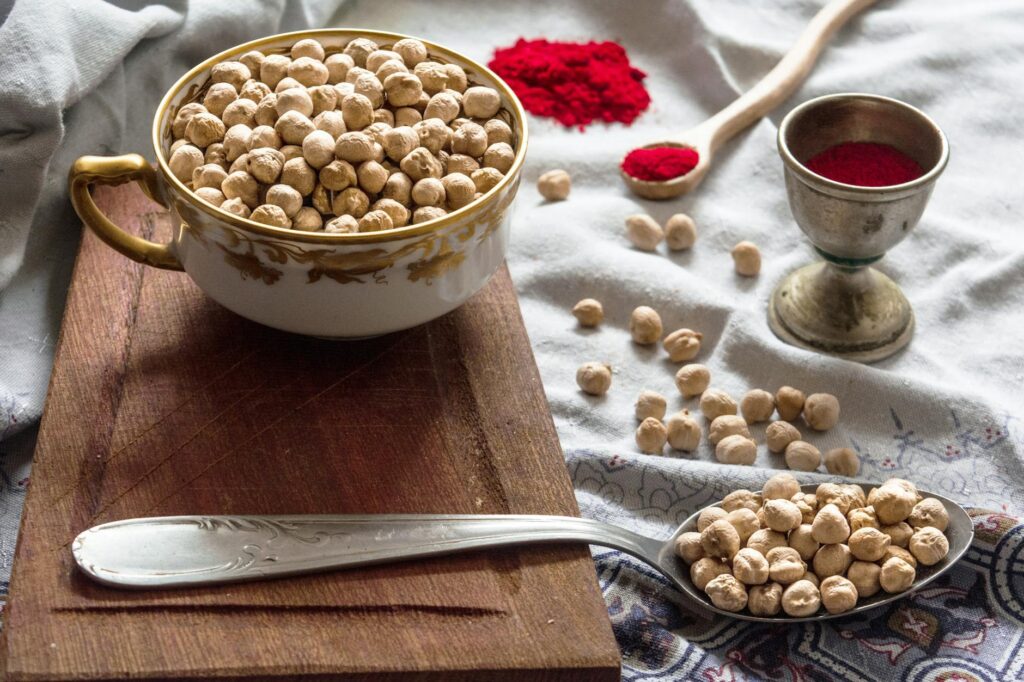
Is Chickpea Flour Farming Profitable?
Introduction
Chickpea flour, also known as gram flour or besan, is an increasingly popular ingredient in global cuisines, particularly in South Asian, Middle Eastern, and Mediterranean dishes. As the demand for alternative flours rises due to dietary preferences and health trends, farmers and agricultural entrepreneurs are considering the profitability of growing chickpeas for flour production. This article examines various aspects of chickpea cultivation, from its history and origins to its market potential, offering a comprehensive understanding of whether chickpea flour farming is a lucrative venture.
What Is Growing?
In the context of chickpea flour, “growing” refers to the cultivation of chickpeas (Cicer arietinum), the leguminous plant from which the flour is derived. Chickpeas are known for their high protein content, nutritional value, and versatility, making them a desirable crop. The growing process involves several stages, including land preparation, sowing, irrigation, pest management, and harvesting. Each stage requires specific knowledge and techniques to ensure a successful yield.
History and Origins
Chickpeas have a rich history that dates back over 7,000 years. They are believed to have originated in the Middle East, with evidence of their cultivation found in ancient Mesopotamia. Historical texts and archaeological findings suggest that chickpeas were a staple food in ancient civilizations, including the Romans and Greeks, who valued them for their nutritious qualities. Over the centuries, chickpeas spread across the globe, adapting to various climates and agricultural practices.
In modern times, chickpeas are cultivated in numerous countries, with India being the largest producer, followed by countries like Turkey, Pakistan, and Australia. The rise of vegetarianism and veganism, along with a growing interest in gluten-free diets, has further amplified the significance of chickpeas as a key crop.
Production and Processing
The production of chickpeas involves several critical steps, starting with selecting suitable varieties for specific climatic conditions. Common varieties include Desi and Kabuli, each with unique characteristics that influence their use in flour production.
Cultivation Techniques
Successful chickpea farming requires knowledge of soil health, irrigation methods, and pest management. Chickpeas thrive in well-drained soil with a pH between 6.0 and 7.0. They are typically planted in the spring and require moderate watering, as they are drought-resistant once established. Crop rotation is also essential, as it helps maintain soil fertility and reduces pest and disease risks.
Harvesting and Processing
Harvesting occurs when the chickpea pods turn brown and dry out. Farmers often use mechanical harvesters to ensure efficiency. Post-harvest processing involves cleaning and drying the chickpeas before milling them into flour. The milling process must be carefully controlled to achieve the desired texture and quality of flour.
The quality of chickpea flour is influenced by various factors, including the variety of chickpeas used and the milling technique employed. Fine flour is ideal for baking and cooking, while coarser flour may be suitable for specific applications, such as thickening agents.
Quality and Grading
Quality control is vital in the chickpea flour industry. Grading is based on several parameters, including color, texture, and moisture content. High-quality chickpea flour should be free from contaminants and have a uniform particle size. Producers often employ standardized grading systems to ensure consistency, which is crucial for maintaining consumer trust and market integrity.
In addition to visual inspection, chemical analyses may be conducted to assess the nutritional profile of the flour, including protein, fiber, and fat content. These factors play a significant role in determining market value and consumer preferences.
Buying Considerations
For farmers and entrepreneurs looking to enter the chickpea flour market, several factors should be taken into account:
Market Demand
Understanding the target market is essential. With the rise in plant-based diets and gluten-free options, the demand for chickpea flour is on the rise. Conducting market research to identify local and international trends can provide insights into potential profitability.
Sourcing Quality Seeds
Choosing the right seed variety is crucial for achieving a good yield. Farmers should seek out reputable suppliers who can provide quality seeds adapted to their local climatic conditions.
Investment in Equipment
Investments in farming equipment, including planters, irrigation systems, and milling machinery, can significantly affect productivity and profitability. Assessing the cost of equipment versus expected yield is a critical financial consideration.
Distribution Channels
Establishing efficient distribution channels is vital for market access. Farmers may consider partnerships with local grocery stores, restaurants, or online platforms to sell their products directly to consumers.
Uses and Applications
Chickpea flour has a diverse range of uses across various culinary applications. In South Asian cuisine, it is often used to make popular dishes like pakoras and dhokla. In Mediterranean cuisine, it serves as a base for falafel and as a thickening agent in various sauces.
The growing interest in gluten-free diets has also led to an increase in the use of chickpea flour as a substitute for wheat flour in baking and cooking. Furthermore, its nutritional profile, rich in protein and fiber, makes it a favored choice among health-conscious consumers.
Storage and Shelf Life
Proper storage is essential for maintaining the quality of chickpea flour. It should be stored in a cool, dry place, preferably in airtight containers, to prevent moisture absorption and spoilage. When stored correctly, chickpea flour can have a shelf life of up to one year. However, exposure to heat and humidity can reduce its usability significantly.
Signs of Spoilage
Farmers and consumers should be aware of signs of spoilage, including off odors, discoloration, or the presence of pests. Regularly checking storage conditions can help ensure that the flour remains fresh and safe for consumption.
Common Misconceptions
Despite its popularity, there are several misconceptions surrounding chickpea flour and its cultivation:
1. Chickpea Flour Is Just for