
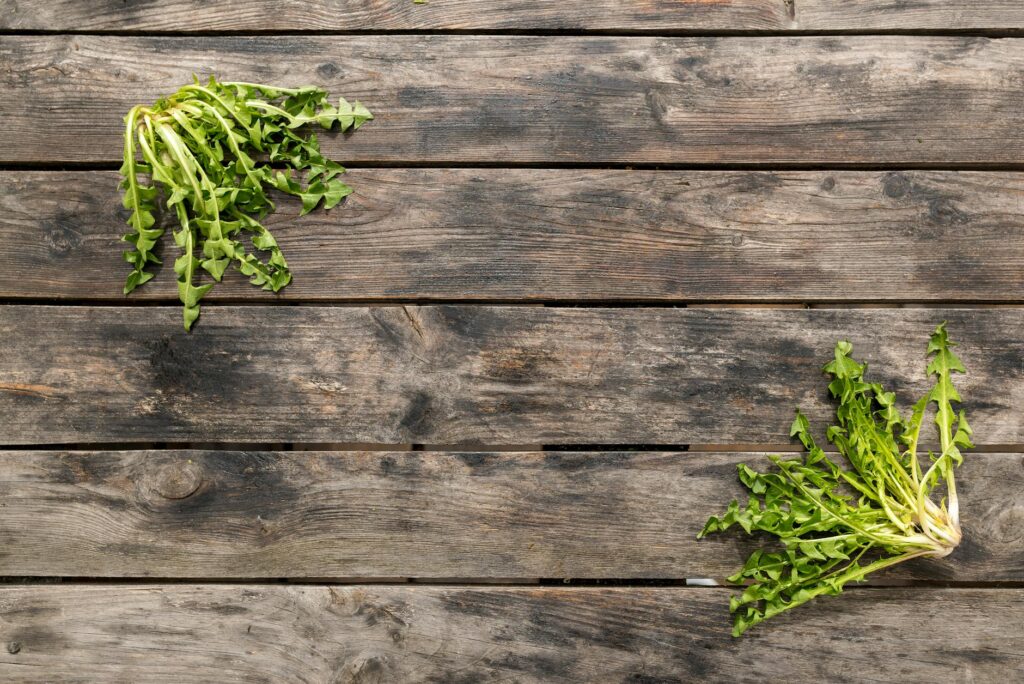
Is Dandelion Greens Farming Profitable?
Introduction
Dandelion greens, often regarded as a humble weed, have gained recognition as a nutrient-rich culinary ingredient and a sustainable crop. Their rising popularity among health-conscious consumers and chefs alike has prompted many to consider dandelion greens farming as a viable business venture. This article delves into the profitability of growing dandelion greens, exploring various aspects such as history, production, quality, and market potential.
What Is Growing?
In the agricultural context, “growing” refers to the cultivation of plants for food, fiber, or other uses. It encompasses a variety of practices, from planting seeds to harvesting mature crops. For dandelion greens, growing involves understanding the plant’s requirements for soil, sunlight, water, and nutrients. Successful cultivation not only hinges on agricultural techniques but also on market demand and economic viability.
History and Origins
The dandelion (Taraxacum officinale) is native to Europe and Asia, with its use dating back to ancient times. Historically, the plant was valued not only for its culinary applications but also for its medicinal properties. Early European settlers brought dandelions to North America, where they thrived in various climates. Over time, the greens became a staple in traditional diets, particularly in spring when they are among the first greens available after winter.
In recent years, the perception of dandelion greens has shifted from that of a weed to a sought-after ingredient in gourmet cuisine. This resurgence in popularity can be attributed to the growing trend toward foraging and the appreciation for local, seasonal produce. As a result, dandelion greens farming is being recognized for its potential profitability.
Production and Processing
Cultivation Practices
Dandelion greens can be cultivated in various environments, from small home gardens to large commercial farms. They thrive in well-drained, fertile soil with a pH between 6.0 and 7.0. Planting can occur in early spring or late summer, depending on the desired harvest period. While dandelions are hardy and can grow in a range of conditions, proper care can enhance yield and quality.
Growing Techniques
1. Soil Preparation: Prior to planting, soil should be tilled and enriched with organic matter to improve fertility. Raised beds can also facilitate drainage and accessibility.
2. Seeding: Dandelion seeds can be sown directly into the ground or started indoors and transplanted later. A spacing of 12 to 18 inches between plants allows for adequate growth.
3. Watering: Regular watering is essential, especially during dry spells. However, overwatering can lead to root rot, so balance is key.
4. Weed and Pest Management: While dandelions are resilient, they can be affected by pests such as aphids and snails. Implementing organic pest management strategies, including companion planting, can minimize risks.
Harvesting
Dandelion greens can be harvested approximately 8 to 12 weeks after planting. The optimal time for harvesting is in the spring when the leaves are young and tender. Harvesting should be done early in the morning to preserve the greens’ freshness and flavor. Careful handling is crucial to avoid bruising, which can affect quality.
Quality and Grading
Quality Criteria
Quality dandelion greens are characterized by their vibrant green color, tender texture, and robust flavor. Factors influencing quality include:
- Size: Smaller leaves are generally more flavorful and tender compared to larger, older leaves.
- Color: A deep green hue indicates high chlorophyll content, which is a marker of freshness and nutritional value.
- Texture: Leaves should be crisp and free from blemishes or signs of wilting.
- Salads: Their slightly bitter flavor adds depth to mixed greens.
- Sautéed Dishes: Cooking dandelion greens can mellow their bitterness and enhance their flavor, making them suitable for stir-fries and sautés.
- Pesto: Blending dandelion greens with nuts and oils creates a unique twist on traditional pesto.
- Juices and Smoothies: Their nutritional profile makes them an excellent addition to health-focused beverages.
- Refrigeration: Place dandelion greens in a plastic bag or container to retain moisture while preventing excess humidity.
- Avoid Washing: Wash only before consumption
Grading
Dandelion greens can be graded based on size, appearance, and overall quality. Higher-grade greens command better prices in the market. Establishing a grading system allows producers to cater to different market segments, including restaurants, grocery stores, and farmer’s markets.
Buying Considerations
When purchasing dandelion greens, whether for personal use or for resale, several factors should be considered:
1. Source: Buying from local farmers or reputable suppliers ensures freshness and supports sustainable practices.
2. Seasonality: Dandelion greens are best when in season, typically from early spring to early summer. Out-of-season greens may be available but are often of lower quality.
3. Organic Certification: Organic dandelion greens may fetch a premium price due to the growing consumer preference for organic produce.
4. Packaging: Look for greens that are well-packaged to prevent bruising and wilting, ensuring they remain fresh until consumption.
Uses and Applications
Dandelion greens are versatile in the culinary world. They can be used in various applications, such as:
Beyond culinary uses, dandelion greens can also be utilized in the cosmetic industry, particularly in skincare products, due to their antioxidant properties.
Storage and Shelf Life
Dandelion greens are best consumed fresh, but proper storage can extend their shelf life. When refrigerated, they can last for about 3 to 5 days. Here are some tips for storing: