
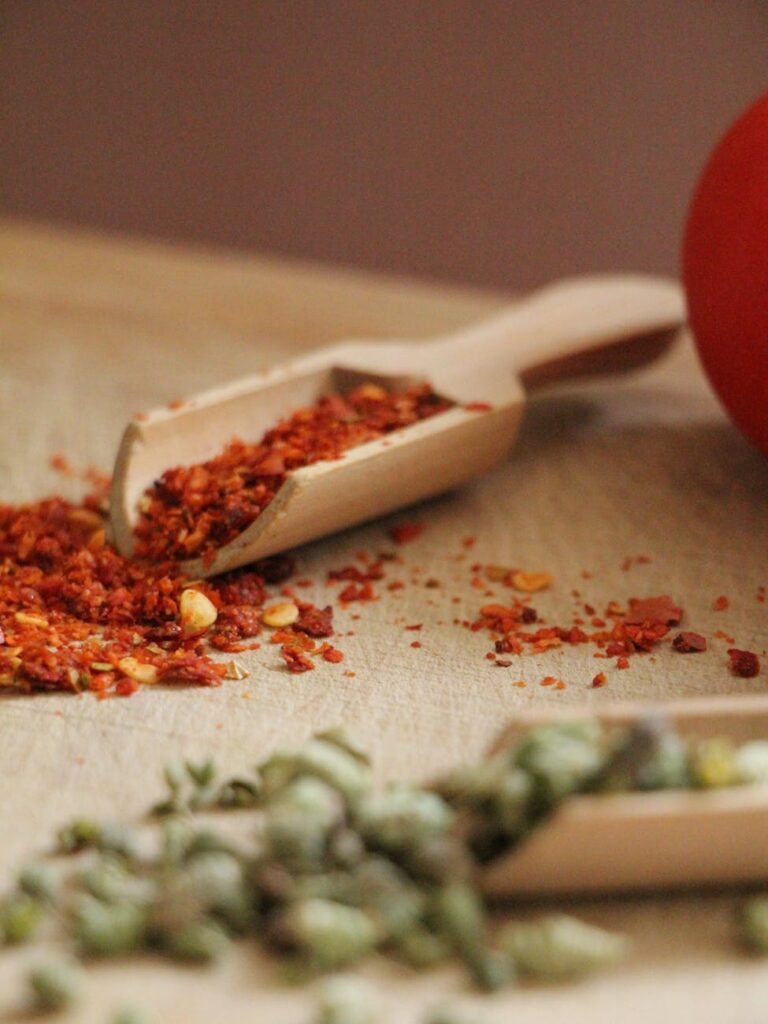
Is Dulse Farming Profitable?
Introduction
As the demand for sustainable and nutritious food sources continues to rise, dulse (Palmaria palmata) emerges as a fascinating candidate for aquaculture and farming. This red seaweed, commonly found along the Atlantic coasts of North America and Europe, has captured the attention of chefs, health enthusiasts, and environmentalists alike. The question of profitability in dulse farming is multifaceted, encompassing aspects of cultivation, processing, market demand, and economic viability. This article delves into the potential of dulse farming, examining its history, production methods, quality standards, and market applications.
What Is Growing?
In the context of dulse, “growing” refers to the cultivation of this marine alga in its natural habitat or through aquaculture practices. Dulse thrives in intertidal zones and can be found attached to rocks and other substrates in coastal waters. The cultivation process can be either wild-harvesting or farming, where the seaweed is deliberately grown in controlled environments.
Dulse is a highly adaptive species, flourishing in nutrient-rich waters with good light exposure. Its growth cycle is relatively fast, typically reaching maturity within 30 to 90 days, depending on environmental conditions such as temperature, salinity, and light availability.
History and Origins
Dulse has a rich history, dating back centuries as a traditional food source among coastal communities in Ireland, Scotland, and parts of North America. Historically, it was gathered by hand, dried, and consumed as a snack or ingredient in various dishes. The indigenous peoples of the Atlantic regions were known to utilize dulse for its nutritional value and flavor.
In recent decades, dulse has gained recognition beyond these traditional uses, particularly in the culinary and health food sectors. As the global market for seaweed continues to expand, dulse farming has emerged as a viable agricultural practice, blending ancient techniques with modern aquaculture innovations.
Production and Processing
The production of dulse involves careful planning and management to ensure a sustainable yield. There are two primary methods of cultivation: wild harvesting and controlled farming.
Wild Harvesting
Wild harvesting is practiced in areas where dulse naturally grows. Harvesters typically gather dulse during low tide, ensuring that the collection does not deplete the local population. Sustainable practices, such as allowing certain areas to regenerate before harvesting again, are critical to maintaining healthy ecosystems and ensuring long-term viability.
Controlled Farming
Controlled farming involves cultivating dulse in designated areas, often using ropes or nets to grow the seaweed. This method allows for better management of growth conditions and can lead to higher yields. Farms can be established in shallow waters, where sunlight and nutrient flow can be optimized.
Processing
Once harvested, dulse undergoes processing to prepare it for consumption or sale. This may involve washing, drying, and packaging. The drying process is crucial, as it preserves the seaweed and concentrates its flavor. Various methods, including air drying and dehydrating, can be employed depending on the desired end product.
Quality and Grading
The quality of dulse is determined by several factors, including its color, texture, and flavor profile. High-quality dulse should have a vibrant reddish-purple hue, a firm but tender texture, and a clean, oceanic taste.
Grading standards can vary by region and market, but common classifications include:
- Premium Quality: Bright color, fresh aroma, and intact leaves.
- Standard Quality: Good color, slight imperfections, and a pleasant taste.
- Low Quality: Dull color, excessive breakage, and off-flavors.
- Snacks: Dulse can be eaten raw or dried as a nutritious snack.
- Seasoning: Ground dulse adds a unique umami flavor to soups, salads, and sauces.
- Garnish: Fresh dulse can be used as a garnish for seafood dishes, enhancing both presentation and flavor.
- Functional Food: Due to its high nutrient density, dulse is often marketed as a superfood, rich in vitamins and minerals.
Understanding these grading standards can help farmers and processors achieve the best market value for their products.
Buying Considerations
When purchasing dulse, whether for personal use or commercial purposes, several factors should be considered:
1. Source: Opt for dulse that is sustainably harvested or farmed, ensuring minimal environmental impact.
2. Quality: Look for vibrant color and fresh aroma to gauge quality.
3. Processing: Consider how the dulse has been processed, as this can affect flavor and shelf life.
4. Certifications: Seek out products with certifications indicating organic or sustainable practices.
By paying attention to these factors, buyers can make informed choices that support both their health and the environment.
Uses and Applications
Dulse has a wide range of culinary applications, making it an attractive ingredient for both home cooks and professional chefs. It can be enjoyed in various forms, including:
In addition to culinary uses, dulse is increasingly being explored for its potential in cosmetics, pharmaceuticals, and as a natural fertilizer, highlighting its versatility and economic potential.
Storage and Shelf Life
Proper storage of dulse is essential to maintaining its quality and extending its shelf life. Dried dulse should be kept in a cool, dry place, preferably in an airtight container to minimize moisture exposure. When stored correctly, dried dulse can last for up to two years.
Fresh dulse, on the other hand, has a much shorter shelf life and should be consumed within a few days of harvesting. If not used immediately, fresh dulse can be stored in the refrigerator for a limited time.
Freezing
Freezing is another option for extending the life of fresh dulse. When properly blanched and frozen, it can retain its flavor and nutritional value for several months.