
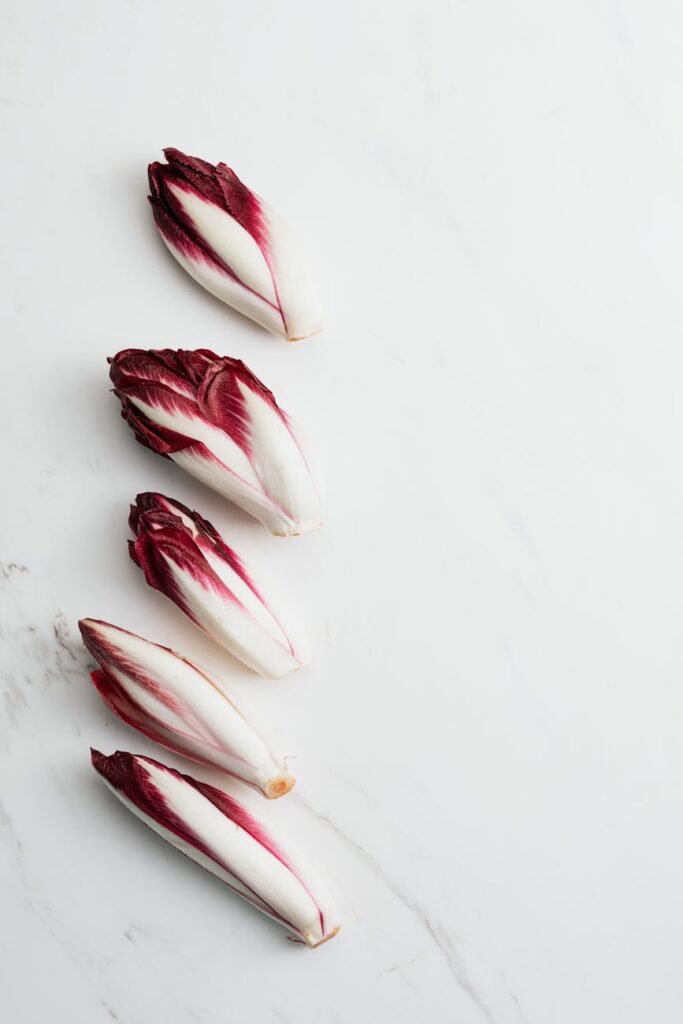
Is Endive Farming Profitable?
Introduction
Endive, a leafy vegetable belonging to the chicory family, has gained popularity in culinary circles for its slightly bitter flavor and crisp texture. Often enjoyed in salads, as a garnish, or even cooked, endive provides a unique flavor profile that appeals to a diverse range of palates. As consumer interest in healthy eating continues to rise, many farmers are considering the profitability of endive farming. This article delves into various aspects of growing endive, examining its history, production processes, quality standards, and market potential.
What Is Growing?
Growing refers to the cultivation and care of plants, particularly in the context of agriculture. It encompasses various practices such as soil preparation, planting, irrigating, fertilizing, pest management, and harvesting. For endive, specific cultivation techniques are required to ensure optimal growth and yield. Endive is sensitive to temperature and light conditions, making it vital for farmers to understand the nuances of its growth cycle.
History and Origins
Endive’s history can be traced back to ancient Egypt, where it was cultivated for its culinary and medicinal properties. The Greeks and Romans later adopted it, appreciating its unique flavor and versatility. The modern varieties of endive that we know today, including Belgian endive and curly endive, have evolved over centuries through selective breeding.
Belgian endive, developed in the early 19th century in Belgium, is particularly renowned for its pale color and tightly packed leaves, achieved through a process called blanching. Curly endive, on the other hand, is characterized by its frilly edges and is often used in salads for added texture. As global culinary interests expand, endive has found a place not only in European cuisines but also in Asian and American dishes, further solidifying its status as a valuable crop.
Production and Processing
Cultivation Techniques
Endive thrives in well-drained, fertile soil with a pH level between 6.0 and 7.0. The growing season varies by region but is typically initiated in the spring. Farmers often sow seeds in rows, ensuring adequate spacing to promote healthy growth. The plants require consistent moisture and benefit from controlled irrigation, especially during dry spells.
Once the plants reach maturity, they are typically harvested in late summer to early fall. The leaves are cut close to the root to encourage regrowth for subsequent harvests. After harvesting, the endive undergoes a blanching process to enhance its flavor and appearance. This involves covering the plants with soil or dark cloth to prevent exposure to light, which helps maintain the vegetable’s pale color.
Processing
Post-harvest, endive undergoes several stages of processing. It is carefully washed to remove any soil and contaminants, followed by sorting and grading based on size and quality. The final step often involves packaging for distribution, ensuring that the endive retains its freshness and visual appeal during transport.
Quality and Grading
Quality is paramount in the endive market. Various grading standards exist, typically categorizing endive based on size, color, and leaf integrity. The grading process is crucial for both producers and consumers, as it directly affects pricing and marketability.
Grading Standards
1. U.S. Grade No. 1: This grade requires endive to be well-formed, with tightly packed leaves that are free from blemishes or discoloration.
2. U.S. Grade No. 2: This grade allows for minor imperfections, such as slight discoloration or small blemishes, but the overall quality should remain acceptable.
Farmers who adhere to these grading standards can command higher prices in the market, making quality control an essential aspect of endive farming.
Buying Considerations
When purchasing endive, several factors should be taken into account:
- Freshness: Look for crisp, firm leaves without any signs of wilting or browning. Fresh endive should have a bright color and a pleasant aroma.
- Seasonality: Endive is typically available year-round, but peak seasons may yield better quality and lower prices. Knowing the season can help consumers make informed purchasing decisions.
- Source: Consider buying from local farmers or trusted suppliers who prioritize organic and sustainable growing practices. This not only supports local agriculture but often results in fresher produce.
- Raw Preparations: Endive leaves can be used as a base for appetizers or salads, providing a crunchy texture and a slightly bitter contrast to sweeter ingredients.
- Cooked Dishes: Endive can be sautéed, braised, or grilled, drawing out its natural sweetness and softening its texture. It pairs well with various proteins and can be used in soups and stews.
- Temperature: Endive should be kept in the crisper drawer of the refrigerator, ideally at temperatures between 32°F to 36°F (0°C to 2°C).
- Humidity: A slightly humid environment helps prevent wilting. Placing a damp paper towel in the storage bag can help maintain moisture levels.
- Separation: Keep endive away from ethylene-producing fruits, such as apples and bananas, which can cause premature ripening.
Uses and Applications
Endive is a versatile ingredient with numerous culinary applications. Its distinct flavor makes it an excellent addition to salads, where it can be combined with other greens, nuts, and fruits for a balanced dish.
Culinary Applications
Storage and Shelf Life
Proper storage is critical for maintaining the quality and freshness of endive. When stored correctly, endive can last up to two weeks in the refrigerator.
Storage Tips
Common Misconceptions
Despite its popularity, several misconceptions surrounding endive persist.
Misconception 1: Endive Is a Single Type of Vegetable
Many believe that endive refers to only one type of vegetable, whereas it actually encompasses