
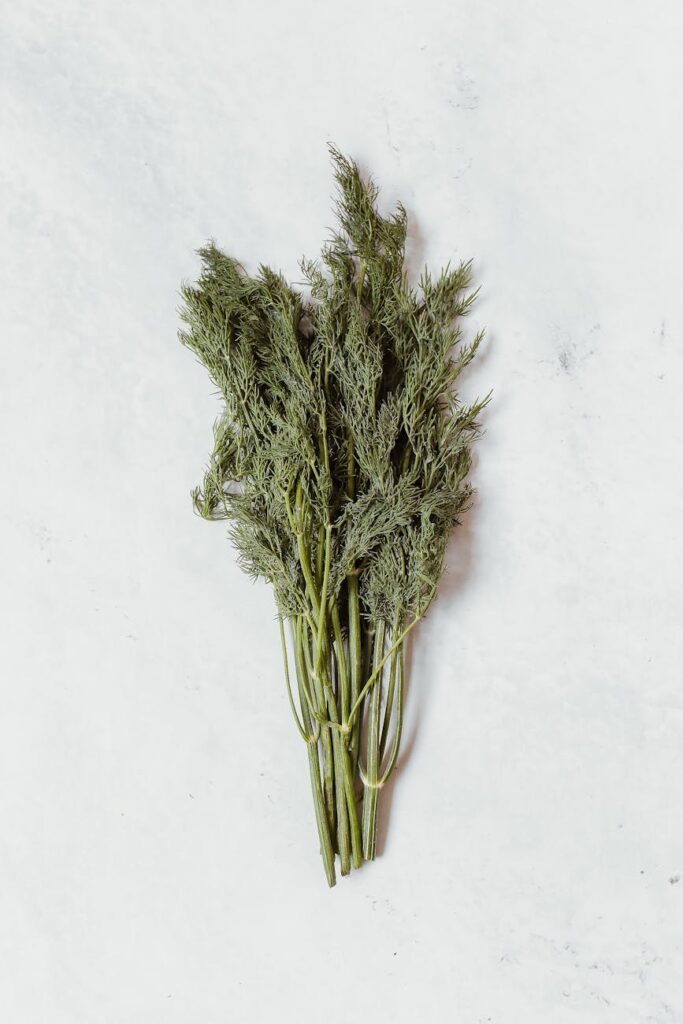
Is Fennel Fronds Farming Profitable?
Introduction
Fennel (Foeniculum vulgare) is a versatile herb renowned for its distinct anise-like flavor, used widely in culinary applications across various cultures. While the bulb and seeds are well-known components, fennel fronds—the feathery green tops of the plant—are often overlooked yet hold significant culinary and commercial value. This article explores the profitability of fennel fronds farming, examining aspects from historical origins to production processes, quality measures, and market potential.
What Is Growing?
Growing, in the context of fennel fronds, refers to the cultivation practices involved in fostering fennel plants to produce their green, aromatic tops. Fennel is a biennial herb, typically grown as an annual for its fronds. Successful growing requires understanding the plant’s specific needs regarding soil type, climate, and care to maximize yield and quality.
Key Growing Conditions
Fennel thrives in well-drained, fertile soil with a pH of 6.0 to 7.0. It prefers full sun and moderate watering, making it suitable for temperate climates. Farmers often sow seeds directly into the soil in the spring or fall, depending on the growing season in their region. Proper spacing ensures that the plants receive adequate light and air circulation, crucial for preventing diseases.
History and Origins
Fennel is native to the Mediterranean region and has been cultivated since ancient times for its culinary and medicinal properties. Historical texts from the Romans and Greeks highlight its significance, as it was used not only in cooking but also in rituals and traditional practices. Over the centuries, fennel spread to various parts of the world, adapting to different climates and becoming a staple in many cuisines. The fronds, once considered a byproduct, are now recognized for their flavor and aesthetic appeal, leading to increased interest in their cultivation.
Production and Processing
The production of fennel fronds involves careful planning and execution from planting to harvest. Farmers typically follow these steps:
Cultivation
1. Soil Preparation: The soil should be tilled and enriched with organic matter to enhance nutrient availability.
2. Sowing: Seeds should be sown about 1/4 inch deep, with rows spaced adequately for growth.
3. Watering and Fertilization: Regular watering is vital, especially during dry spells. Organic fertilizers can be applied to boost growth.
4. Weed and Pest Management: Integrated pest management (IPM) strategies are often employed to minimize chemical use, focusing on biological controls and organic methods.
Harvesting
Fennel fronds are typically harvested about 3 to 4 months after sowing, once the plants reach an adequate height. The fronds are cut above the bulb to encourage further growth, allowing for multiple harvests from a single planting.
Processing
After harvesting, fennel fronds are usually washed, sorted, and packaged for sale. The processing may vary depending on whether they are sold fresh or dried, with fresh fronds requiring refrigeration to maintain quality.
Quality and Grading
Quality control is essential in fennel fronds farming. Factors influencing quality include:
- Color: Bright green fronds indicate freshness.
- Texture: Fronds should be crisp and not wilted.
- Aroma: A strong anise scent signifies healthy plants.
- Freshness: Look for vibrant, crisp fronds. Freshness is key to flavor and shelf life.
- Source: Preferably buy from local farmers or organic suppliers to ensure quality and support sustainable practices.
- Storage Conditions: Ensure that the fronds have been stored properly, ideally at low temperatures to maintain their freshness.
- Garnishing: Their feathery appearance makes them an attractive garnish for various dishes.
- Flavoring: The fronds can be used to infuse oils or salads, enhancing the flavor profile.
- Herbal Tea: Dried fronds can be brewed into herbal teas, capitalizing on their aromatic qualities.
- Only for Garnishing: While they are often used as a garnish, their culinary versatility allows for a range of applications.
- Bitter Flavor: Some believe fennel fronds are bitter, but when fresh, they possess a mild, pleasant taste.
- Limited Availability: While they may be less common than bulbs or seeds, fennel fronds are increasingly available in supermarkets and farmers’ markets.
Grading typically categorizes the fronds into different classes based on these factors, with higher grades fetching premium prices in the market.
Buying Considerations
When purchasing fennel fronds, whether for personal use or commercial resale, several considerations come into play:
Uses and Applications
Fennel fronds serve a variety of culinary purposes:
Beyond culinary uses, fennel fronds are also finding applications in the beverage industry, particularly in craft cocktails, where their unique flavor can elevate drinks.
Storage and Shelf Life
Proper storage is crucial to prolonging the shelf life of fennel fronds. Fresh fronds should be stored in a refrigerator, ideally wrapped in a damp paper towel and placed in a plastic bag to maintain moisture. Under optimal conditions, they can last up to a week.
For dried fennel fronds, storage in airtight containers in a cool, dark place can extend shelf life significantly, often up to a year without significant loss of flavor.
Common Misconceptions
Despite their popularity, several misconceptions about fennel fronds persist:
Frequently Asked Questions
1. How long does it take to grow fennel fronds?
Fennel fronds typically take about 3 to 4 months to grow from seed to harvestable size.
2. Can fennel fronds be grown in containers?
Yes, fennel can be successfully grown