
Is Fiddlehead Ferns Farming Profitable?
Introduction
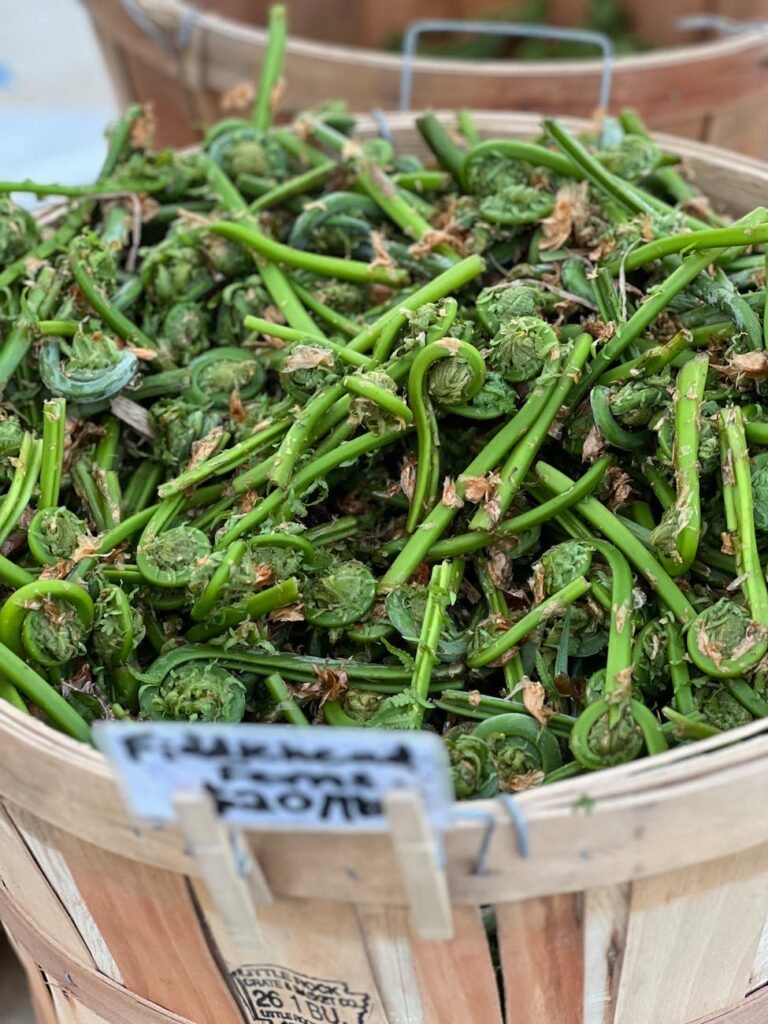
Fiddlehead ferns, the young, coiled fronds of certain fern species, have gained considerable attention in culinary circles due to their unique flavor and texture. Often considered a delicacy in various cuisines, these ferns are not only a treat for the palate but also present intriguing opportunities for agricultural entrepreneurship. This article delves into the viability of farming fiddlehead ferns, examining the various facets of their cultivation, market potential, and overall profitability.
What Is Growing?
Growing refers to the agricultural practices involved in cultivating plants for consumption, ornamental purposes, or other applications. In the context of fiddlehead ferns, growing encompasses several key components, including site selection, soil preparation, planting methods, and care throughout the growing season. Fiddlehead ferns are typically harvested in the wild; however, controlled cultivation offers farmers a chance to better manage supply and quality, thereby potentially increasing profitability.
History and Origins
Fiddlehead ferns are primarily harvested from several species, most notably the ostrich fern (Matteuccia struthiopteris). Native to North America and parts of Asia, these ferns have a long history of use among Indigenous peoples, who recognized their nutritional value and seasonal availability. Traditionally, fiddleheads were foraged in the wild during the early spring months, adding a seasonal element to their appeal.
In recent decades, interest in fiddlehead ferns has surged, driven by their unique flavor profile and health benefits. As culinary trends evolve, the demand for locally sourced, sustainable ingredients has increased, pushing farmers to explore the potential of cultivating these ferns commercially.
Production and Processing
Fiddlehead ferns are typically harvested in the wild during a brief window in spring, usually from late April to early June, depending on the climate. However, commercial production requires a more structured approach. Here are the key stages:
Site Selection
Fiddlehead ferns thrive in moist, shaded environments, often found in woodlands and along riverbanks. Selecting a site with well-draining, rich soil and adequate moisture is crucial for successful cultivation.
Soil Preparation
Soil testing is recommended to determine pH and nutrient levels. Fiddlehead ferns prefer slightly acidic to neutral soil (pH 6.0–7.0). Organic matter, such as compost or well-rotted manure, can be added to enrich the soil and promote healthy growth.
Planting
Transplanting fiddlehead ferns can be done by sourcing established plants from the wild or through nurseries. It’s essential to plant them in clusters to mimic their natural growth patterns. Spacing is vital; plants should be spaced about 18 inches apart to allow for adequate air circulation and growth.
Care and Maintenance
Regular watering is essential, especially during dry spells, as fiddlehead ferns require consistent moisture. Mulching can help retain soil moisture and suppress weeds. Fertilization should be minimal; too much nitrogen can lead to excessive foliage growth at the expense of fiddlehead production.
Harvesting
Fiddleheads are typically harvested when they are 6 to 10 inches tall and have not yet unfurled. Care must be taken to harvest only a portion of the crop, allowing the plants to continue growing for future seasons. Harvesting should be done with care to avoid damaging the crowns of the ferns.
Quality and Grading
The quality of fiddlehead ferns can significantly affect market value. Factors influencing quality include:
Appearance
Fresh fiddleheads should be tightly coiled, vibrant green, and free from browning or wilting. Discoloration or signs of decay can indicate poor quality.
Size
Larger fiddleheads are often preferred for culinary use, but uniformity in size is also important for presentation.
Aroma
Fresh fiddleheads should emit a pleasant, earthy aroma. Off-putting smells can indicate spoilage.
Grading
Fiddleheads can be graded as premium, choice, or standard, depending on the above factors. Premium-grade fiddleheads command the highest prices in the market.
Buying Considerations
For those interested in venturing into fiddlehead fern farming, several buying considerations come into play:
Market Demand
Assessing local and regional demand for fiddlehead ferns is crucial. Understanding consumer preferences can guide planting decisions and marketing strategies.
Distribution Channels
Establishing connections with local restaurants, farmers’ markets, and grocery stores can facilitate sales. Direct-to-consumer sales through online platforms can also expand market reach.
Seasonal Limitations
Fiddlehead ferns have a short harvesting window, making it essential to have a clear plan for sales during peak season. Consider diversifying product offerings with value-added products, such as pickled fiddleheads.
Competition
Researching existing producers and their practices can provide insights into market saturation and potential pricing strategies.
Uses and Applications
Fiddlehead ferns are celebrated for their culinary versatility. They can be:
- Sautéed: Often cooked briefly to maintain their crunch, they can be featured in stir-fries.
- Blanched and Frozen: A method of preservation for off-season sales.
- Pickled: For long-term storage and gourmet applications.
- Used in Salads: Providing a unique texture and flavor contrast.
- Incorporated into Soups and Stews: Adding depth to various dishes.
The increasing popularity of fiddlehead ferns in upscale restaurants and gourmet food markets enhances their marketability.
Storage and Shelf Life
Proper storage is vital to maintaining the quality of fiddlehead ferns post-harvest:
Short-Term Storage
Fresh fiddleheads should be stored in a cool, damp environment, ideally wrapped in a moist cloth or placed in a perforated plastic bag in the refrigerator. They can last up to one week under optimal conditions.
Long-Term Storage
For longer shelf life