
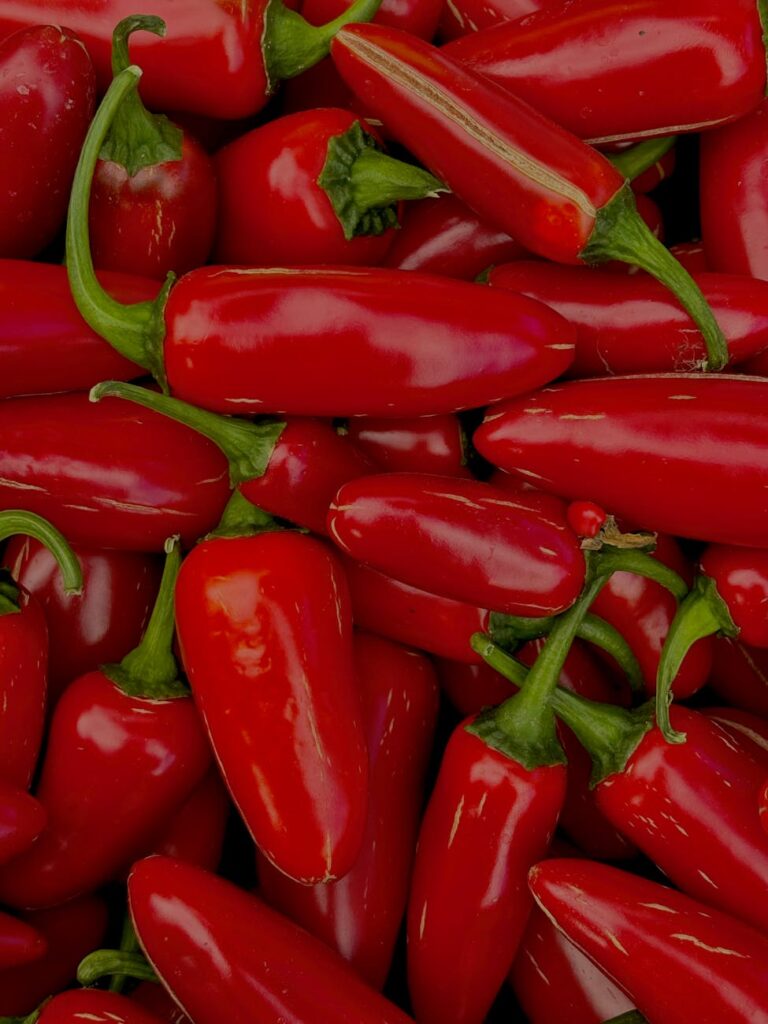
Is Jalapeño Farming Profitable?
Introduction
Jalapeños, with their vibrant green color and moderate heat, have become a staple in kitchens worldwide. Their unique flavor profile enhances a wide range of dishes, making them a sought-after ingredient in both home cooking and commercial food production. As the demand for fresh produce continues to rise, many farmers are considering jalapeño farming as a viable agricultural venture. This article explores the profitability of growing jalapeños by examining various aspects, including cultivation practices, market demand, and economic considerations.
What Is Growing?
In the context of agriculture, “growing” refers to the cultivation of plants for various purposes, including food production, ornamental value, or raw materials for other industries. Jalapeños belong to the Capsicum annuum species, which encompasses a variety of peppers. Growing jalapeños involves careful planning, knowledge of growing conditions, and management of various factors such as soil quality, climate, and pest control. Successful jalapeño farming requires an understanding of both the agricultural techniques involved in cultivation and the market dynamics that can affect profitability.
History and Origins
The jalapeño pepper has a rich history that traces back to its native roots in Mexico. The name “jalapeño” is derived from the city of Xalapa (Jalapa), the capital of Veracruz, where these peppers were first cultivated. Historical records suggest that jalapeños have been grown for thousands of years, with their use dating back to ancient Mesoamerican civilizations. Initially, they were consumed fresh, dried, or smoked, particularly in the form of chipotles.
Today, jalapeños are grown in various regions worldwide, with significant production occurring in the United States, particularly in Texas and California. The pepper’s adaptability to different climates and soils has contributed to its widespread popularity, making it a significant player in the global agricultural market.
Production and Processing
The production of jalapeños involves several stages, from planting to harvesting and processing. Successful cultivation requires a well-structured plan that includes selecting the right variety, managing soil health, and implementing effective pest control measures.
Planting
Jalapeños are typically grown from seeds and require warm temperatures for optimal germination. Farmers usually start seeds indoors and transplant them outdoors once the risk of frost has passed. The ideal soil conditions for jalapeños include well-drained, loamy soil enriched with organic matter. Regular watering is essential, especially during dry spells, to ensure healthy growth.
Harvesting
Harvesting jalapeños is a labor-intensive process, as the peppers must be picked by hand to avoid damage. The best time to harvest is when the peppers reach a mature green color and are firm to the touch. A well-timed harvest can significantly impact the flavor profile and marketability of the peppers.
Processing
Once harvested, jalapeños can be sold fresh or processed into various products, including sauces, salsas, and pickled peppers. The processing stage often involves washing, cutting, and packaging, which requires adherence to food safety standards. Value-added products can enhance profitability, as they allow farmers to tap into different market segments.
Quality and Grading
The quality of jalapeños is a crucial factor that affects their market value. Grading is typically based on size, color, firmness, and overall appearance. High-quality jalapeños are bright green, firm, and free from blemishes or signs of rot. Farmers can enhance the quality of their harvest by implementing best practices in cultivation, including proper irrigation, pest management, and timely harvesting.
Grading Standards
Various grading standards exist for jalapeños, with the U.S. Department of Agriculture (USDA) providing guidelines for quality assessment. Jalapeños are generally classified into three grades: U.S. No. 1, U.S. No. 2, and U.S. No. 3, with U.S. No. 1 representing the highest quality. Adhering to these standards can help farmers achieve better prices in the market.
Buying Considerations
Farmers considering jalapeño cultivation should evaluate several factors before investing in this crop. Understanding market trends, consumer preferences, and local growing conditions is essential for making informed decisions.
Market Demand
The demand for jalapeños has been steadily increasing, driven by their popularity in various cuisines, particularly in Mexican and Tex-Mex dishes. Additionally, the growing trend of spicy foods and the rising popularity of artisanal products have contributed to increased consumer interest in jalapeños. Market research can provide valuable insights into pricing trends and potential profitability.
Local Conditions
Farmers should assess their local growing conditions, including soil quality, climate, and water availability. Jalapeños thrive in warm climates with well-drained soil, making regions with these conditions ideal for cultivation. Conducting soil tests and consulting local agricultural extension services can help farmers determine the feasibility of growing jalapeños in their area.
Uses and Applications
Jalapeños have a wide range of culinary applications, making them a versatile ingredient in various cuisines. They can be used fresh, roasted, or pickled, and are popular in salsas, sauces, and as toppings for pizzas and sandwiches.
Culinary Versatility
The unique flavor of jalapeños adds depth to dishes, enhancing both taste and presentation. As a result, they are in high demand in restaurants, catering services, and food production facilities. Farmers can benefit from establishing relationships with local chefs and food producers to ensure a steady market for their harvest.
Storage and Shelf Life
Proper storage is essential to maintain the freshness and quality of jalapeños. Freshly harvested jalapeños typically have a shelf life of about one to two weeks when stored in a cool, dry place. Optimal storage conditions include refrigeration, which can extend their shelf life up to three weeks.
Post-Harvest Handling
Farmers should implement