
Is Nori Farming Profitable?
Introduction
Nori, a type of edible seaweed, serves as a cornerstone ingredient in various culinary traditions, particularly in Japanese cuisine. It is widely recognized for its use in sushi, salads, and garnishes, and has gained popularity around the globe due to its unique flavor and nutritional profile. As the demand for nori continues to rise, many are exploring the viability of nori farming as a profitable agricultural endeavor. This article delves into the intricacies of nori cultivation, the historical context, production processes, and the factors that contribute to its profitability, providing a comprehensive understanding of nori farming.
What Is Growing?
Growing refers to the cultivation process of nori, which involves several stages, from seed selection to harvesting. Nori is primarily cultivated in coastal waters, where optimal conditions for its growth can be found. The farming process typically utilizes nets or ropes submerged in seawater, where young nori spores attach and grow. The cultivation requires careful monitoring of environmental factors, including water temperature, salinity, and nutrient levels, to ensure a healthy yield.
The growing cycle for nori can vary, but it typically lasts between 30 to 60 days, depending on environmental conditions and the specific variety being cultivated. Farmers must also consider seasonal variations, as nori thrives best in cooler waters, particularly during the winter months in many regions. Understanding these factors is crucial for successful farming and maximizing profit.
History and Origins
Nori has a rich history that dates back centuries, primarily rooted in Asia. The earliest recorded use of nori can be traced back to Japan in the 8th century, where it was harvested from the wild. Initially, nori was consumed as a food source by coastal communities. Over time, the methods of harvesting and processing nori evolved, leading to more sustainable cultivation practices.
In the 20th century, advancements in aquaculture technology facilitated the transition from wild harvesting to farming nori. Japan remains a leader in nori production, but cultivation has spread to other countries, including South Korea, China, and the United States. As global interest in Japanese cuisine surged, nori farming began to attract attention as a viable agricultural option, leading to increased investments and research into best practices.
Production and Processing
The production of nori involves several stages, including cultivation, harvesting, and processing.
Cultivation
The initial stage of nori farming involves preparing the farming site, which includes selecting appropriate locations with clean, nutrient-rich waters. Farmers often use ropes or nets to cultivate the seaweed, allowing for optimal light exposure and water circulation. The cultivation process typically occurs in two phases: spawning and growth, where spores are introduced to the farming nets and allowed to grow into mature nori plants.
Harvesting
Harvesting occurs once the nori reaches its desired size. This is typically done by hand, where farmers carefully collect the seaweed to avoid damaging the delicate plants. The timing of the harvest is crucial, as nori is best harvested just before it reaches full maturity, ensuring optimal flavor and texture.
Processing
Once harvested, nori undergoes processing to transform it into the finished product. This involves washing, drying, and roasting the seaweed. The drying process is particularly important, as it not only preserves the nori but also enhances its flavor. After drying, nori sheets are graded based on quality and appearance, with higher-quality sheets being used for sushi and other premium applications.
Quality and Grading
Quality is a critical factor in the nori market, as it significantly influences pricing and demand. Nori is typically graded into different categories based on factors such as color, texture, and taste. The highest grades of nori are characterized by a vibrant green color, a smooth texture, and a rich umami flavor.
Lower grades may exhibit darker hues, rougher textures, or undesirable flavors, making them suitable for less premium applications, such as snacks or seasonings. Understanding the grading system is essential for farmers, as it directly impacts marketability and profitability.
Buying Considerations
When purchasing nori, several factors should be taken into account to ensure quality and freshness. Buyers should consider the following:
1. Grade: Higher-grade nori is preferable for sushi and high-end dishes, while lower grades can be used for cooking or as a garnish.
2. Origin: Nori from reputable regions, particularly Japan, is often preferred due to its established quality standards.
3. Processing Method: Look for nori that has been roasted at low temperatures to preserve flavor and nutritional content.
4. Packaging: Ensure that the nori is packaged in airtight containers to maintain freshness and prevent moisture absorption.
5. Sustainability: Consider purchasing from farms that practice sustainable aquaculture methods, as this contributes to the long-term viability of nori farming.
Uses and Applications
Nori has a multitude of culinary uses beyond its traditional role in sushi. It can be used as a:
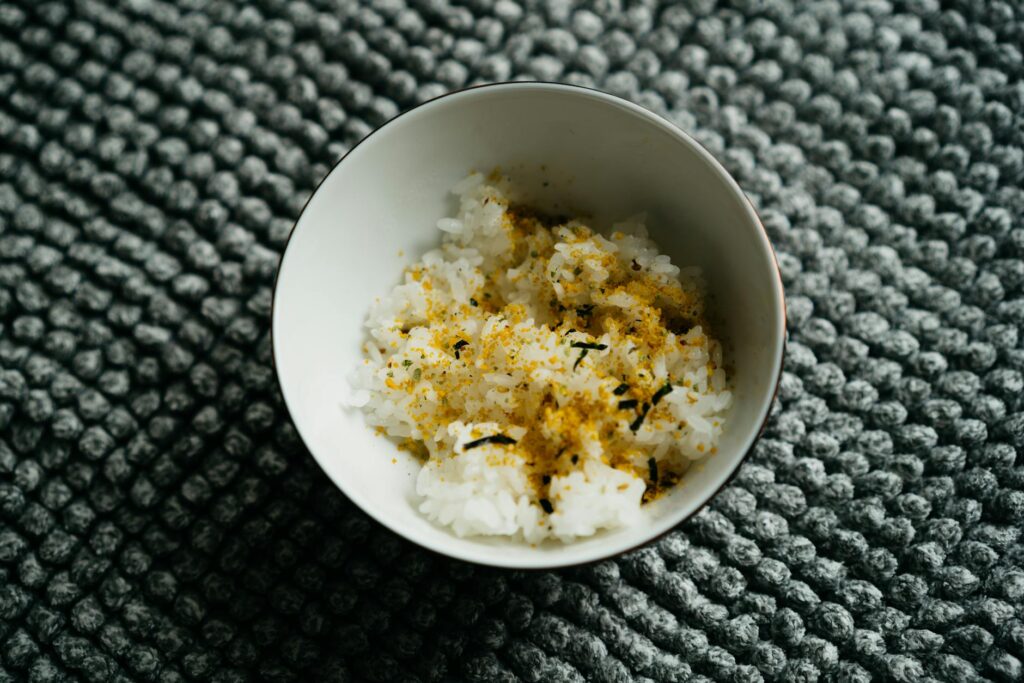
- Garnish: Dried nori flakes can enhance the flavor of soups, salads, and rice dishes.
- Snack: Roasted nori sheets can be enjoyed as a healthy snack, often flavored with sesame or wasabi.
- Ingredient: Nori can be incorporated into various dishes, including pasta, rice bowls, and even smoothies for added flavor and nutrients.
The versatility of nori makes it an attractive ingredient for chefs and home cooks alike, further bolstering its market demand.
Storage and Shelf Life
Proper storage is essential for maintaining the quality of nori. Unopened nori can be stored in a cool, dry place away from direct sunlight, typically retaining its quality for up to a year. Once opened, it should be kept in an airtight container to prevent moisture exposure, which can lead to spoilage.
For optimal freshness, using nori within