
Is Nutritional Yeast Farming Profitable?
Introduction
Nutritional yeast has emerged as a staple in the kitchens of health-conscious individuals, vegans, and food enthusiasts alike. This deactivated form of yeast is renowned for its cheesy flavor, rich nutrient profile, and versatility, making it an attractive ingredient in a variety of dishes. With the increasing demand for plant-based foods and alternatives, many are exploring the potential of nutritional yeast farming as a profitable venture. This article will delve into various aspects of growing nutritional yeast, its historical context, production methods, and factors that could influence its profitability.
What Is Growing?
Growing, in the context of nutritional yeast, refers to the cultivation and fermentation of Saccharomyces cerevisiae, the yeast species used to produce this ingredient. Unlike other agricultural products, the process of growing nutritional yeast is not soil-based. Instead, it relies on controlled environmental conditions, including temperature, pH, and nutrient availability, to foster yeast growth. This method allows for high yields within a relatively short time frame, making it an appealing option for commercial production.
History and Origins
The origins of nutritional yeast can be traced back to the early 1900s when it was discovered that yeast could be a rich source of vitamins, particularly B-complex vitamins. Initially, it gained popularity as a supplement for those with nutritional deficiencies. Its adoption in mainstream diets, however, was largely driven by the rise of vegetarianism and veganism in the late 20th century. Nutritional yeast became synonymous with plant-based diets, offering a flavorful and nutritious alternative to dairy products. As consumer awareness of health and sustainability continues to grow, the market for nutritional yeast has expanded significantly, creating opportunities for new growers.
Production and Processing
The production of nutritional yeast involves several key steps: cultivation, harvesting, pasteurization, drying, and packaging.
1. Cultivation: The process begins with the inoculation of a nutrient-rich medium—typically a mixture of molasses, sugar, and various minerals—with Saccharomyces cerevisiae. The yeast is allowed to ferment under controlled conditions, often in large fermentation tanks.
2. Harvesting: Once the fermentation process is complete, the yeast mass is separated from the liquid medium. This is typically done through centrifugation.
3. Pasteurization: The harvested yeast is then pasteurized to deactivate it, ensuring that it no longer functions as a fermenting agent. This step is crucial for producing nutritional yeast, as it preserves the nutritional content while making the product safe for consumption.
4. Drying: After pasteurization, the yeast is dried to create the flaked or powdered forms commonly found in stores. The drying process must be carefully controlled to retain the flavor and nutritional properties.
5. Packaging: Finally, the nutritional yeast is packaged for distribution. It is essential to use moisture-proof packaging to extend shelf life and maintain quality.
Quality and Grading
Quality control is a critical aspect of nutritional yeast production. Several factors influence the quality and grading of nutritional yeast, including:
- Nutritional Content: High-quality nutritional yeast should contain a significant amount of protein, vitamins, and minerals. Manufacturers often provide nutritional information on packaging, allowing consumers to make informed choices.
- Flavor Profile: The taste of nutritional yeast can vary based on the production process and raw materials used. A well-balanced nutty and cheesy flavor is often indicative of high-quality product.
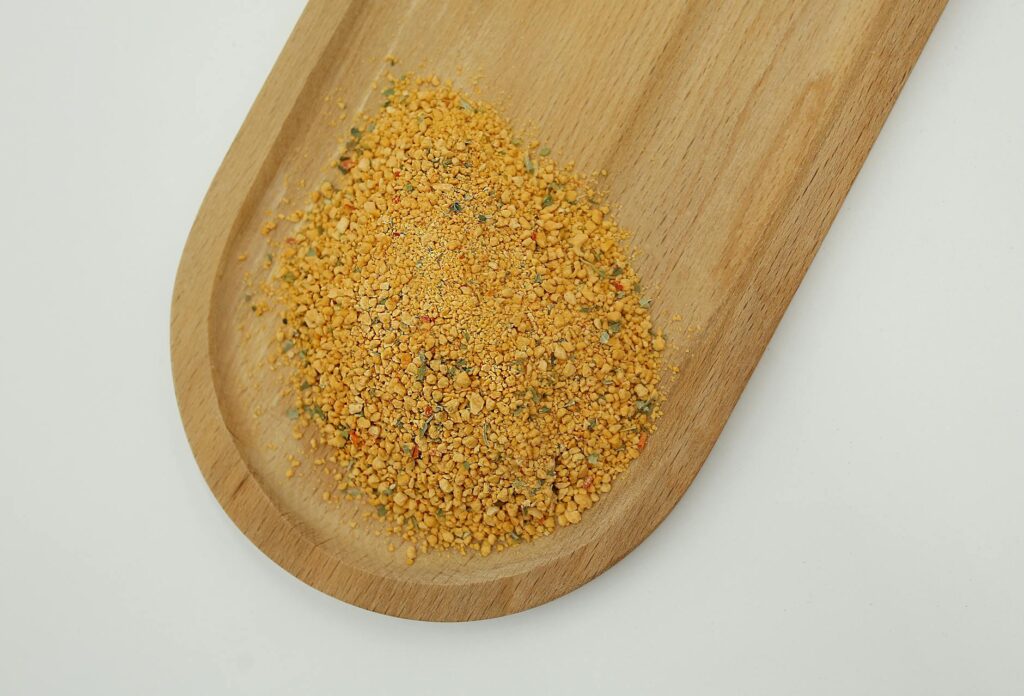
- Appearance: Nutritional yeast typically comes in the form of yellow flakes or powder. A uniform color and texture are signs of good processing practices.
- Certifications: Products that are certified organic or non-GMO may command a higher price, as they appeal to health-conscious consumers.
- Seasoning: Sprinkled on popcorn, salads, or pasta, nutritional yeast adds a savory umami flavor.
- Thickening Agent: It can be incorporated into sauces and soups to enhance texture and taste.
- Ingredient in Vegan Dishes: Nutritional yeast plays a crucial role in vegan cheeses and creamy sauces, providing a cheesy flavor without the use of dairy.
- Nutritional Supplement: Many consumers add it to smoothies or sprinkle it over dishes to boost nutritional content.
Buying Considerations
For individuals or businesses considering nutritional yeast farming, several factors should be taken into account:
1. Market Demand: Understanding local and global market trends is crucial. The rise in plant-based diets presents a significant opportunity, but competition is also increasing.
2. Production Costs: Initial setup costs, including equipment for fermentation and drying, can be substantial. It is important to conduct a thorough cost-benefit analysis.
3. Distribution Channels: Establishing reliable distribution channels is essential for reaching consumers. Direct sales, online platforms, and partnerships with health food stores can expand market reach.
4. Sustainability: With growing concerns about environmental impacts, sustainable practices can enhance the marketability of nutritional yeast. Utilizing eco-friendly materials and energy-efficient processes may attract a broader customer base.
5. Consumer Education: As nutritional yeast is still relatively niche, educating consumers about its benefits and uses can help drive sales.
Uses and Applications
Nutritional yeast is celebrated not only for its nutritional benefits but also for its versatility in culinary applications. It can be used as a flavor enhancer in a variety of dishes, including:
The diverse applications of nutritional yeast in both home cooking and commercial food production make it a valuable ingredient with consistent demand.
Storage and Shelf Life
Proper storage is essential to maintain the quality and shelf life of nutritional yeast. It should be kept in a cool, dry place, preferably in an airtight container. When stored correctly, nutritional yeast can last up to two years. However, exposure to moisture and heat can significantly shorten its shelf life, leading to a degradation of