
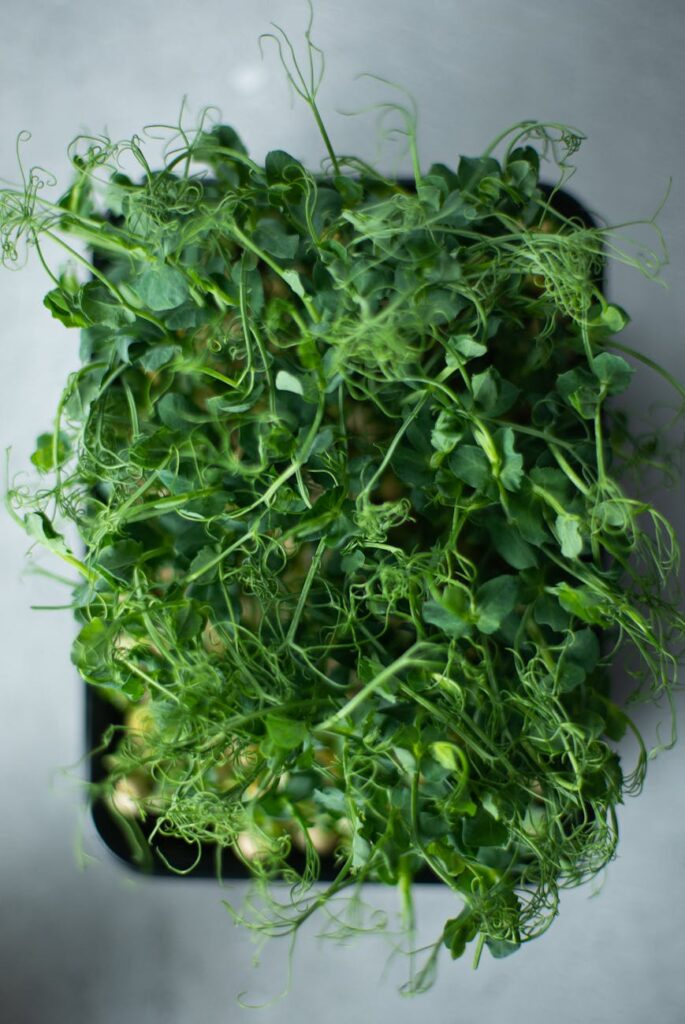
Is Pea Shoots Farming Profitable?
Introduction
Pea shoots, the tender young leaves and stems of the pea plant (Pisum sativum), have gained considerable attention in recent years due to their vibrant flavor, nutritional benefits, and versatile culinary uses. As the demand for fresh, locally sourced ingredients continues to rise, many aspiring farmers and small-scale agriculturalists are exploring the profitability of cultivating pea shoots. This article delves into the various aspects of growing pea shoots, examining their historical context, production methods, market potential, and more to provide a comprehensive overview of their viability as a farming enterprise.
What Is Growing?
Growing, in the context of agriculture, refers to the process of cultivating plants for food, fiber, or other products. It encompasses various stages, including planting, nurturing, harvesting, and processing, each requiring specific knowledge and techniques. When it comes to pea shoots, growing involves not only the selection of appropriate seeds and growing conditions but also an understanding of market trends and consumer preferences.
History and Origins
The cultivation of peas dates back thousands of years, with evidence suggesting that they were first grown in the Near East around 6000 BCE. As a staple crop, peas were integral to the diets of ancient civilizations, including the Greeks and Romans. The practice of consuming pea shoots is relatively modern, gaining popularity in Asian cuisine and later spreading to Western culinary practices.
The trend of using pea shoots as a fresh ingredient surged in the late 20th century, coinciding with the rise of microgreens and a growing interest in farm-to-table dining. Today, pea shoots are celebrated not only for their flavor profile but also for their nutritional density, making them a sought-after ingredient in salads, sandwiches, and garnishes.
Production and Processing
Cultivation Techniques
Pea shoots can be grown in various settings, from commercial greenhouses to small home gardens. They thrive in well-drained soil, preferably enriched with organic matter. The ideal temperature for germination is between 60°F and 70°F (15°C to 21°C), making them suitable for both spring and fall planting.
1. Seed Selection: Choose high-quality pea seeds designated for shoots, as these varieties tend to offer better flavor and yield.
2. Sowing: Seeds should be sown densely, about 1 to 2 inches apart, either in soil trays or directly in the ground. A light covering of soil is recommended.
3. Watering and Light: Regular watering is essential, but care must be taken to avoid waterlogging. Pea shoots require around 12 to 16 hours of light daily, which can be supplemented with grow lights in darker months.
4. Harvesting: Pea shoots are typically ready for harvest within two to three weeks after sowing, when they reach a height of about 4 to 6 inches. They should be cut just above the soil line to encourage regrowth.
Processing
Once harvested, pea shoots require minimal processing. They should be rinsed to remove any soil or debris, and any damaged leaves should be discarded. Properly handled and packaged, they can be distributed to markets or restaurants, enhancing their appeal as a fresh product.
Quality and Grading
Quality is a crucial factor in determining the marketability of pea shoots. Factors influencing quality include:
- Appearance: Fresh pea shoots should be vibrant green, with no signs of wilting or discoloration.
- Texture: The shoots should be crisp and tender, indicating freshness.
- Flavor: A mild, slightly sweet flavor is characteristic of high-quality pea shoots.
- Source: Look for local or organic sources where possible to support sustainable agriculture and reduce carbon footprints.
- Freshness: Always check the harvest date, as fresher shoots offer better flavor and nutritional value.
- Packaging: Opt for products that are well-packaged to prevent damage during transport. Eco-friendly packaging options are also increasingly preferred.
- Salads: Their crisp texture adds an interesting element to salads.
- Wraps and Sandwiches: They serve as a nutritious and flavorful filling or garnish.
- Soups: Pea shoots can be used as a garnish or blended into soups for added flavor.
- Garnishes: Their vibrant green color makes them an appealing garnish for various dishes.
- Refrigeration: Store pea shoots in the refrigerator, ideally in a breathable container such as a produce bag or a damp paper towel.
- Shelf Life: Under optimal conditions, fresh pea shoots can last up to a week. However, their quality diminishes quickly, so they are best consumed as soon as possible after harvest.
- Only for High-End Restaurants: While pea shoots are frequently featured in upscale dining, they
Grading standards can vary by market, but generally, shoots are categorized based on their size, color, and overall quality. Establishing a consistent quality standard can significantly enhance a farmer’s reputation and customer loyalty.
Buying Considerations
When purchasing pea shoots, consumers should consider several factors to ensure they are getting a high-quality product:
For farmers, understanding consumer buying patterns can be advantageous. Marketing strategies that emphasize freshness, sustainability, and local sourcing can attract more customers.
Uses and Applications
Pea shoots are celebrated in a variety of culinary applications, primarily due to their delicate flavor and aesthetic appeal. Common uses include:
Additionally, pea shoots are gaining traction in the health food market, often featured in smoothies and juices for their nutrient density.
Storage and Shelf Life
Pea shoots are best consumed fresh, as their delicate structure makes them prone to wilting and spoilage. However, proper storage can extend their shelf life:
Understanding the proper storage techniques can help farmers minimize waste and maximize profits.
Common Misconceptions
Despite their rising popularity, several misconceptions about pea shoots persist: