
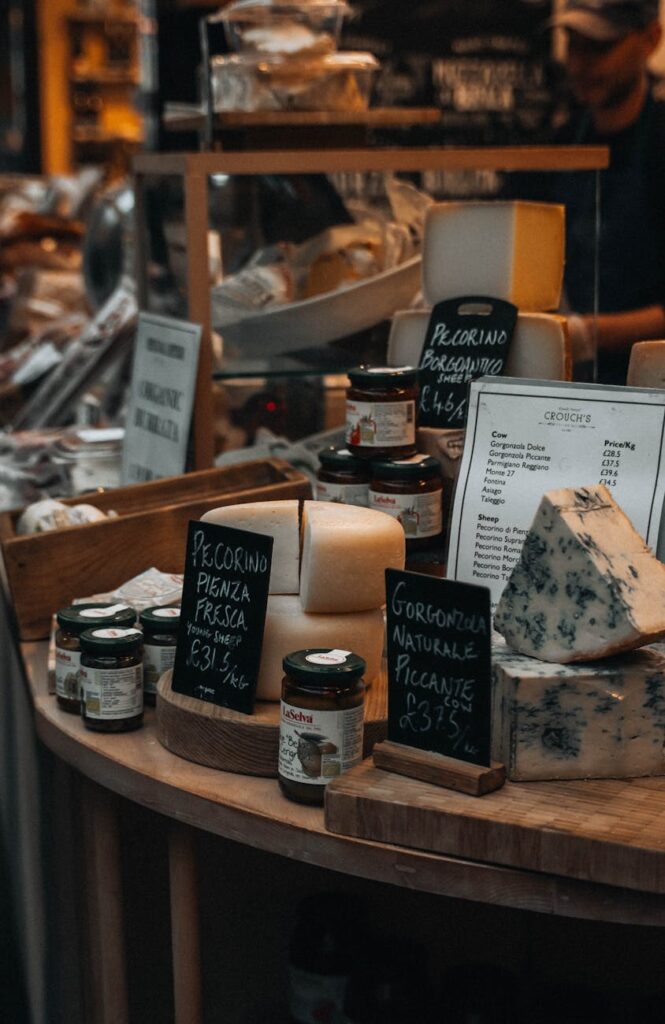
Is Pecorino Cheese Farming Profitable?
Introduction
Pecorino cheese, a beloved staple in Italian cuisine, has gained popularity worldwide for its robust flavor and versatility. As interest in artisanal cheeses continues to rise, many aspiring farmers and cheesemakers are considering the profitability of Pecorino cheese farming. This article delves into the various aspects of Pecorino cheese production, exploring whether it is a viable and lucrative agricultural endeavor.
What Is Growing?
In the context of Pecorino cheese, “growing” refers to the cultivation of sheep for milk production, as well as the subsequent cheesemaking process. Pecorino is made exclusively from sheep’s milk, making the health and well-being of the sheep a crucial factor in both the quantity and quality of milk produced. The profitability of Pecorino cheese farming is inherently tied to the successful management of these two components: the raising of sheep and the art of cheesemaking.
History and Origins
Pecorino cheese has a rich history that dates back thousands of years. The name “Pecorino” is derived from the Italian word “pecora,” meaning sheep. Its origins can be traced to ancient Rome, where it was a staple food for soldiers and farmers alike. Over the centuries, various regions in Italy developed their own unique styles of Pecorino, leading to distinct varieties such as Pecorino Romano, Pecorino Sardo, and Pecorino Toscano.
The traditional methods of production have been passed down through generations, often involving the use of raw milk and natural rennet. Today, while many artisanal producers continue to adhere to these historic practices, industrial methods have also emerged, catering to a growing global demand.
Production and Processing
The production of Pecorino cheese begins with the careful selection of sheep breeds, primarily the Comisana and Sarda, known for their high milk yield and quality. Farmers must ensure that the sheep are well-fed, usually with a diet that includes rich pastures, hay, and grains. This diet not only affects the milk yield but also contributes to the flavor profile of the cheese.
Once the milk is collected, it undergoes pasteurization or is used raw, depending on the desired cheese style. The milking process, which typically occurs twice daily, is crucial for maintaining milk quality. After milking, the milk is heated and combined with rennet, which helps in curdling.
The curds are then cut and placed in molds, where they are pressed to remove excess whey. The cheese is subsequently salted and aged, with aging times ranging from five months to two years, depending on the type of Pecorino being produced. This aging process not only enhances the flavor but also contributes to the texture and overall quality of the cheese.
Quality and Grading
The quality of Pecorino cheese is assessed through various grading standards. Factors such as milk source, production methods, and aging time play significant roles in determining the cheese’s grade. Pecorino that is produced in accordance with traditional methods and local regulations may even be eligible for Protected Designation of Origin (PDO) status, a classification that signifies authenticity and quality.
Grading criteria often include aspects such as flavor, aroma, texture, and appearance. High-quality Pecorino should have a rich, nutty flavor with a firm, granular texture. The color can range from a pale ivory to a deeper yellow, depending on the sheep’s diet and the aging process.
Buying Considerations
When purchasing Pecorino cheese, several factors should be taken into account to ensure quality and flavor. It is advisable to seek out products that are labeled with PDO status, as these are more likely to adhere to traditional production methods and quality standards.
Consumers should also consider the cheese’s age. Young Pecorino, aged for only a few months, tends to be milder and creamier, while aged varieties develop a sharper flavor and a firmer texture. Additionally, the source of the cheese—whether it comes from small artisanal producers or larger commercial operations—can significantly influence taste and quality.
Uses and Applications
Pecorino cheese is incredibly versatile and can be used in various culinary applications. Its robust flavor makes it an excellent addition to pasta dishes, salads, and charcuterie boards. Pecorino Romano, in particular, is often grated over pasta, lending a salty, savory note that enhances the overall dish.
Beyond traditional Italian cuisine, Pecorino can also be utilized in modern recipes, such as gourmet sandwiches and cheese platters. Its unique flavor profile pairs beautifully with fruits, nuts, and a variety of wines, making it a popular choice for entertaining.
Storage and Shelf Life
Proper storage is essential for maintaining the quality of Pecorino cheese. Whole wheels or large blocks can be stored in a cool, dry place, wrapped in cheese paper or waxed paper to allow the cheese to breathe while preventing it from drying out. Once cut, Pecorino should be wrapped tightly in plastic wrap or placed in an airtight container to reduce exposure to air, which can lead to spoilage.
When stored correctly, Pecorino cheese can last for several months. However, the flavor and texture may change over time, with aged varieties becoming drier and more crumbly. It is advisable to check the cheese regularly for signs of mold or off-flavors, especially if it has been stored for an extended period.
Common Misconceptions
One common misconception about Pecorino cheese is that all varieties are the same. In reality, the flavor, texture, and even the methods of production can vary significantly among different types of Pecorino. For example, Pecorino Romano is known for its sharp, salty flavor, primarily used for grating, while Pecorino Sardo offers a milder taste and is often enjoyed in slices or cubes.
Another misconception is that all Pecorino cheese