
Is Pine Nuts Farming Profitable?
Introduction
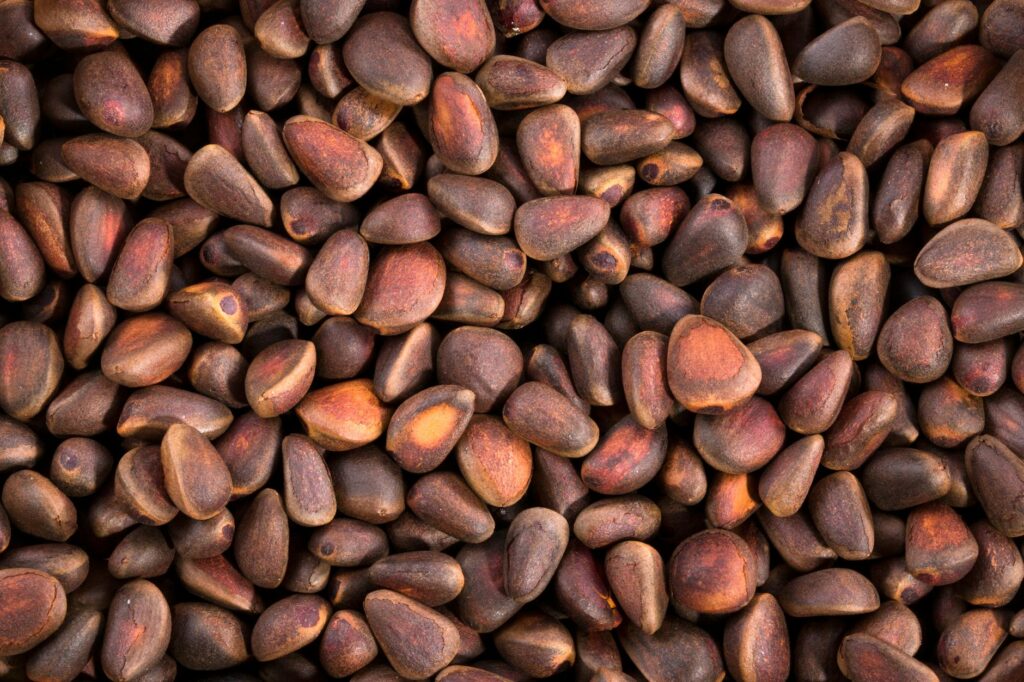
Pine nuts, often referred to as pine seeds, are the edible seeds of pine trees and have been cherished as a food source for centuries. Known for their rich flavor and nutritional benefits, they are a popular ingredient in various cuisines worldwide, particularly in Mediterranean, Asian, and North American dishes. As the demand for natural and gourmet ingredients continues to rise, farmers and agricultural entrepreneurs are increasingly exploring pine nut farming as a potential avenue for profitability. This article delves into the various aspects of growing pine nuts, evaluating the profitability of this endeavor, and providing comprehensive insights into the cultivation process.
What Is Growing?
Growing refers to the agricultural practices involved in cultivating plants, in this case, pine trees that yield edible seeds. The process encompasses everything from selecting the right species of pine, preparing the land, planting, nurturing the trees, and ultimately harvesting the seeds. Effective growing not only influences yield but also the quality of the final product, making it a critical component of successful pine nut farming.
History and Origins
The consumption of pine nuts dates back thousands of years, with evidence suggesting that they were a staple in the diets of various indigenous peoples across North America, Europe, and Asia. Pine nuts were particularly revered by Native American tribes, who utilized them in both culinary and medicinal applications. The earliest recorded uses of pine nuts can be traced to ancient civilizations, including the Romans and Greeks, who recognized their nutritional value and unique flavors.
The cultivation of pine nuts has evolved over time, with some regions specializing in specific pine species known for their higher seed yields. Today, the most commercially significant species include the Western White Pine, Ponderosa Pine, and Sugar Pine in North America, as well as the Stone Pine in Europe and Asia. These species have adapted to varying climates and soil types, allowing for a diverse range of growing conditions.
Production and Processing
Pine nut production is a time-intensive process. Unlike many crops that can be harvested annually, pine trees can take between 5 to 10 years before they begin producing cones, and even longer to reach optimal production levels. The cones, which contain the seeds, typically mature in late summer to early fall, depending on the species and climate.
Once harvested, the cones must be processed to extract the seeds. This involves drying the cones to facilitate seed release, followed by mechanical or manual extraction. The seeds are then cleaned and graded based on size, color, and overall quality. Proper processing is crucial, as it directly affects both the flavor and shelf life of the pine nuts.
Quality and Grading
The quality and grading of pine nuts are determined by several factors, including size, appearance, moisture content, and taste. Generally, larger seeds are more desirable and command higher market prices. The grading process typically categorizes pine nuts into different grades, with ‘extra light’ and ‘light’ being the highest quality.
Moisture content is particularly important, as high levels can lead to spoilage and rancidity. To ensure optimal quality, producers often conduct rigorous testing during the processing phase. The final product should be free of blemishes, have a consistent color, and deliver a rich, nutty flavor profile.
Buying Considerations
When purchasing pine nuts, buyers should consider several factors to ensure they are acquiring high-quality products. Here are some key points to keep in mind:
1. Source and Origin: Knowing where the pine nuts are sourced can provide insights into their quality. Regions with established pine nut production, such as Italy for Stone Pine or the southwestern United States for Ponderosa Pine, are often more reliable.
2. Packaging: Pine nuts should be packaged in airtight containers to prevent exposure to air and moisture, which can lead to spoilage.
3. Freshness: Always check the harvest date if available. Fresher pine nuts will have a more robust flavor and longer shelf life.
4. Certification: Organic certifications can indicate a higher standard of farming practices, which may be desirable for certain consumers.
5. Price: Due to the labor-intensive nature of harvesting and processing pine nuts, they can be relatively expensive compared to other nuts. Be wary of prices that seem too low, as they may indicate inferior quality or questionable sourcing practices.
Uses and Applications
Pine nuts are versatile ingredients that lend themselves to various culinary applications. They are commonly used in salads, pesto, baked goods, and as toppings for meats and vegetables. Their unique flavor profile enhances dishes, providing a creamy, buttery texture that balances well with both savory and sweet ingredients.
In addition to their culinary uses, pine nuts are also employed in the health food industry due to their rich nutrient profile, which includes healthy fats, protein, and vitamins. They are often included in trail mixes, energy bars, and other health-oriented snacks.
Storage and Shelf Life
Proper storage is essential for maintaining the quality of pine nuts. They should be kept in a cool, dark place, ideally in an airtight container to minimize exposure to air and moisture. When stored correctly, pine nuts can last for about six months at room temperature. For extended shelf life, refrigeration or freezing is recommended, which can prolong freshness for up to a year or more.
It is important to note that pine nuts can go rancid due to their high oil content. Signs of spoilage include an off-putting odor, discoloration, or a bitter taste. Regularly checking and rotating stored pine nuts can help ensure that only fresh products are utilized.
Common Misconceptions
Despite their popularity, several misconceptions about pine nuts persist. One common belief is that all pine nuts are the same. In reality, there are numerous species of pine trees that produce seeds with varying flavors, sizes, and oil content. Knowing the specific type can significantly affect culinary applications.
Another misconception is that pine nuts are a seasonal product. While they do have a harvest season, processed pine