
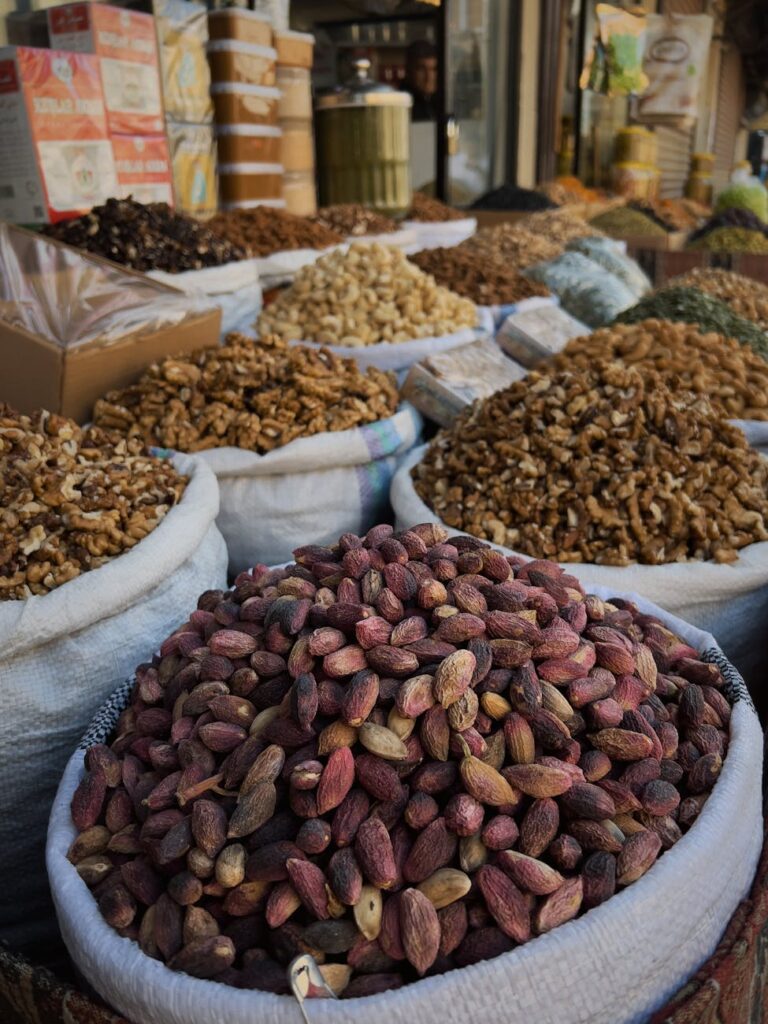
Is Pistachios Farming Profitable?
Introduction
Pistachios have gained prominence not only for their culinary appeal but also as a lucrative agricultural product. As consumer demand for healthy snacks rises, the question of profitability in pistachio farming is becoming increasingly relevant. This article delves into the various factors influencing the profitability of pistachio farming, exploring its history, production processes, market dynamics, and much more.
What Is Growing?
Growing refers to the cultivation of plants for various purposes, including food production, ornamental use, and more. In the context of pistachios, growing involves the careful management of soil, climate, and agricultural practices to maximize yield and quality. The process requires an understanding of the pistachio tree’s specific needs, including irrigation, pest management, and fertilization.
History and Origins
Pistachios (Pistacia vera) are believed to have originated in the Middle East, with historical evidence tracing their cultivation back to ancient Persia, modern-day Iran. The nut was a staple in the diets of ancient civilizations, valued for its flavor and nutritional benefits. Over the centuries, pistachios spread to various regions, including the Mediterranean, the United States, and Australia.
In the United States, commercial pistachio farming began in the 1930s, primarily in California. With its suitable climate, California has since become the leading producer of pistachios in North America, accounting for a significant portion of global production.
Production and Processing
The production of pistachios involves several stages, from planting to harvesting and processing.
Planting
Pistachio trees are typically planted in well-drained soil, with full sun exposure. They thrive in arid climates with hot summers and cool winters. The trees require a male and female pair for pollination, and planting is usually done in the spring.
Growth Cycle
Pistachio trees take around 5 to 7 years to start producing nuts, with full production typically reached by 15 years. The trees are perennial and can live for over a century, making them a long-term investment for farmers.
Harvesting
Harvesting is a critical phase, usually occurring in late summer to early fall. Farmers use mechanical shakers to dislodge the nuts from the trees, which then fall onto tarps or other collection devices. This method minimizes damage and maximizes efficiency.
Processing
Once harvested, pistachios undergo processing, which involves cleaning, drying, and sometimes roasting. Quality control during this phase is crucial, as it affects the flavor, texture, and shelf life of the nuts.
Quality and Grading
The quality of pistachios is determined by several factors, including size, shell integrity, and flavor. The nuts are graded based on these characteristics, with higher grades fetching better prices in the market. Common grading systems categorize pistachios as:
- Extra Fancy: Large, fully developed nuts with intact shells.
- Fancy: Slightly smaller but still high-quality nuts.
- Standard: Smaller sizes and minor shell defects.
- Snacking: Roasted and salted pistachios are a popular snack choice.
- Culinary Ingredients: Ground pistachios are used in desserts, salads, and sauces.
- Oil Production: Pistachio oil is valued for its flavor and health benefits.
- Confectionery: Pistachios are often included in chocolates and mixed nut blends.
- Moisture: High humidity can lead to mold growth and spoilage.
- Light: Exposure to light can degrade the quality of the nuts.
- Temperature: Storing pistachios in a cool environment extends their shelf life.
Farmers must maintain rigorous quality control throughout the production process to ensure top-tier products.
Buying Considerations
For prospective pistachio farmers, several factors impact the decision to enter the market:
Initial Investment
Starting a pistachio farm requires substantial investment in land, equipment, and initial planting. Costs can include soil preparation, irrigation systems, and the purchase of male and female trees.
Climate and Soil
Understanding local climate and soil conditions is crucial. Ideal conditions include hot, dry summers and well-drained, sandy loam soils. Farmers should conduct soil tests to ensure suitability.
Market Demand
Before starting a pistachio farm, potential growers should analyze market trends. As health-conscious consumers increasingly seek out nuts for snacking and cooking, demand for pistachios has surged.
Labor
Labor availability can also affect profitability. While mechanization has reduced the need for manual labor in harvesting, skilled labor may still be required for other aspects of farm management.
Uses and Applications
Pistachios are versatile and can be used in various culinary applications. Their unique flavor and texture make them suitable for:
The increasing popularity of plant-based diets also boosts the demand for pistachios as a protein source.
Storage and Shelf Life
Proper storage is essential to maintain the freshness and quality of pistachios. When stored in a cool, dry place, unshelled pistachios can last for up to a year. Shelled pistachios have a shorter shelf life, typically around six months, unless stored in airtight containers in the refrigerator or freezer.
Factors Affecting Shelf Life
Common Misconceptions
Several misconceptions surround pistachio farming that can affect potential farmers’ perceptions:
1. Pistachios Are Easy to Grow
While pistachios can thrive in suitable conditions, they require specific care and attention. Factors like pest management and irrigation must be carefully managed to ensure a successful crop.
2. Pistachio Farming Is Only for Large Operations
Small-scale pistachio farms can be profitable as well, particularly in niche markets. Local farmers can cater to community needs and specialty products.