
Is Radicchio Farming Profitable?
Introduction
Radicchio, a leafy vegetable known for its striking burgundy color and slightly bitter flavor, has gained prominence in culinary circles worldwide. As a unique ingredient, it stands out not only for its taste but also for its visual appeal. With increasing consumer interest in diverse and gourmet food ingredients, many farmers are considering whether radicchio farming can be a profitable venture. This article explores various aspects of radicchio cultivation, including its history, production, quality standards, and market potential.
What Is Growing?
In the context of agriculture, “growing” refers to the cultivation of plants for food, fiber, or other purposes. For radicchio, this process involves various stages, from seed selection and soil preparation to planting, nurturing, and harvesting. Successful growing practices require an understanding of the plant’s specific needs, including climate conditions, soil type, and water requirements. Radicchio thrives in cooler climates, making it an attractive option for farmers in temperate regions.
History and Origins
Radicchio, scientifically known as Cichorium intybus, is a member of the chicory family. Its origins can be traced back to ancient Mediterranean regions, particularly in Italy, where it has been cultivated for centuries. The various types of radicchio, such as Chioggia, Treviso, and Castelfranco, are named after Italian towns known for their unique varieties. Initially appreciated for its bitter flavor and nutritional benefits, radicchio has evolved into a gourmet ingredient, featured prominently in salads, grilled dishes, and garnishes. Its growth in popularity has led to broader cultivation outside Italy, with successful farming efforts recorded in the United States, Canada, and parts of Europe.
Production and Processing
Radicchio production involves several key steps, beginning with seed selection and soil preparation. Farmers typically choose specific varieties based on local climate, market demand, and personal preference. The plant prefers well-drained, fertile soil with a pH level of 6.0 to 7.0.
Planting and Cultivation
Seeds are usually sown in early spring or late summer, depending on the desired harvest period. Radicchio requires a cool growing season, as heat can cause it to bolt, or flower prematurely. Farmers must monitor soil moisture and provide adequate irrigation, especially during dry spells.
Pest and Disease Management
Like many crops, radicchio is susceptible to pests and diseases, including aphids and fungal infections. Integrated pest management (IPM) strategies, such as crop rotation and the use of beneficial insects, can mitigate these risks. Organic farming practices are increasingly popular, appealing to consumers looking for sustainable produce.
Harvesting
Harvesting radicchio typically occurs 70 to 90 days after planting, depending on the variety. The heads are cut at the base and can be harvested either individually or in clusters. Proper timing is crucial, as overripe radicchio may lose its flavor and crispness.
Processing
Post-harvest, radicchio may undergo various processing steps, including washing, trimming, and packaging. Handling practices should prioritize maintaining freshness and minimizing damage, as radicchio is delicate and can bruise easily.
Quality and Grading
Quality standards for radicchio are determined by size, color, and overall appearance. The United States Department of Agriculture (USDA) has established grading criteria that classify radicchio into different categories, such as U.S. Fancy and U.S. No. 1. Characteristics that influence grading include:
- Color: High-quality radicchio displays a deep burgundy hue, often with white veining.
- Texture: Fresh radicchio should be crisp and firm, indicating proper moisture balance.
- Size: Uniformity in size is essential for marketability, especially for wholesale buyers.
- Source: Opting for local farmers or reputable suppliers can provide fresher options.
- Seasonality: Understanding the seasonal availability of radicchio helps in making informed purchasing decisions.
- Storage Conditions: Buyers should inquire about how radicchio has been stored and transported, as improper conditions can lead to spoilage.
- Salads: Raw radicchio is often used in salads, balancing flavors with its bitterness against sweeter ingredients.
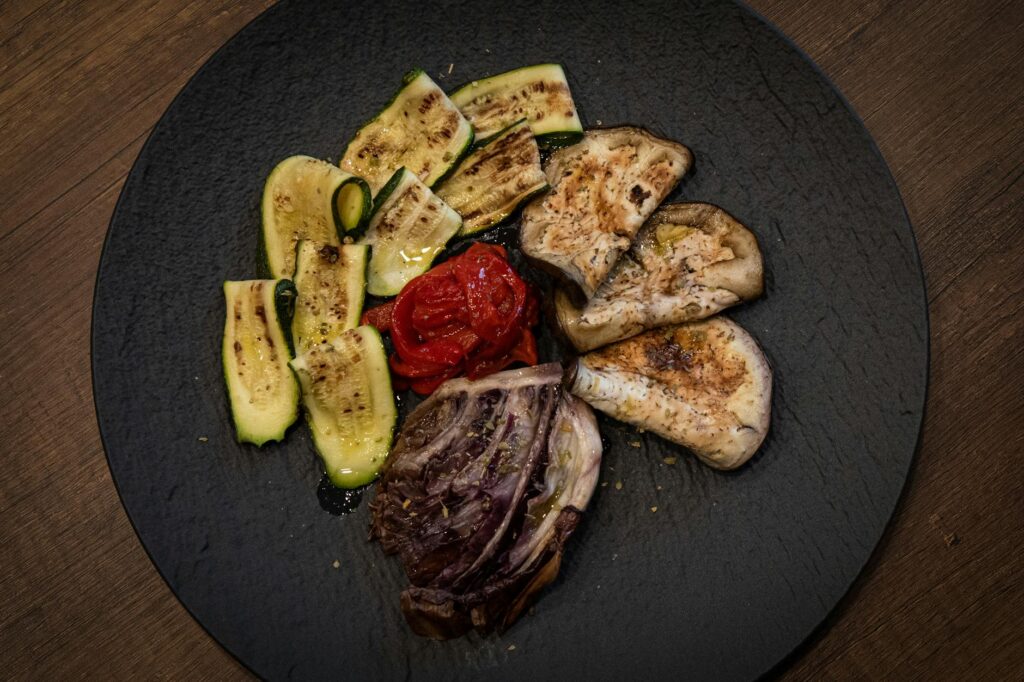
- Grilling: Grilling enhances its natural sweetness while adding a smoky flavor.
- Garnishing: Its vibrant color makes radicchio an ideal garnish for various dishes, adding visual appeal.
- Refrigeration: Store radicchio in the crisper drawer of the refrigerator, ideally wrapped in a damp paper towel and placed in a plastic bag to retain moisture.
- Avoid Bruising: Handle radicchio gently to prevent bruising, which can lead to quicker spoilage.
Farmers aiming for premium prices must ensure their radicchio meets these quality standards, as consumer preferences increasingly lean towards visually appealing produce.
Buying Considerations
When purchasing radicchio, buyers should consider several factors to ensure quality and freshness:
Additionally, exploring organic or sustainably grown options may appeal to a growing segment of environmentally conscious consumers.
Uses and Applications
Radicchio’s versatility extends beyond salads. It can be grilled, roasted, or sautéed, allowing for a range of culinary applications. Common uses include:
With the rise of gourmet cooking, chefs and home cooks alike are experimenting with radicchio in innovative ways, further driving demand.
Storage and Shelf Life
Radicchio is best consumed fresh, but with proper storage, it can have a shelf life of about one to two weeks. To maintain its quality:
Understanding these storage methods is crucial for both consumers and retailers, as proper handling directly impacts the product’s marketability.
Common Misconceptions
Several misconceptions surround radicchio farming:
1. Radic