
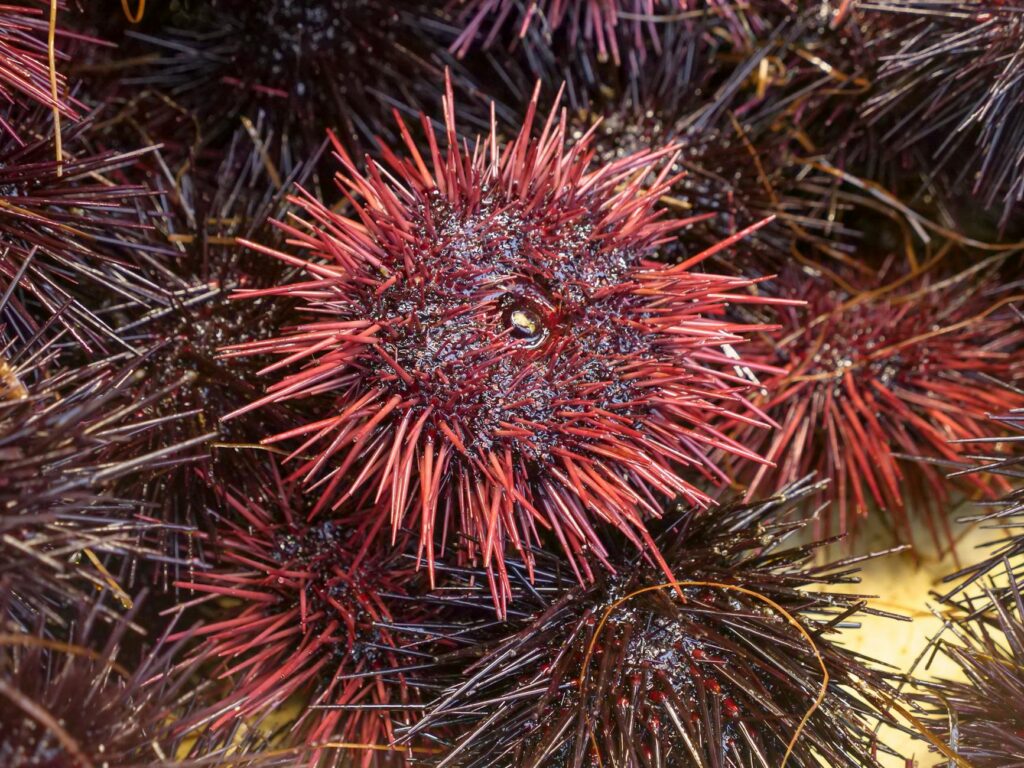
Is Sea Urchin Farming Profitable?
Introduction
Sea urchins, often considered a delicacy in various culinary traditions, are increasingly attracting attention for their potential in aquaculture. This article delves into the profitability of sea urchin farming, examining the factors that contribute to its viability as a business venture. From historical context to production processes and market considerations, we will explore how to navigate the complexities of sea urchin farming, offering insights for aspiring aquaculturists.
What Is Growing?
In the context of aquaculture, “growing” refers to the cultivation of marine organisms in controlled environments. This practice involves the systematic raising of species through various life stages to ensure a sustainable and reliable supply for culinary and commercial markets. For sea urchins, growing typically takes place in either ocean-based farms or land-based systems that mimic natural habitats.
The growing process encompasses several stages, from larvae collection and nursery rearing to final grow-out systems. Each phase requires specific environmental conditions, feeding regimens, and management practices to optimize growth rates and health, ultimately leading to a market-ready product.
History and Origins
The consumption of sea urchins dates back centuries, with ancient civilizations in Japan and the Mediterranean region recognizing their culinary value. In Japan, for instance, sea urchins (known as “uni”) have been a prized ingredient for sushi and sashimi since the Edo period (1603-1868). The demand for sea urchins grew as international culinary trends embraced their unique flavor, leading to overfishing in some regions.
As wild populations declined, the need for alternative sources became apparent, prompting the development of sea urchin farming practices. While still relatively nascent compared to other aquaculture sectors, sea urchin farming has gained traction in countries such as Japan, Mexico, the United States, and Canada. This shift towards aquaculture has the potential to alleviate pressure on wild populations while providing a sustainable source for consumers.
Production and Processing
The production of sea urchins involves several critical steps:
1. Larvae Collection: The initial phase includes collecting fertilized eggs from mature sea urchins, which are then transferred to controlled environments for hatching.
2. Nursery Rearing: Once hatched, the larvae are nurtured in specialized nurseries until they reach a juvenile stage. This stage requires careful monitoring of water quality and temperature, as well as a diet rich in phytoplankton.
3. Grow-Out Systems: After the juvenile stage, sea urchins are transferred to grow-out systems, either in ocean-based farms or land-based tanks. These systems should mimic the natural habitat to ensure optimal growth conditions, including appropriate substrate, water movement, and food sources.
4. Harvesting: Once the sea urchins reach market size, they are harvested, processed, and prepared for distribution. Processing involves cleaning and packaging the edible parts, often referred to as roe or gonads.
The profitability of sea urchin farming largely hinges on the efficiency and effectiveness of these production processes. Successful farms implement rigorous management practices to minimize mortality rates and maximize growth rates, leading to higher yields.
Quality and Grading
Quality is paramount in the sea urchin market, as consumers seek products that meet high culinary standards. The grading of sea urchins typically focuses on several factors:
- Size: Larger urchins with more substantial roe are generally more desirable, commanding higher prices.
- Color: The color of the roe can range from pale yellow to vibrant orange or red. Richly colored roe is often preferred for its visual appeal.
- Flavor Profile: The taste of sea urchin varies depending on its diet and environment. A rich, creamy flavor is sought after, and any off-flavors can significantly affect marketability.
- Source: Opt for farmed sea urchins from reputable producers who practice sustainable farming methods. Look for certifications or labels that indicate responsible sourcing.
- Freshness: Fresh sea urchins are best consumed shortly after harvest. Check for signs of freshness, such as a firm shell and vibrant roe color.
- Seasonality: Availability may vary based on the region and time of year. Understanding local seasons can help consumers make informed purchasing decisions.
- Sustainability: Some may believe that all sea urchin farming is harmful to the environment. However, responsible aquaculture practices can promote sustainability, reducing the pressure on wild populations.
Many producers implement strict quality control measures throughout the farming and processing stages to ensure consistency. This includes regular testing for contaminants and adherence to food safety regulations.
Buying Considerations
When purchasing sea urchins, several factors should be taken into account:
Additionally, buyers should be aware of the differences between various sea urchin species, as some are more highly regarded than others in culinary circles.
Uses and Applications
Sea urchins are predominantly known for their culinary uses, particularly in high-end dining. The roe is often served raw, but it can also be incorporated into sauces, pastas, and other dishes, adding a unique umami flavor. Beyond the culinary realm, sea urchins are also used in various industrial applications, including cosmetics and dietary supplements, due to their rich nutrient profile.
Storage and Shelf Life
Proper storage is essential to maintain the quality of sea urchins. Freshly harvested urchins should be kept in a cool, moist environment, ideally at refrigerator temperatures. If stored correctly, they can last up to a week. However, once opened, the roe should be consumed within a couple of days for optimal flavor and safety.
For longer-term storage, freezing is an option, but it may alter the texture and flavor. Consumers interested in preserving sea urchins should consider their intended use and be mindful of storage recommendations.
Common Misconceptions
Despite growing popularity, several misconceptions about sea urchin farming persist: