
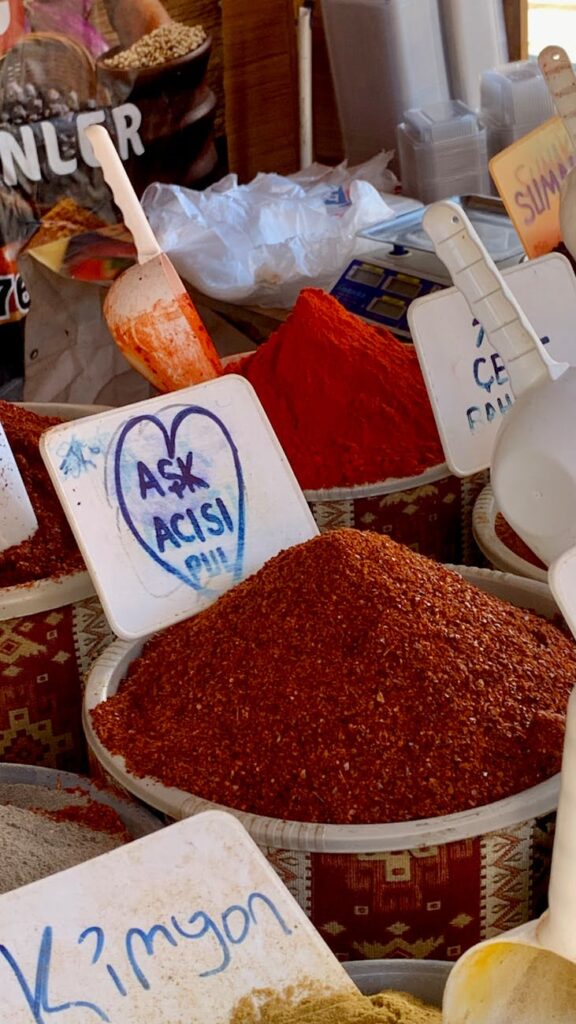
Is Sumac Farming Profitable?
Introduction
The culinary world is constantly evolving, with chefs and home cooks alike seeking unique flavors to enhance their dishes. One such ingredient that has gained popularity in recent years is sumac, a tangy, lemony spice derived from the berries of the sumac plant. As interest in global cuisines grows, so does the potential for sumac farming. This article delves into the profitability of sumac farming, exploring various aspects such as its history, production processes, quality grading, and market demand.
What Is Growing?
Growing, in the context of agricultural practices, refers to the cultivation of plants for food, fiber, or other economic purposes. It encompasses various stages, including planting, nurturing, harvesting, and post-harvest processing. Understanding the nuances of growing sumac is essential for aspiring farmers looking to tap into this niche market.
The sumac plant, belonging to the Anacardiaceae family, is primarily cultivated for its dried fruit, which is ground into a spice. This plant thrives in arid and semi-arid climates, making it an excellent candidate for cultivation in regions that may not support more traditional crops.
History and Origins
Sumac has a rich history that dates back to ancient civilizations. It has been used for centuries in Middle Eastern and Mediterranean cuisines, where it is cherished for its tart flavor and vibrant color. The word “sumac” is derived from the Arabic word “summaq,” which means “red.”
Historically, sumac was not only a culinary staple but also had medicinal uses and was employed as a dye. Its cultivation spans across countries such as Turkey, Iran, and Lebanon, where it grows wild. The plant’s popularity in culinary applications has been documented as far back as the 12th century, making it a time-honored spice with deep cultural significance.
Production and Processing
Sumac is predominantly harvested from the species Rhus coriaria, which produces clusters of red berries. The farming process begins with selecting suitable land that has well-draining soil and receives full sunlight. Sumac plants are resilient and can tolerate drought, but they flourish with adequate water supply during the early growth stages.
Cultivation
The cultivation of sumac typically involves the following steps:
1. Soil Preparation: Soil should be tested for pH levels, ideally aiming for a range of 6.0 to 7.0. Organic matter should be incorporated to improve soil fertility.
2. Planting: Sumac seeds can be sown directly into prepared beds or started in nurseries. Planting is usually done in early spring to take advantage of the growing season.
3. Maintenance: Regular irrigation, weed control, and pest management are crucial during the growing phase. Sumac is relatively pest-resistant, but farmers should remain vigilant against common agricultural pests.
4. Harvesting: The berries are harvested when they turn a deep red color, typically in late summer or early autumn. Harvesting is often done by hand to ensure that the berries remain intact for processing.
Processing
Once harvested, sumac berries undergo a series of processing steps:
1. Drying: The berries must be dried to preserve their flavor and prevent spoilage. This can be achieved through sun-drying or using dehydrators.
2. Grinding: After drying, the berries are ground into a fine powder. This process must be conducted in a clean environment to maintain quality.
3. Packaging: The ground sumac is then packaged in airtight containers to protect it from moisture and light, both of which can degrade its flavor.
Quality and Grading
Quality is a key factor influencing the profitability of sumac farming. The grading process typically involves evaluating the color, flavor, and texture of the spice. High-quality sumac is characterized by:
- Color: A vibrant deep red hue, indicating ripeness and freshness.
- Flavor: A strong, tangy flavor profile that adds depth to dishes.
- Texture: A fine, uniform powder that is free of lumps or impurities.
- Seasoning: Sumac is often used as a seasoning for meats, vegetables, and salads, providing a zesty flavor that enhances dishes.
- Garnishing: Its vibrant color makes it an attractive garnish for dishes, adding both visual appeal and flavor.
- Marinades and Dressings: Sumac can be incorporated into marinades and salad dressings, adding a unique tanginess.
- Cultural Dishes: In Middle Eastern cuisine, sumac is a key ingredient in traditional dishes like fattoush salad and za’atar spice blends.
Producers should aim for high-quality standards to attract premium prices in the market. Certification from organic or sustainable farming practices can also enhance the product’s marketability.
Buying Considerations
For those interested in sourcing sumac, several factors should be taken into account:
1. Origin: Authentic sumac from regions known for its cultivation, such as the Middle East and Mediterranean, often carries a reputation for superior quality.
2. Form: Sumac is available in whole berries or ground form. While ground sumac is more convenient, whole berries can offer fresher flavor when ground just before use.
3. Packaging: Look for airtight packaging to ensure freshness. Check for expiration dates and any certifications, such as organic or non-GMO.
4. Price: The cost of sumac can vary widely based on quality, origin, and market demand. It is advisable to compare prices from different suppliers to ensure fair value.
Uses and Applications
Sumac is a versatile ingredient that finds its way into various culinary applications:
As the global palate continues to embrace diverse flavors, the demand for sumac is likely to grow, presenting an opportunity for farmers.