
Is Taro Farming Profitable?
Introduction
Taro (Colocasia esculenta) is a versatile root vegetable that has been cultivated for thousands of years. Known for its starchy texture and nutty flavor, taro is a staple food in various cultures, particularly in Asia and the Pacific Islands. As global demand for diverse food ingredients continues to rise, farmers are increasingly considering taro as a viable crop. This article delves into the profitability of taro farming, exploring its growing requirements, historical significance, production methods, and market potential.
What Is Growing?
Growing refers to the systematic process of cultivating crops to achieve optimal yields. In the context of taro farming, this encompasses various stages, including land preparation, planting, maintenance, harvesting, and post-harvest processing. Successful growing requires knowledge of the plant’s specific needs regarding soil, water, climate, and care. Understanding these factors is essential for maximizing both the quality and quantity of the taro produced.
History and Origins
Taro is one of the oldest cultivated crops in the world, believed to have originated in Southeast Asia or the Indian subcontinent. Archaeological evidence suggests that it was domesticated over 5,000 years ago. Its spread across the Pacific Islands and into Africa can be attributed to ancient Polynesian navigators who valued the crop for its nutritional benefits and adaptability. Today, taro is grown in tropical and subtropical regions worldwide, with significant production in countries like China, India, and the Philippines.
Production and Processing
Growing Conditions
Taro thrives in warm, humid climates with well-draining, fertile soil rich in organic matter. It prefers temperatures between 70°F and 95°F (21°C to 35°C) and can tolerate a range of soil types, although loamy soils are ideal. Adequate water supply is critical, as taro is often grown in wetland conditions or flooded fields. Farmers typically plant taro from corms or suckers, which are cut from mature plants.
Cultivation Practices
1. Land Preparation: The first step involves clearing the land of weeds, debris, and rocks. Tilling the soil to a depth of at least 12 inches helps aerate the ground and improve drainage.
2. Planting: Taro can be planted in rows or beds, depending on the farming method. A spacing of 3 to 4 feet between plants is recommended to allow for adequate growth.
3. Water Management: Depending on the growing method, farmers may utilize irrigation systems to maintain consistent moisture levels. In wetland farming, controlled flooding is used to suppress weeds and promote healthy growth.
4. Fertilization: Organic fertilizers, such as compost or well-rotted manure, are beneficial for boosting soil nutrients. Additionally, chemical fertilizers may be applied based on soil tests to address specific nutrient deficiencies.
5. Pest and Disease Control: Regular monitoring for pests and diseases, such as the taro leaf blight, is crucial. Integrated pest management (IPM) strategies can help mitigate these issues while minimizing chemical use.
Harvesting
Taro is typically harvested 7 to 12 months after planting, depending on the variety and growing conditions. Corms should be harvested when they reach a suitable size, as leaving them in the ground too long can lead to deterioration in quality. Farmers carefully dig up the corms to avoid damage, ensuring that the outer skin remains intact for better storage.
Quality and Grading
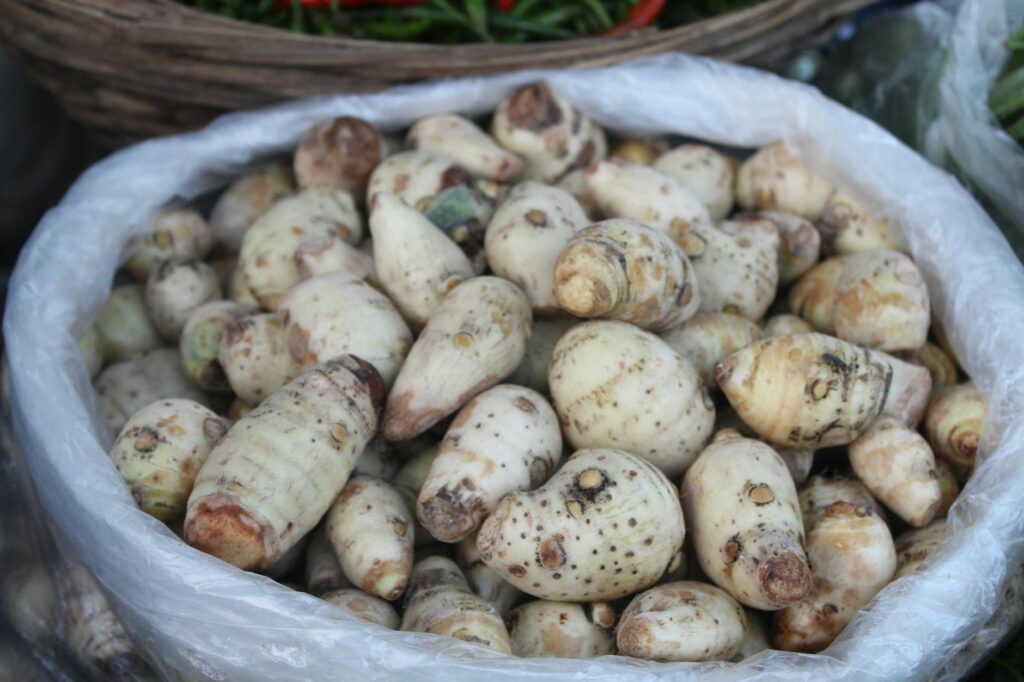
The quality of taro is determined by several factors, including size, shape, skin texture, and absence of blemishes or diseases. Grading typically categorizes taro into different classes based on these parameters:
1. Grade A: Large, smooth-skinned corms with minimal blemishes.
2. Grade B: Slightly smaller corms with minor imperfections.
3. Grade C: Smaller or damaged corms, often used for processing.
Quality control during harvesting and post-harvest practices is essential for ensuring that only the best products reach the market.
Buying Considerations
When purchasing taro, whether for personal use or commercial purposes, several factors should be taken into account:
1. Source: It’s essential to buy from reputable suppliers or local farmers who adhere to good agricultural practices.
2. Freshness: Look for firm, unblemished corms that feel heavy for their size. Avoid any with soft spots or discoloration.
3. Variety: Different varieties of taro may have distinct flavors and textures. Do some research to determine which is best suited for your intended application.
Uses and Applications
Taro is a highly versatile ingredient used in various culinary applications. Common uses include:
- Starch Source: Taro is rich in carbohydrates, making it an important staple in many diets.
- Culinary Dishes: It can be boiled, mashed, fried, or made into flour for baking. Taro is often featured in soups, stews, and desserts.
- Cultural Significance: In several cultures, taro holds symbolic meanings and is often used in traditional ceremonies.
- Industrial Applications: Taro starch is increasingly being used in food processing and manufacturing as a thickening agent.
Storage and Shelf Life
Proper storage is crucial for maintaining the quality of taro. Corms should be kept in a cool, dry place with good ventilation to prevent spoilage. When stored correctly, taro can last for several weeks. Once cut, it is advisable to refrigerate the corms in a sealed container to extend their shelf life, but they should be consumed within a few days to avoid deterioration.
Common Misconceptions
1. Taro and Yams: Many people confuse taro with yams. While both are