
Is Thai Basil Farming Profitable?
Introduction
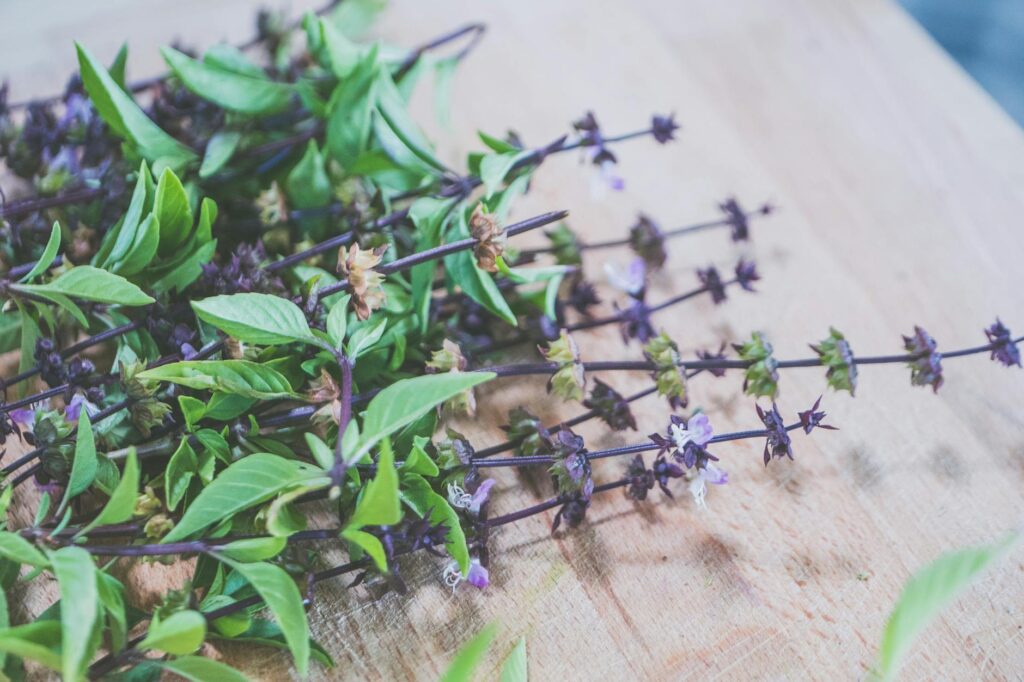
Thai basil (Ocimum basilicum var. thunbergii) is a fragrant herb widely celebrated for its unique flavor profile, which combines hints of anise and clove. It is a cornerstone ingredient in various Southeast Asian cuisines, particularly Thai dishes. As the global culinary landscape continues to embrace diverse flavors, the demand for Thai basil has surged. This article explores the profitability of Thai basil farming, considering factors such as cultivation practices, market trends, and potential challenges.
What Is Growing?
Growing, in the context of agricultural practices, refers to the cultivation of crops, including various herbs like Thai basil. It encompasses a range of activities from seed selection and soil preparation to planting, nurturing, harvesting, and post-harvest processing. The success of farming Thai basil hinges on various factors, including climate suitability, soil conditions, and proper care during its growth cycle.
History and Origins
Thai basil is native to Southeast Asia and has deep cultural roots in Thailand and neighboring countries. It is often referred to as “Thai sweet basil” due to its aromatic qualities. Historically, this herb has been used not only for its culinary applications but also in traditional medicine and rituals. Its unique flavor distinguishes it from other basil varieties, such as sweet basil and Genovese basil, making it a preferred choice in Thai and Vietnamese cuisines. The herb’s introduction to Western markets has further fueled its popularity, leading to increased cultivation outside its native regions.
Production and Processing
Cultivation Practices
Thai basil thrives in warm, tropical climates with well-drained soil. It typically requires full sunlight, making it ideal for regions that experience warm weather year-round. The cultivation process often begins with seed propagation, followed by transplantation into raised beds or containers. The plants require regular watering but should not be overwatered, as this can lead to root rot. Fertilization with organic matter or balanced fertilizers can enhance growth and yield.
Harvesting and Processing
Harvesting Thai basil typically occurs when the plants reach about 12 to 18 inches in height. The leaves are hand-picked, ensuring that the plant continues to grow for subsequent harvests. Post-harvest, the leaves must be handled with care to maintain their quality. They can be sold fresh, dried, or processed into oils. Each method of processing requires specific techniques to ensure the preservation of flavor and aroma.
Quality and Grading
Quality is a critical factor in determining the market value of Thai basil. Grading typically considers aspects such as leaf size, color, and aroma. High-quality Thai basil should exhibit vibrant green leaves, free from blemishes or discoloration. Farmers often need to adhere to grading standards set by local markets or export regulations. For instance, premium basil may be sold at a higher price due to its superior flavor and appearance, affecting overall profitability.
Buying Considerations
When considering the purchase of Thai basil, various factors come into play. Buyers should assess whether they are sourcing fresh basil from local farms, purchasing dried herbs, or acquiring processed products like basil oil. Fresh Thai basil is often preferred for culinary applications, while dried variants are suitable for long-term storage and use. Additionally, buyers should consider sourcing organic basil to cater to health-conscious consumers, which can command premium pricing.
Uses and Applications
Thai basil is predominantly used in culinary applications, enhancing the flavor of dishes such as curries, stir-fries, and salads. Its aromatic leaves pair well with proteins like chicken, beef, and seafood, as well as vegetables and rice. Beyond culinary uses, Thai basil is also employed in infusions, teas, and cocktails, broadening its market appeal. Furthermore, essential oils extracted from Thai basil are used in aromatherapy and personal care products.
Storage and Shelf Life
Proper storage is essential for maintaining the quality of Thai basil. Fresh basil should be kept in a cool, humid environment, such as a refrigerator, where it can last up to a week. For longer preservation, drying or freezing can extend its shelf life. Dried Thai basil can last several months if stored in a cool, dark place in airtight containers. Understanding the best storage methods can help farmers and distributors minimize waste and maximize profitability.
Common Misconceptions
Several misconceptions about Thai basil farming exist that can hinder potential farmers from entering the market. One prevalent myth is that Thai basil requires extensive resources and investment, which is not necessarily true. While initial setup costs for seeds, equipment, and land may be significant, the ongoing maintenance of Thai basil is relatively manageable compared to other crops. Another misconception is that Thai basil can only be grown in tropical climates. In reality, it can be cultivated in greenhouses or controlled environments in cooler regions, provided temperature and humidity are managed effectively.
Frequently Asked Questions
1. What climate is best for growing Thai basil?
Thai basil thrives in warm, sunny climates with temperatures between 70°F and 90°F (21°C to 32°C). It requires full sunlight and well-drained soil to grow effectively.
2. How long does it take for Thai basil to grow?
Thai basil typically takes about 60 to 90 days from seed germination to harvest. This timeframe may vary based on growing conditions and care.
3. Can Thai basil be grown indoors?
Yes, Thai basil can be grown indoors in pots or containers. It requires sufficient sunlight or grow lights to thrive.
4. What pests or diseases affect Thai basil?
Common pests include aphids, spider mites, and whiteflies. Diseases such as downy mildew or root rot can occur if watering practices are not managed properly.
5. Is organic Thai basil farming more profitable?
Organic farming can command higher prices, appealing to health-conscious consumers. However, it may require more stringent practices, which can affect overall profitability.
6. How can I market my Thai basil effectively?