
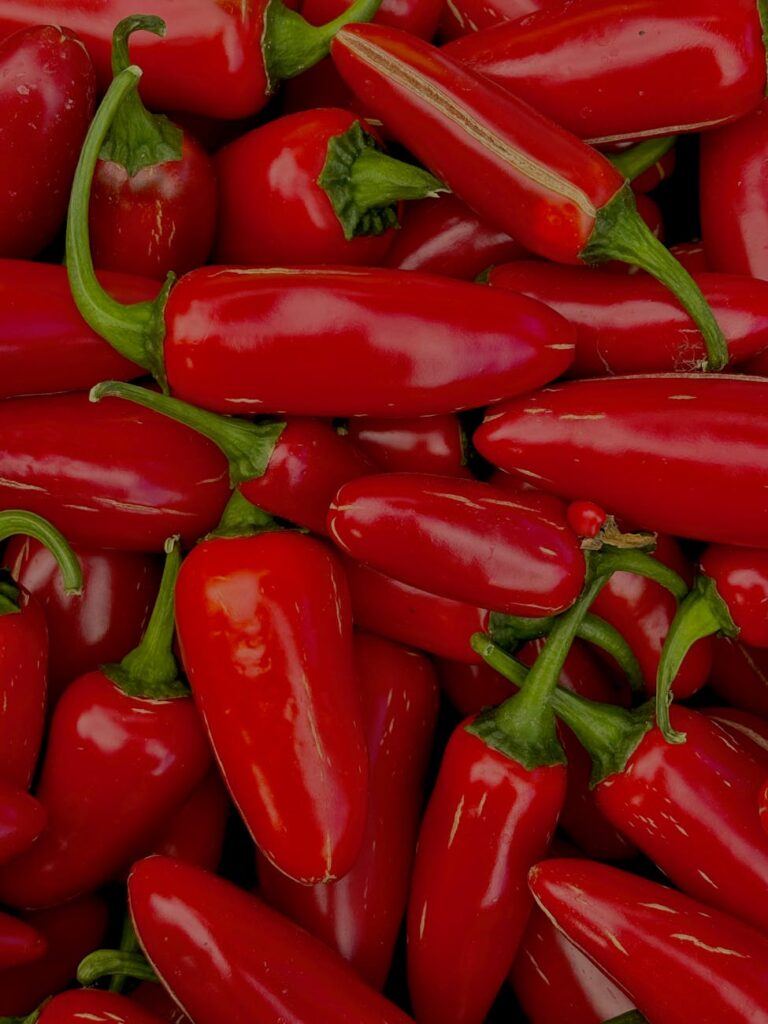
Jalapeño Cultivation Explained
Introduction
The jalapeño pepper, a beloved staple in cuisines worldwide, is admired not only for its distinctive flavor but also for its versatility. This article delves into the intricate process of cultivating jalapeños, exploring their history, production methods, quality grading, and more. Understanding these aspects can enhance both culinary practices and agricultural sustainability.
What Is Growing?
Growing refers to the process of nurturing plants from seeds or seedlings until they reach maturity, ready for harvest. This includes various stages such as germination, vegetative growth, flowering, and fruiting. In the context of jalapeño cultivation, growing involves specific techniques tailored to the plant’s unique needs, including soil preparation, watering, pest management, and harvesting.
History and Origins
The jalapeño pepper, scientifically known as Capsicum annuum, hails from Mexico, where it has been cultivated for centuries. Its name derives from the town of Xalapa (or Jalapa), Veracruz, where it was first cultivated. The jalapeño is a descendant of the wild chili peppers that were domesticated by indigenous peoples in the region.
Historically, jalapeños were used not only for their flavor but also for their preservation qualities. The drying process gave rise to the chipotle, a smoked version of the pepper. Over time, jalapeños gained popularity beyond Mexico, becoming a staple in Tex-Mex cuisine and eventually making their way into global culinary practices.
Production and Processing
Cultivation Practices
Soil Preparation
Jalapeños thrive in well-drained, loamy soil rich in organic matter. Before planting, it is crucial to perform soil tests to determine pH and nutrient levels. Ideally, the soil pH should range from 6.0 to 6.8. Incorporating compost or well-rotted manure can enhance soil fertility.
Planting
Jalapeños are typically grown from seeds or transplants. Seeds can be sown indoors 8-10 weeks before the last frost, while outdoor planting should occur once soil temperatures reach at least 70°F (21°C). Spacing is essential; plants should be spaced about 18 inches apart to ensure adequate airflow and sunlight penetration.
Watering and Fertilization
Consistent irrigation is vital for jalapeño plants, especially during the flowering and fruiting stages. Drip irrigation is often recommended to minimize water stress and prevent diseases. Fertilizers high in potassium and phosphorus are beneficial during the flowering phase, promoting fruit development.
Pest and Disease Management
Common pests include aphids, spider mites, and whiteflies. Integrated pest management (IPM) strategies, such as introducing beneficial insects or using organic pesticides, can help control infestations. Diseases like bacterial leaf spot and powdery mildew can be mitigated through proper spacing, crop rotation, and maintaining plant health.
Harvesting
Jalapeños can be harvested at various stages of ripeness, typically around 70-80 days after planting. The ideal time for harvest is when the peppers are firm and glossy, generally green in color, although they can be allowed to ripen to a red hue for a sweeter flavor profile. Hand harvesting is recommended to prevent damage to the plants.
Quality and Grading
The quality of jalapeños is assessed based on several factors, including size, color, firmness, and absence of blemishes. Grading systems may vary by region but generally categorize peppers into different grades such as U.S. Fancy, U.S. No. 1, and U.S. No. 2.
- U.S. Fancy: These jalapeños are of the highest quality, showcasing uniform size, excellent color, and no defects.
- U.S. No. 1: Slightly lower in quality than U.S. Fancy, these peppers may have minor blemishes but are still suitable for consumption.
- U.S. No. 2: These peppers are often smaller, may have more visible imperfections, and are typically used in processing rather than for fresh market sales.
- Salsas: Fresh jalapeños add heat and flavor to salsa recipes, enhancing the overall profile of the dish.
- Stuffed Peppers: Jalapeños can be stuffed with cheese, meats, or grains and baked for a delicious appetizer.
- Condiments: Pickled jalapeños are popular in tacos, sandwiches, and burgers, providing a spicy kick.
- Garnishes: Sliced jalapeños can serve as vibrant garnishes for a variety of dishes, adding both flavor and visual appeal.
Buying Considerations
When purchasing jalapeños, whether from a grocery store, farmer’s market, or online, several factors should be taken into account:
1. Freshness: Look for firm, shiny peppers. Dull skin or wrinkles can indicate that the peppers are past their prime.
2. Color: Vibrant green jalapeños indicate freshness, while those turning red may be overripe.
3. Size: Choose jalapeños that are uniform in size for consistent cooking results.
4. Source: Consider buying from local farmers or organic sources to ensure freshness and support sustainable agriculture.
5. Seasonality: Jalapeños are typically in season during the summer months, so purchasing during this time can yield the best quality.
Uses and Applications
Jalapeños are a versatile ingredient used in various culinary applications. They can be enjoyed raw, grilled, roasted, or pickled. Some common uses include:
Storage and Shelf Life
Fresh Jalapeños
Fresh jalapeños can be stored in the refrigerator for up to two weeks. To maximize freshness, place them in a perforated plastic bag to allow air circulation while retaining moisture. It is advisable to keep them unwashed until ready to use, as moisture can promote mold growth.