
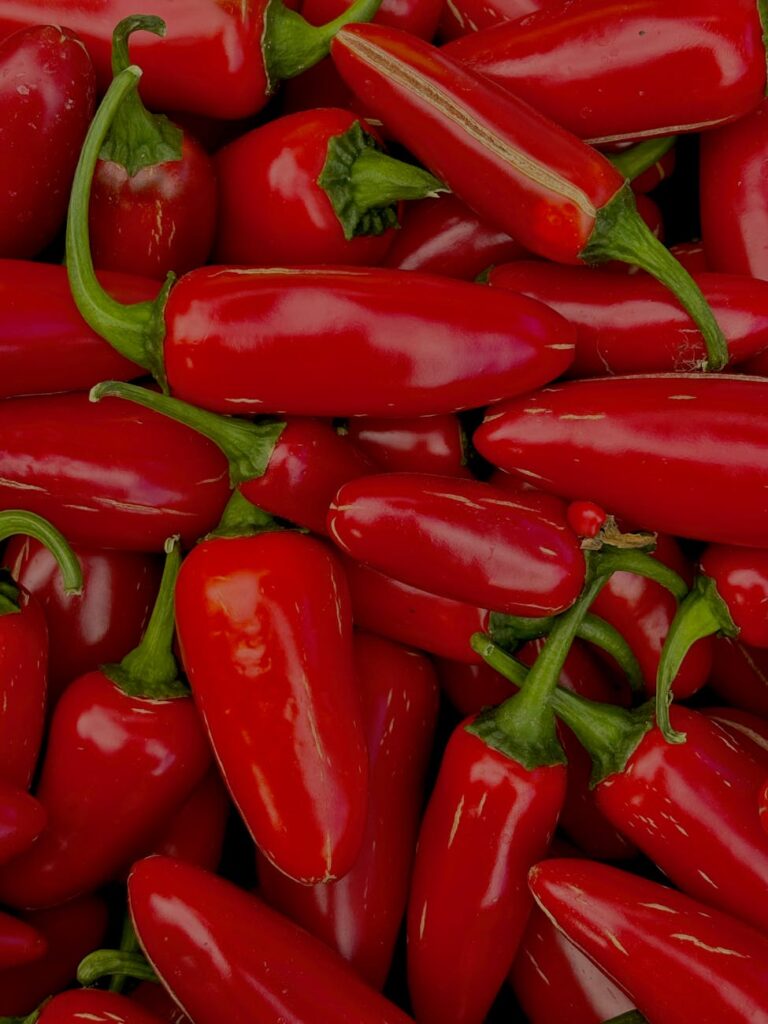
Jalapeño FAQs Answered
Introduction
The jalapeño pepper, a vibrant member of the Capsicum family, has garnered a significant following in kitchens worldwide, celebrated for its unique balance of heat and flavor. This article aims to provide a comprehensive guide on jalapeños, delving into their origins, production, quality grading, and more. Whether you are a culinary enthusiast or a professional chef, understanding jalapeños enhances your cooking repertoire and enriches your culinary experiences.
What Is Guides?
In the context of food ingredients like jalapeños, “Guides” refer to structured information that educates consumers and culinary professionals about the ingredient’s characteristics, uses, and best practices. Guides serve as a resource that demystifies the complexities of various ingredients, allowing users to make informed decisions about selection, preparation, and application. By providing a detailed understanding of jalapeños, this guide empowers readers to utilize this ingredient effectively in their culinary endeavors.
History and Origins
Jalapeños trace their roots back to Mexico, where they have been cultivated for thousands of years. The pepper is named after the town of Xalapa (pronounced “ha-LAP-ah”) in Veracruz, Mexico, where it is believed to have been first cultivated. Archaeological evidence suggests that the domestication of Capsicum species occurred as early as 5000 B.C. The peppers became integral to Mexican cuisine, particularly in salsas, sauces, and various dishes.
As trade and migration patterns evolved, jalapeños made their way to the United States and beyond, gaining popularity in Tex-Mex cuisine and American barbecue. The pepper’s ability to adapt to different growing conditions has led to its widespread cultivation, making it a staple ingredient in various global cuisines.
Production and Processing
Jalapeños are primarily grown in warm climates, thriving in well-drained, sandy loam soils. Major producers include Mexico, the United States, and several Central American countries. The production process begins with seed germination, followed by transplanting seedlings into fields. The plants require ample sunlight and consistent watering, and they typically reach maturity in 70 to 90 days.
Harvesting occurs when the peppers are still green, although they can also be allowed to ripen to a red hue, which intensifies their sweetness. After harvesting, jalapeños undergo several processing stages, depending on their intended use. Fresh jalapeños may be packaged and shipped directly to markets, while others may be pickled, canned, or dried for longer shelf life.
Quality and Grading
The quality of jalapeños is determined by several factors, including size, color, firmness, and absence of blemishes or defects. Generally, jalapeños are graded as U.S. No. 1 or U.S. No. 2 based on these criteria. U.S. No. 1 peppers are typically larger, with a vibrant green color and a firm texture, while U.S. No. 2 may have slight imperfections but are still suitable for consumption.
When purchasing jalapeños, look for peppers that are bright green, smooth-skinned, and firm to the touch. The presence of any soft spots, wrinkles, or discoloration may indicate spoilage or aging.
Buying Considerations
When selecting jalapeños, consider the following factors:
1. Color and Texture: Opt for firm, glossy peppers with a deep green color. Avoid any that appear dull or have soft spots.
2. Size: Jalapeños can vary in size. Smaller peppers tend to be spicier, while larger ones may be milder. Choose according to your heat preference.
3. Seasonality: Fresh jalapeños are typically in season from late spring to early fall. Purchasing during this time ensures you get the freshest produce.
4. Organic vs. Conventional: Organic jalapeños may be free from pesticides and synthetic fertilizers. If this is a concern for you, look for organic certification.
5. Local Sources: Whenever possible, consider buying from local farmers’ markets or local producers to ensure freshness and support local agriculture.
Uses and Applications
Jalapeños are incredibly versatile and can be used in various culinary applications. They are famous for their role in salsa, where they contribute both heat and flavor. Beyond salsa, jalapeños can be used in:
- Stuffed Dishes: Fresh jalapeños can be hollowed out and filled with cheese, meats, or grains, then baked or grilled.
- Soups and Stews: They add depth and spiciness to soups and stews, enhancing the overall flavor profile.
- Pickling: Pickled jalapeños serve as a tangy condiment for tacos, sandwiches, and salads.
- Garnishes: Sliced jalapeños can be used as a garnish for nachos, burgers, and pizzas, providing a flavorful kick.
- Infusions: Jalapeños can be used to infuse oils or spirits, adding a spicy note to culinary creations.
Storage and Shelf Life
Proper storage is crucial to maintaining the freshness of jalapeños. Fresh jalapeños should be kept in the refrigerator, preferably in a breathable plastic bag or container. When stored correctly, they can last up to one to two weeks.
For longer storage, jalapeños can be frozen. To freeze, wash and dry the peppers, then chop them as desired. Place the prepared jalapeños in an airtight container or freezer bag and store them in the freezer, where they can last for several months.
Pickled jalapeños, on the other hand, can last for several months when stored in a cool, dark place. Once opened, they should be refrigerated and consumed within a few weeks.
Common Misconceptions
Several misconceptions surround jalapeños that can lead to confusion:
1. All Jal