
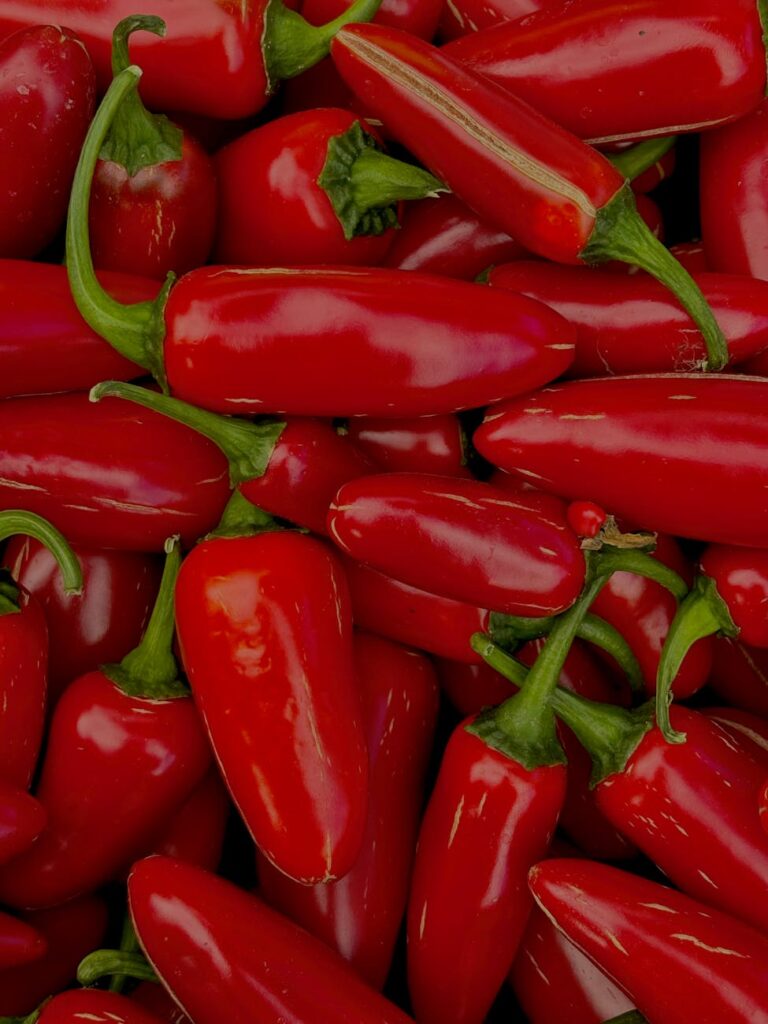
Jalapeño Grading Explained
Introduction
Jalapeños are a staple in cuisines around the world, appreciated for their distinctive heat and flavor. As the demand for this versatile pepper grows, understanding the nuances of buying, grading, and selecting high-quality jalapeños becomes essential for culinary professionals and home cooks alike. This article delves into the intricacies of jalapeño grading, providing insights into what makes a jalapeño desirable and how to choose the best specimens for your culinary needs.
What Is Buying?
In the context of food ingredients, “buying” refers to the process of selecting and purchasing food items based on quality, freshness, and suitability for specific culinary applications. For jalapeños, this involves assessing various factors such as size, color, firmness, and overall appearance. The buying process is crucial for chefs and food enthusiasts striving for excellence in their dishes, as the quality of the ingredients significantly impacts the final outcome.
History and Origins
The jalapeño pepper originates from Mexico, specifically the region surrounding the city of Xalapa, Veracruz. Its cultivation dates back to the indigenous peoples who first domesticated the Capsicum annuum species. The jalapeño became increasingly popular in the 19th century, particularly when it began to be exported to the United States and beyond.
The name “jalapeño” is derived from Xalapa, where these peppers were traditionally grown. Their popularity surged in the 20th century, leading to various cultivation methods and hybrids. Today, jalapeños are grown in numerous countries, particularly in North America, where they thrive in the warm climate and fertile soils.
Production and Processing
Jalapeño production involves several stages, from cultivation to harvesting and processing. Typically, these peppers are grown in warm, temperate climates, which encourage robust growth. Farmers must carefully monitor soil conditions, irrigation, and pest control to ensure healthy plants.
Once harvested, jalapeños can undergo various processing methods, including drying, pickling, and smoking. Each method imparts unique flavors and textures to the peppers, expanding their culinary applications. For example, smoked jalapeños, known as chipotles, offer a smoky depth that enhances many dishes. Understanding these processing techniques is essential when considering the intended use of jalapeños in culinary applications.
Quality and Grading
The grading of jalapeños is a critical aspect of the buying process. Quality indicators include size, shape, color, and surface texture. The U.S. Department of Agriculture (USDA) provides guidelines for grading jalapeños, which are typically classified into three grades: U.S. Fancy, U.S. No. 1, and U.S. No. 2.
- U.S. Fancy: This grade represents the highest quality jalapeños, characterized by uniform size, vibrant green color, and a firm texture. They are often free from blemishes and defects, making them ideal for fresh consumption or high-end culinary applications.
- U.S. No. 1: Jalapeños in this category may have slight variations in size and color but still meet strict quality standards. They possess a good firmness and are suitable for a wide range of culinary uses, including cooking and garnishing.
- U.S. No. 2: This grade includes jalapeños that may show more significant imperfections, such as blemishes, irregular shapes, or slight softness. While these peppers may still be usable, they are better suited for processing or cooking rather than presentation.
- Salsas and Sauces: Fresh jalapeños add heat and flavor to salsas, sauces, and dips, enhancing the taste of dishes.
- Pickling: Pickled jalapeños are a popular condiment, offering a tangy and spicy kick to sandwiches, tacos, and salads.
- Stuffed Peppers: Larger jalapeños are often stuffed with cheese, meats, or grains,
The grading system provides a framework for buyers to assess quality, but it is essential to consider individual preferences and specific culinary needs when selecting jalapeños.
Buying Considerations
When purchasing jalapeños, several factors should be taken into account to ensure you select the best quality peppers:
1. Freshness: Look for firm, shiny peppers with a vibrant green color. Fresh jalapeños should feel heavy for their size and have a smooth skin. Avoid any that exhibit wrinkles or soft spots.
2. Size: Jalapeños come in various sizes, often ranging from 2 to 6 inches in length. The size you choose may depend on the intended culinary application; larger jalapeños are often used for stuffing, while smaller ones may be used for salsas or garnishes.
3. Texture: The skin should be smooth and glossy, indicating freshness. A bumpy or dull surface may indicate aging or poor quality.
4. Color: While most jalapeños are harvested while still green, some may ripen to a red hue. The color can affect flavor; green jalapeños tend to be crisper and spicier, while red jalapeños are sweeter and milder.
5. Origin: Consider where the jalapeños are sourced. Local produce may be fresher and have a smaller carbon footprint, while imported options may offer variety but could vary in freshness.
6. Seasonality: Jalapeños are generally available year-round, but their peak season is during the summer months. Purchasing during peak season often results in better quality and flavor.
7. Organic vs. Conventional: Organic jalapeños are grown without synthetic pesticides or fertilizers, which may appeal to health-conscious consumers. While they may be more expensive, many believe they offer superior flavor and environmental benefits.
Uses and Applications
Jalapeños are incredibly versatile and can be used in various culinary applications, including: