
Jalapeño Myths and Misconceptions
Introduction
The jalapeño pepper, with its vibrant green hue and distinctive flavor, has become a staple in kitchens around the world. Known for its moderate heat and versatility, it is often used in various cuisines, from Mexican tacos to American salsas. However, despite its popularity, several myths and misconceptions surround this beloved ingredient. This article aims to clarify the truths about jalapeños, exploring their history, production, culinary applications, and common misunderstandings.
What Are Guides?
In the context of culinary education, “guides” refer to comprehensive resources that provide detailed information about specific food ingredients. These guides typically cover a range of topics, including the ingredient’s history, production methods, culinary uses, and common misconceptions. For jalapeños, a guide serves not only to educate chefs and home cooks but also to enhance appreciation for this widely used ingredient.
History and Origins
Jalapeños trace their roots back to Mexico, where they have been cultivated for thousands of years. The name “jalapeño” comes from Xalapa, the capital city of the Mexican state of Veracruz, where the pepper was first grown. Archaeological evidence suggests that ancestors of the jalapeño were present in the region as early as 5000 B.C.
Jalapeños were traditionally consumed fresh, dried, and pickled, contributing to various culinary practices. They gained popularity in the United States in the late 20th century, becoming a favorite for their balance of flavor and heat. Today, jalapeños are cultivated in many regions worldwide, but they remain a significant part of Mexican cuisine.
Production and Processing
The production of jalapeños involves several key steps, beginning with cultivation. These peppers thrive in warm climates, requiring well-drained soil and ample sunlight. Once harvested, jalapeños can be consumed fresh or subjected to various processing methods, such as drying, canning, or pickling.
Cultivation Techniques
Farmers often use both traditional and modern cultivation techniques to grow jalapeños. These techniques may include crop rotation, pest management, and soil enrichment practices to ensure a sustainable yield. Organic farming is increasingly popular, with growers using natural methods to cultivate the peppers without synthetic pesticides or fertilizers.
Processing Methods
After harvesting, jalapeños can undergo several processing methods. Fresh jalapeños are commonly used in salsas, salads, and as garnishes. For preservation, they are often pickled or dried. Dried jalapeños, known as chipotles when smoked, impart a rich, smoky flavor to dishes. The processing method chosen can significantly affect the flavor profile and culinary applications of the jalapeño.
Quality and Grading
The quality of jalapeños is determined by several factors, including size, color, and firmness. They are typically graded based on these attributes:
- Size: Larger jalapeños tend to be milder, while smaller ones can pack more heat.
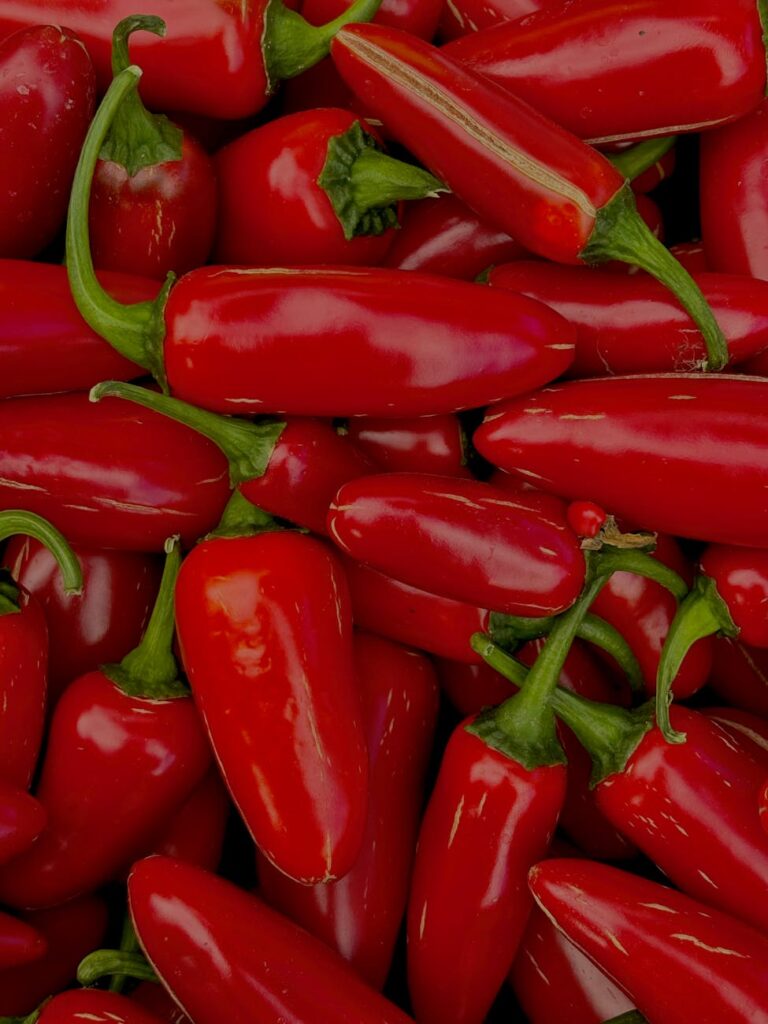
- Color: Fresh jalapeños should have a vibrant green color, indicating ripeness and freshness. Overripe jalapeños may turn red and can have a different flavor profile.
- Firmness: High-quality jalapeños should feel firm to the touch, with no soft spots or blemishes.
- Salsas: Fresh jalapeños provide a spicy kick to salsa, balancing the sweetness of tomatoes and the acidity of lime.
- Stuffed Peppers: Larger jalapeños can be stuffed with cheese, meats, or grains and baked for a delicious appetizer.
- Garnishes: Sliced jalapeños are often used as garnishes for tacos, burgers, and sandwiches, adding both visual appeal and flavor.
- Pickling: Pickled jalapeños serve as a tangy condiment for sandwiches and nachos, enhancing the overall flavor profile.
- Soups and Stews: Chopped jalapeños can add heat and depth to soups and stews, contributing to a more robust flavor.
When purchasing jalapeños, it is advisable to look for peppers that exhibit these qualities to ensure a flavorful and enjoyable culinary experience.
Buying Considerations
When selecting jalapeños, there are several factors to consider to ensure optimal quality and flavor.
Fresh vs. Processed
Fresh jalapeños are ideal for recipes requiring crunch and bright flavor, while processed options, like pickled or dried varieties, add depth and complexity to dishes. Depending on your culinary needs, you may choose one over the other.
Sourcing
Look for jalapeños at local farmers’ markets or reputable grocery stores. Organic options may be available, offering a more sustainable choice. When purchasing packaged jalapeños, examine the ingredient list to avoid additives and preservatives.
Seasonal Availability
Jalapeños are typically in season from late spring to early fall. During this time, they are more likely to be fresher and more flavorful.
Uses and Applications
Jalapeños are incredibly versatile and can be used in a variety of culinary applications. Their heat level makes them suitable for:
Storage and Shelf Life
Proper storage of jalapeños is crucial to maintaining their freshness and flavor. Fresh jalapeños can be stored in the refrigerator, where they can last for about one to two weeks. It is advisable to keep them in a breathable bag to prevent moisture buildup, which can accelerate spoilage.
Freezing
For longer storage, fresh jalapeños can be frozen. It is best to wash and slice them before placing them in airtight containers or freezer bags. Frozen jalapeños can retain their quality for several months, although their texture may change upon thawing.
Dried and Pickled Options
Dried jalapeños should be stored in a cool, dark place and can last for many months if kept in an airtight container. Pick