
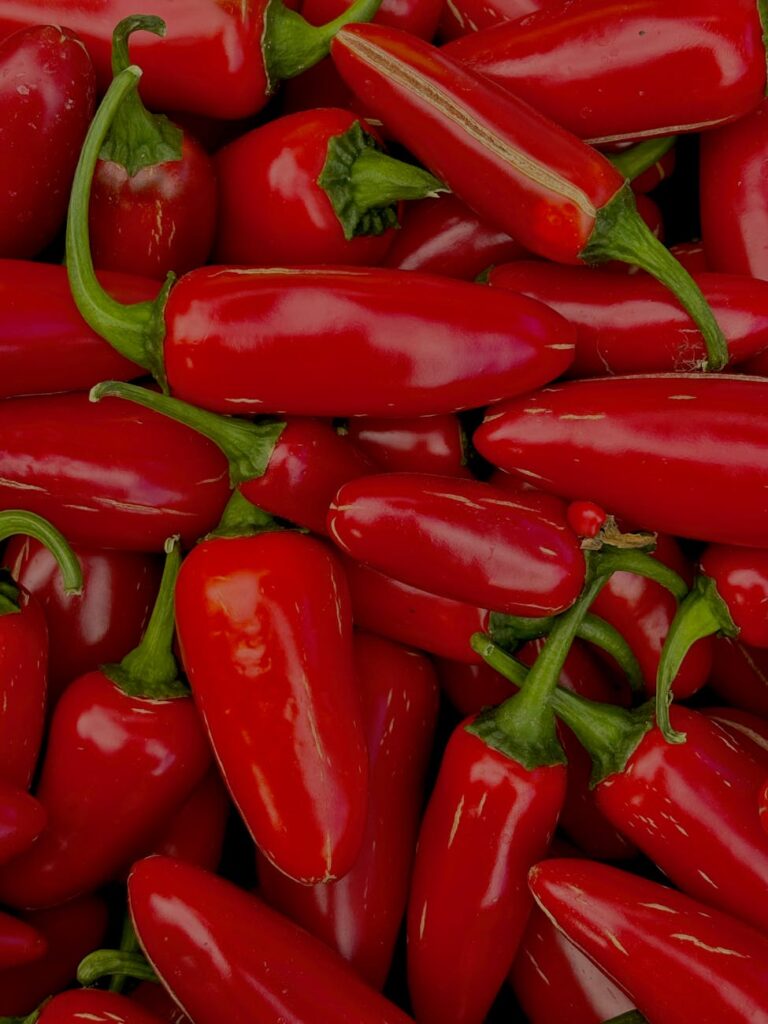
Jalapeño: Origins and Evolution
Introduction
The jalapeño is more than just a popular spicy pepper; it is a culinary staple that has embedded itself into various cuisines around the globe. Renowned for its distinct flavor and moderate heat, the jalapeño pepper has evolved from its humble beginnings in Mesoamerica to become a beloved ingredient in countless dishes worldwide. This article explores the journey of the jalapeño, tracing its origins, production, quality considerations, and its diverse applications in the culinary world.
What Is Jalapeño?
The jalapeño is a medium-sized chili pepper, typically measuring between 2 to 5 inches in length, characterized by its dark green color, smooth skin, and slightly wrinkled surface when dried. Scientifically classified as Capsicum annuum, the jalapeño is a member of the nightshade family, which includes tomatoes, potatoes, and eggplants. Its heat level is measured on the Scoville scale, ranging from 2,500 to 8,000 SHU (Scoville Heat Units), making it a moderate choice for those seeking a touch of spice without overwhelming heat.
History and Origins
The history of the jalapeño can be traced back to the ancient civilizations of Mesoamerica, particularly in the regions that are now Mexico. Archaeological evidence suggests that chili peppers have been cultivated for over 6,000 years, with the jalapeño emerging as a distinct variety in the region around Veracruz. Its name is derived from the town of Xalapa (or Jalapa), where it was first cultivated.
Historically, jalapeños were used not only for flavoring but also for preservation and medicinal purposes. They became integral to traditional Mexican cuisine, appearing in dishes such as salsas, stews, and as a garnish for various meats. The popularity of the jalapeño grew during the Spanish colonization, and it began to spread across the Americas and eventually to other parts of the world.
By the 20th century, jalapeños gained international recognition, particularly in the United States. The pepper became a key ingredient in Tex-Mex cuisine and is now a staple in many American households, often found in nachos, pizzas, and various sauces.
Production and Processing
Jalapeños are primarily grown in Mexico, the United States, and various other countries with suitable climates. The primary growing regions in Mexico include the states of Puebla, Veracruz, and Nuevo León. In the U.S., Texas is the leading producer, followed by California and New Mexico.
The cultivation of jalapeños typically occurs in warm, well-drained soils with full sun exposure. Farmers usually plant seeds in late winter to early spring, with the harvest occurring in late summer to early fall. Jalapeños are typically hand-picked to ensure they are harvested at the right stage of ripeness.
Once harvested, jalapeños can be processed in various ways, including canning, pickling, drying, or roasting. These methods enhance their flavor and extend their shelf life, making them a versatile ingredient in various culinary applications.
Quality and Grading
Quality and grading are essential considerations in the production of jalapeños. Factors that determine the quality of the peppers include size, color, firmness, and absence of blemishes or defects. The U.S. Department of Agriculture (USDA) provides grading standards for jalapeños, categorizing them into two primary grades: U.S. No. 1 and U.S. No. 2.
- U.S. No. 1: These jalapeños are firm, well-formed, and exhibit a deep green color. They are free from damage and have a consistent size, making them the preferred choice for consumers and chefs.
- U.S. No. 2: These peppers may have minor defects, less uniformity in size, or slight discoloration. They are still edible but may not meet the higher aesthetic standards of U.S. No. 1.
- Fresh: Often used in salads, salsas, and as a garnish for tacos or grilled meats.
- Pickled: Commonly found in nachos and sandwiches, pickled jalapeños add a tangy flavor and are a popular condiment.
- Roasted: Roasting jalapeños can enhance their natural sweetness, making them a popular addition to dips and spreads.
- Dried: When dried, jalapeños become chipotle peppers, which are essential in many Mexican dishes, imparting a smoky flavor.
- Sauces: Jalapeños are a key ingredient in
When purchasing jalapeños, consumers are encouraged to look for peppers that are firm, glossy, and vibrant in color. Freshness is key, as older peppers may lose their flavor and heat.
Buying Considerations
When buying jalapeños, several factors should be considered to ensure the best quality and flavor:
1. Freshness: Look for peppers that are firm and unblemished. The skin should be shiny and free from wrinkles or soft spots.
2. Color: A deep green color usually indicates ripeness. While ripe jalapeños may turn red, green jalapeños are often preferred for their crispness and flavor.
3. Heat Level: While jalapeños are generally known for their moderate heat, individual peppers can vary significantly. If heat level is a concern, it is advisable to taste a small piece before using them in a dish.
4. Source: Purchasing from local farmers’ markets can not only support local agriculture but also provide fresher options.
5. Packaging: If buying packaged jalapeños, check for the harvest date and look for signs of damage or dehydration.
Uses and Applications
Jalapeños are incredibly versatile and can be used in a variety of culinary contexts: