
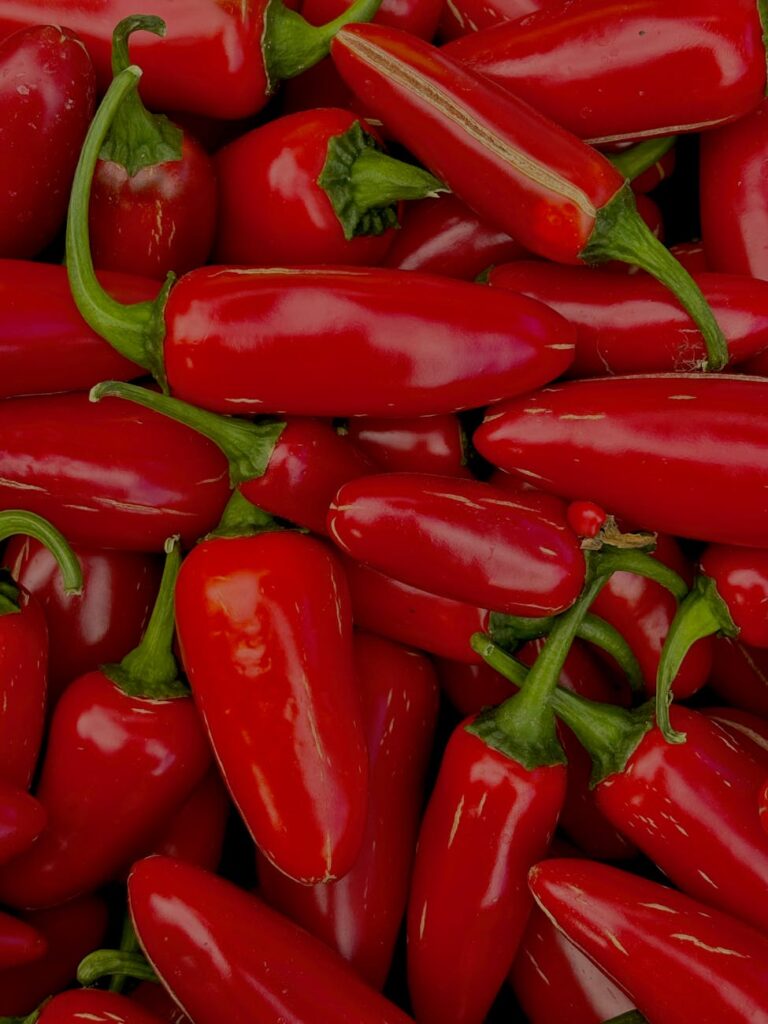
Jalapeño Regions Guide Part 6
Introduction
The jalapeño pepper, renowned for its vibrant flavor and moderate heat, has transcended its humble origins to become a global culinary staple. Understanding the regions where jalapeños thrive helps in appreciating the complexities of this versatile ingredient. This guide provides a comprehensive overview of the various regions involved in the cultivation, production, and distribution of jalapeños, as well as insights into their quality, uses, and storage.
What Is Regions?
In the context of food ingredients, “regions” refers to geographical areas characterized by specific climatic, soil, and agricultural practices that influence the growth and quality of a particular ingredient. For jalapeños, these regions are not only significant in terms of cultivation but also play a crucial role in defining the flavor profiles and characteristics of the peppers produced.
History and Origins
Jalapeños trace their origins to Mexico, specifically the city of Jalapa in the Veracruz state. This pepper has been cultivated for centuries, with records dating back to the Aztec civilization. Initially, jalapeños were used primarily for their flavor and as a means of preservation. The heat level of jalapeños has been honed over generations, leading to variations such as the milder “jalapeño dulce.”
As globalization increased, the jalapeño’s popularity spread beyond Mexico. By the late 20th century, jalapeños became a staple in American cuisine, particularly in Tex-Mex dishes. Today, they are cultivated in various regions across the world, adapting to local climates while retaining their unique characteristics.
Production and Processing
Jalapeños thrive in warm climates with well-drained soil and ample sunlight. The main regions for jalapeño production include:
1. Mexico: The heartland of jalapeño cultivation, particularly in states like Veracruz, Puebla, and Nuevo León. These areas benefit from volcanic soil, which is rich in nutrients, enhancing the flavor and heat of the peppers.
2. United States: Texas is the largest producer in the U.S., particularly in the Rio Grande Valley. California and New Mexico are also notable for their jalapeño production. These states have adapted their agricultural practices to optimize yield and quality.
3. Central and South America: Countries like Guatemala and Honduras have begun cultivating jalapeños, leveraging their favorable climates and soil conditions.
The processing of jalapeños involves several methods, including fresh consumption, pickling, and drying. Fresh jalapeños are often sold in markets, while pickled versions are common in cuisines around the world. Dried jalapeños, such as chipotles, are also a popular ingredient, enhancing dishes with a smoky flavor.
Quality and Grading
The quality of jalapeños is determined by several factors, including size, shape, color, and firmness. In commercial markets, jalapeños are often graded based on these criteria.
- Size: Premium jalapeños typically weigh between 1 and 2 ounces and are around 2 to 6 inches long.
- Color: Fresh jalapeños should have a vibrant green color, although they can also be harvested when they ripen to red, which indicates a higher sugar content.
- Firmness: A quality jalapeño should be firm to the touch, indicating freshness and proper handling.
- Fresh: Sliced raw, jalapeños add a spicy kick to salads, salsas, and sandwiches. They are often used in guacamole or as a topping for tacos and nachos.
- Pickled: Pickled jalapeños are a popular condiment, enhancing the flavor of dishes such as tacos, burritos, and sandwiches.
- Dried: Dried jalapeños, often ground into powder or smoked to create chipotle, are used in sauces, marinades, and spice blends.
- Cooked: Jalapeños can be roasted, grilled, or sautéed, bringing out their sweetness and reducing their heat. They are often featured in soups, stews, and casseroles.
- Fresh Jalapeños: Store fresh jalapeños in a paper bag or a perforated plastic bag in the refrigerator. They can last for about one to two weeks when stored correctly. Avoid washing them before storage, as moisture can lead to spoilage.
- Pickled Jalapeños: Once opened, pickled jalapeños should be refrigerated and can last for several months due to
In the U.S., the United States Department of Agriculture (USDA) provides guidelines for grading peppers, ensuring that consumers receive high-quality products.
Buying Considerations
When purchasing jalapeños, several factors should be taken into account to ensure optimal flavor and quality:
1. Appearance: Look for firm, smooth-skinned peppers with a rich green color. Avoid those with blemishes, wrinkles, or soft spots, as these may indicate spoilage.
2. Size and Shape: Choose peppers that are plump and have a consistent shape. Irregularly shaped jalapeños may suggest uneven growth conditions.
3. Origin: Understanding the region of origin can provide insights into the flavor profile. Jalapeños from different areas may have distinct characteristics due to variations in climate and soil.
4. Freshness: Fresh jalapeños have a crisp texture and a strong aroma. If possible, buy from local farmers’ markets or reputable grocery stores that prioritize fresh produce.
5. Organic vs. Conventional: Consider whether you prefer organic jalapeños, which are grown without synthetic pesticides or fertilizers, or conventional options, which may be more widely available and less expensive.
Uses and Applications
Jalapeños are incredibly versatile and can be used in a myriad of culinary applications:
Storage and Shelf Life
Proper storage is crucial for maintaining the freshness and quality of jalapeños: