
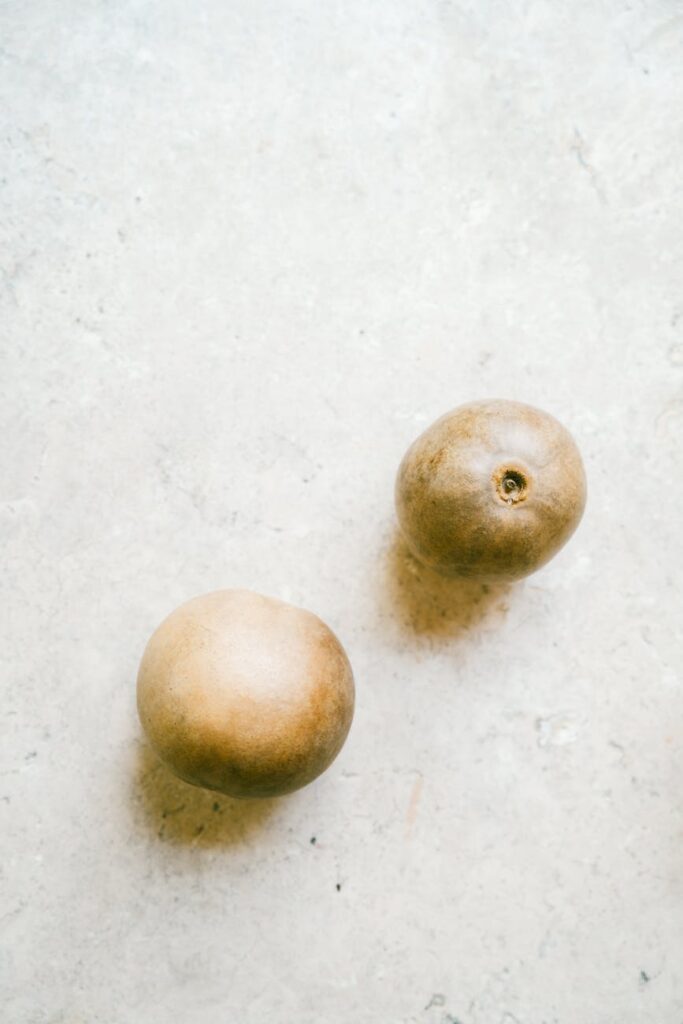
Jicama Buying Guide Part 6
Introduction
Jicama, a root vegetable native to Mexico, has garnered attention in culinary circles for its crunchy texture and subtly sweet, nutty flavor. As more consumers seek out fresh, versatile ingredients for their meals, understanding how to buy jicama becomes essential. This guide delves into the intricate aspects of purchasing jicama, offering insights into its history, production, grading, and practical considerations for ensuring you select the best specimen for your needs.
What Is Buying?
Buying, in the context of food ingredients, refers to the process of selecting and acquiring food items based on various criteria such as quality, freshness, and intended use. For jicama, this means understanding the characteristics that define a good quality product, being aware of the different sourcing options available, and knowing how to make informed decisions that align with your culinary objectives.
History and Origins
Jicama, scientifically known as Pachyrhizus erosus, is believed to have originated in Central America, particularly in Mexico, where it has been cultivated for centuries. The word “jicama” comes from the Nahuatl word “xicama,” which means “water root.” The vegetable was highly valued by ancient Aztec civilizations for its nutritional benefits and refreshing qualities in warm climates. Today, jicama is grown in various regions around the world, including South America, Asia, and the United States, making it a global staple in salads, dips, and stir-fries.
Production and Processing
Jicama thrives in warm climates and requires well-drained soil to grow optimally. It is typically planted in the spring and harvested in the fall, with a growing period of approximately 4 to 6 months. Farmers often utilize sustainable agricultural practices to cultivate jicama, as the plant is relatively pest-resistant, reducing the need for chemical interventions.
Once harvested, jicama undergoes a processing phase that includes washing and sorting before it reaches the market. It is essential that jicama is handled carefully during this stage to prevent bruising, which can compromise its quality. After processing, jicama is packaged for distribution, often in bulk for commercial buyers or in smaller packages for retail environments.
Quality and Grading
When it comes to jicama, quality is paramount. The grading system for jicama is not as formalized as it is for other produce, but several key indicators can help you assess its quality:
- Skin Texture: High-quality jicama has smooth, firm skin without blemishes, cuts, or soft spots. The skin should be light brown and free from any signs of decay.
- Weight: A good jicama feels heavy for its size, indicating that it is full of water content. Lighter specimens may be dehydrated or past their prime.
- Shape: Jicama should have a round or oval shape, indicating that it has grown uniformly. Irregular shapes may suggest inconsistent growing conditions.
- Firmness: When you press on the surface, it should feel hard and solid. Any signs of yielding can indicate overripeness or spoilage.
- Salads and Slaws: Jicama adds a refreshing crunch to salads, pairing well with citrus dressings and other fresh vegetables.
- Dips: Sliced jicama can serve as a healthy alternative to chips for dipping in guacamole, salsa, or hummus.
- Stir-Fries: When cooked, jicama retains its texture while absorbing flavors from other ingredients, making it an excellent addition to stir-fries and sautés.
- Soups: Jicama can be diced and added to soups for added texture and nutrition.
- Temperature: Store jicama in a cool, dark place, ideally at temperatures between 50°F and 60°F. A root cellar or a cool pantry works well.
- Moisture: Avoid refrigeration, as excessive moisture can lead to mold and spoilage. If you must refrigerate it, place it in a perforated plastic bag to allow for air circulation.
- Shelf Life: When stored correctly, jicama can last for several weeks. However, once cut, it should be consumed within a few days to prevent browning and loss of texture.
Buying Considerations
When purchasing jicama, several factors should influence your decision:
Freshness
Look for jicama that has been recently harvested. Freshness is crucial for maintaining the vegetable’s crunch and flavor. If possible, buy from local farmers’ markets or reputable grocery stores that prioritize fresh produce.
Size
Jicama can vary in size, with some weighing over five pounds while others may be as small as a grapefruit. Smaller jicama tends to be sweeter and more tender, making them an excellent choice for salads or raw dishes. Larger jicama may require longer cooking times and are better suited for stir-frying or roasting.
Seasonality
Jicama is typically in season from late fall to early spring, depending on the region. Buying in-season jicama ensures better flavor and texture. When purchasing off-season, be cautious, as out-of-season jicama may be less flavorful and more prone to spoilage.
Organic vs. Conventional
Consider whether you prefer organic jicama, which is grown without synthetic pesticides and fertilizers. While organic jicama can be more expensive, many consumers opt for it due to concerns about chemical residues and environmental impact. Always check for certification labels if you choose organic options.
Uses and Applications
Jicama is an incredibly versatile ingredient used in various culinary applications. Its crisp texture and mild flavor make it suitable for both raw and cooked dishes. Common uses include:
Storage and Shelf Life
To maintain the quality of jicama after purchase, proper storage is essential: