
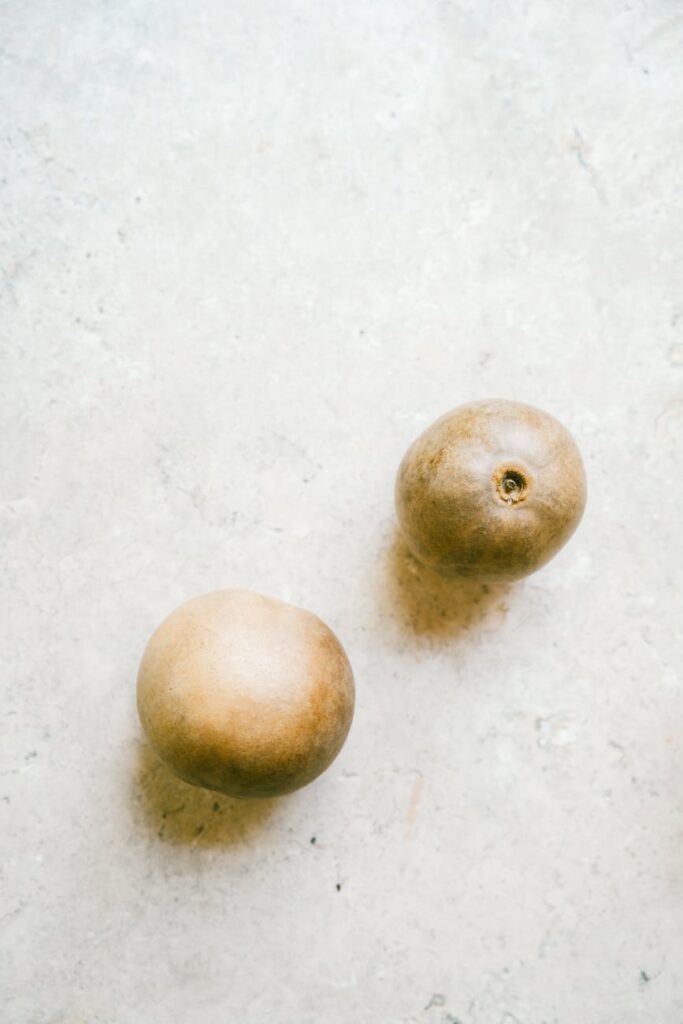
Jicama Cultivation Explained
Introduction
Jicama, also known as Mexican turnip or Mexican yam bean, is a crisp, edible tuber that has captured the interest of culinary enthusiasts and health-conscious consumers alike. Native to Central America, this versatile ingredient has been embraced globally, not only for its distinct flavor profile but also for its nutritional benefits. Understanding jicama cultivation is essential for growers, chefs, and food enthusiasts who wish to appreciate its journey from farm to table. This article aims to delve into the intricate processes involved in cultivating jicama, encompassing everything from its historical roots to its post-harvest processing.
What Is Growing?
Growing refers to the process of cultivating plants in a controlled environment to encourage their development. In the context of jicama, this involves selecting suitable planting sites, preparing the soil, planting the seeds or tubers, managing the crop through its growth stages, and ultimately harvesting the produce. Each phase requires specific techniques and knowledge to maximize yield and quality.
History and Origins
Jicama’s story begins in the pre-Columbian era, where it was cultivated by indigenous peoples in Mexico and Central America. The plant was valued not only for its edible tuber but also for its adaptability to various growing conditions. Historical accounts suggest that jicama was introduced to Asia, particularly the Philippines and Indonesia, by Spanish colonizers, where it subsequently became a staple in local cuisines.
The scientific name for jicama is Pachyrhizus erosus, and it belongs to the legume family, Fabaceae. Interestingly, while the tuber is consumed, the foliage and seeds of the plant are toxic and should not be ingested. This dual nature emphasizes the importance of proper cultivation and handling practices.
Production and Processing
Planting
Jicama is typically planted in the spring, as it thrives in warm weather conditions. The seeds or tubers should be sown in well-drained, sandy loam soil enriched with organic matter. Ideal soil pH ranges from 6.0 to 7.0. Jicama plants require full sun exposure for optimal growth, and spacing should be maintained to allow for ample air circulation to prevent fungal diseases.
Growth Stages
Jicama plants generally take about 4 to 6 months to mature. The growing process can be divided into several stages:
1. Germination: Seeds germinate within 7 to 14 days under optimal conditions. Adequate moisture is crucial during this phase.
2. Vegetative Growth: The plant develops vines and leaves. This stage requires regular watering and nutrient management, particularly nitrogen, phosphorus, and potassium.
3. Tuber Formation: After approximately 3 months, tuber formation begins. Proper irrigation and soil moisture levels are vital to ensure healthy tuber development.
4. Maturation: The tubers mature over the next several weeks. Signs of readiness include yellowing of the leaves and wilting.
Harvesting
Harvesting jicama is typically done by hand to avoid damaging the tubers. It is essential to use a spade or fork to gently lift the tubers from the soil, taking care not to bruise them. Harvesting should ideally occur before the first frost, as cold temperatures can adversely affect the quality of the tubers.
Quality and Grading
The quality of jicama is assessed based on several factors, including size, color, and firmness. High-quality jicama is typically firm, smooth-skinned, and free from blemishes or soft spots. The grading process may involve categorizing jicama into different sizes for marketability, with larger tubers often fetching higher prices.
Buying Considerations
When purchasing jicama, consider the following factors:
1. Freshness: Look for firm tubers with a smooth surface. Avoid those with wrinkles, blemishes, or soft spots.
2. Size: Jicama is available in various sizes; larger tubers tend to have a sweeter flavor, while smaller ones may be crisper.
3. Storage: Ensure that the jicama has been stored properly, ideally in a cool, dry place.
4. Source: Opt for locally grown produce when possible, as it tends to be fresher and more flavorful.
Uses and Applications
Jicama is an incredibly versatile ingredient that can be used in various culinary applications. Its crisp texture and mildly sweet flavor make it suitable for raw and cooked dishes. Common uses include:
- Salads: Jicama adds crunch and nutrition to salads, pairing well with citrus dressings.
- Snacks: Cut into sticks or slices, jicama can be enjoyed raw with dips or seasonings.
- Stir-fries: When cooked, jicama retains its crunch, making it an excellent addition to stir-fried dishes.
- Salsas: Diced jicama can add a refreshing element to salsas, complementing the heat of peppers.
Storage and Shelf Life
Proper storage is crucial for maintaining the quality of jicama. When stored in a cool, dry place away from direct sunlight, jicama can last for several weeks. Refrigeration can extend its shelf life even further, although it is advisable to keep it unpeeled until ready for use. Avoid storing jicama in plastic bags, as this can lead to moisture buildup and spoilage.
Common Misconceptions
Despite its popularity, there are several misconceptions surrounding jicama:
1. Jicama is a Root Vegetable: While jicama is often categorized as a root vegetable, it is technically a tuber. This distinction is important in understanding its growth and culinary applications.
2. All Parts of the Plant are Edible: Only the