
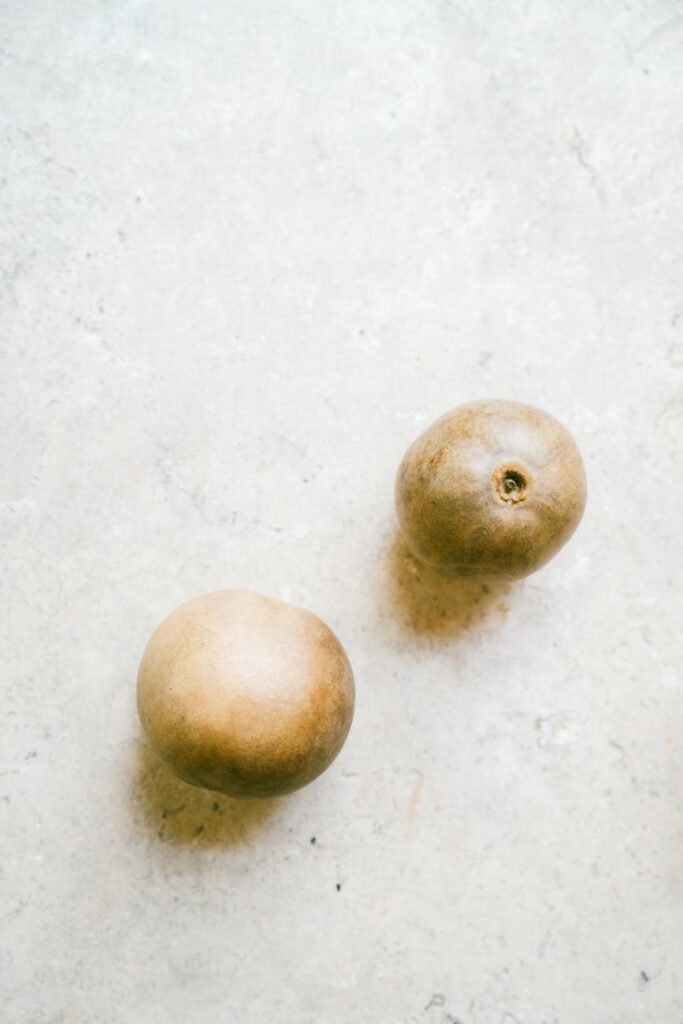
Jicama Regions Guide Part 6
Introduction
Jicama, known scientifically as Pachyrhizus erosus, is a root vegetable celebrated for its crisp texture and mildly sweet flavor. Often likened to the taste of a water chestnut, jicama has gained popularity in various culinary traditions worldwide. This article delves into the regional aspects of jicama, exploring its history, production, quality grading, and its multifaceted uses. By understanding the regions associated with jicama, we can appreciate its global significance and culinary versatility.
What Is Regions?
In the context of food ingredients, “regions” refers to the geographical areas where certain crops are cultivated, processed, and consumed. Each region imparts unique characteristics to the ingredient based on factors such as climate, soil type, and cultural practices. For jicama, its regions of origin and cultivation are pivotal to understanding its qualities, flavor profiles, and culinary applications.
History and Origins
Jicama’s journey began in Central America, where it was cultivated by indigenous peoples for centuries. Archaeological evidence suggests that jicama was domesticated in the region now known as Mexico, where it thrived in the warm, tropical climate. The plant is part of the legume family, yet it bears a tuberous root that is edible.
Spanish colonizers encountered jicama in the 16th century, bringing it back to Europe and eventually introducing it to Asia. Today, jicama is widely grown not only in its native regions but also in countries like the Philippines, Vietnam, and parts of the southern United States. Its adaptability to various climates has contributed to its global spread and culinary significance.
Production and Processing
Jicama prefers well-drained, sandy loam soils and thrives in regions with a warm climate. It is typically grown from seed or cuttings and requires a growing period of approximately five to nine months. The ideal conditions for jicama cultivation are temperatures between 65°F and 85°F (18°C and 29°C).
In terms of production, Mexico remains the leading producer of jicama, accounting for a significant share of global output. Other notable producers include the United States, particularly California and Texas, as well as countries in Central and South America.
Once harvested, jicama undergoes minimal processing. It is typically cleaned, peeled, and packaged for distribution. While jicama is often consumed raw, it can also be cooked, though its crisp texture is best preserved when enjoyed fresh.
Quality and Grading
Quality grading for jicama is essential to ensure that consumers receive a product that meets their expectations. Factors such as size, weight, appearance, and texture play a crucial role in determining the overall quality.
- Size and Weight: Premium jicama typically ranges from 1 to 2 pounds (450 to 900 grams) in weight. Smaller or larger specimens may be deemed less desirable.
- Appearance: The skin should be smooth and free of blemishes, cuts, or soft spots. A dull skin indicates over-maturity, while a shiny surface often suggests that the jicama is not fully ripe.
- Texture: High-quality jicama should feel firm and dense. A soft or spongy texture is indicative of deterioration.
- Freshness: Look for jicama that is firm to the touch with minimal blemishes. Avoid any that feel soft or show signs of sprouting.
- Skin Color: The skin should be a light tan to beige color. Darker spots or discoloration can suggest spoilage.
- Size: Choose jicama that matches your intended use. Smaller jicama are often sweeter, while larger ones can be starchier.
- Availability: Jicama is typically available year-round in grocery stores, but peak season may vary by region. In the U.S., it is often most abundant from late fall to early spring.
- Jicama is a potato: While both are tubers, jicama and potatoes belong to different families and have notably different flavors and textures. Jicama is crisp and sweet, whereas potatoes are starchy and earthy.
Grading systems may vary by region, but these general criteria serve as guidelines for both producers and consumers in assessing the quality of jicama.
Buying Considerations
When purchasing jicama, consumers should keep several key considerations in mind to ensure they select the best quality:
Uses and Applications
Jicama’s versatility makes it a valuable ingredient in various culinary applications. It can be enjoyed raw, cooked, or pickled, making it a staple in salads, slaws, and stir-fries. Its crisp texture adds a refreshing crunch to dishes, while its mild flavor allows it to blend seamlessly with a variety of ingredients.
In Mexican cuisine, jicama is often served as a crunchy, healthy snack, sliced and sprinkled with lime juice, chili powder, or salt. In Asian cuisine, it can be incorporated into stir-fries or salads, adding both texture and nutrition. Jicama can also be juiced or blended into smoothies, providing a hydrating and nutritious addition to beverages.
Storage and Shelf Life
To maintain its freshness, jicama should be stored in a cool, dry place away from direct sunlight. Ideally, it should be kept in the refrigerator, where it can last for up to two weeks. When storing jicama, it is advisable to keep it unpeeled until ready to use, as peeling can accelerate spoilage.
For longer-term storage, jicama can be cut into pieces and frozen. However, freezing may alter its texture, making it best suited for cooked applications after thawing.
Common Misconceptions
Despite its growing popularity, jicama is often misunderstood. Here are a few common misconceptions: