
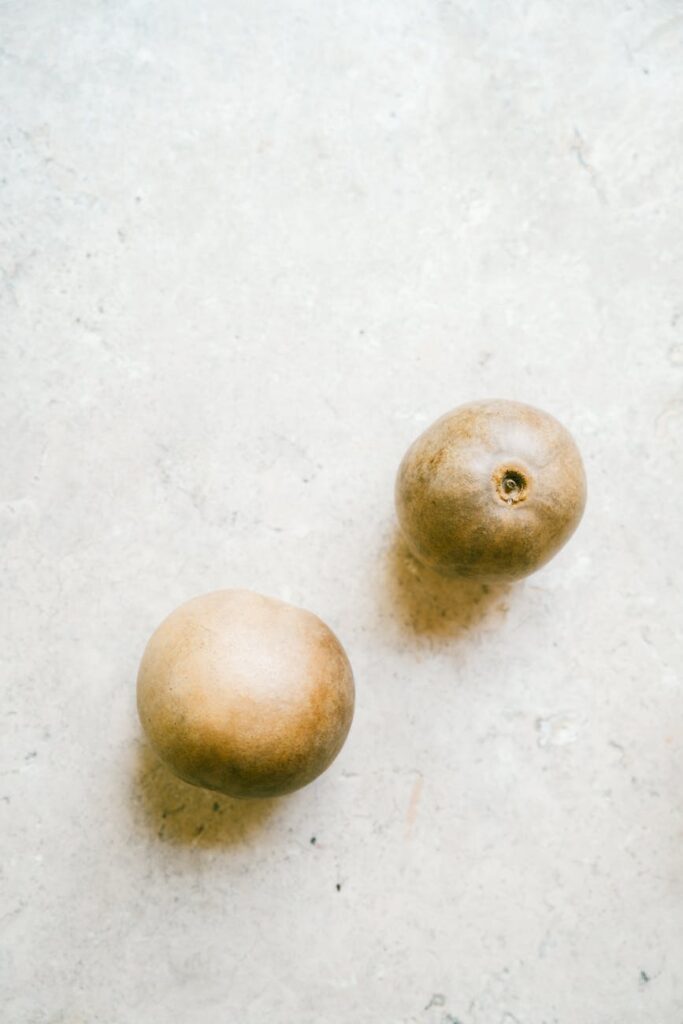
Jicama Uses Guide Part 6
Introduction
Jicama, often referred to as the Mexican turnip or Mexican yam bean, is a versatile root vegetable known for its crisp texture and mildly sweet flavor. This guide delves into the myriad uses of jicama, exploring its culinary applications, historical significance, and considerations for purchasing and storage. As more chefs and home cooks embrace jicama for its unique qualities, understanding its full potential becomes increasingly valuable.
What Is Uses?
The term “uses” encompasses the various ways in which an ingredient can be utilized in culinary practices, including its incorporation into dishes, its nutritional benefits, and its suitability for specific dietary needs. Jicama is not merely a component in salads; its unique properties make it an asset in a multitude of culinary applications, ranging from snacks and sides to garnishes and main ingredients.
History and Origins
Jicama originates from Central America and Mexico, where it has been cultivated for centuries. The plant, scientifically known as Pachyrhizus erosus, belongs to the legume family and is characterized by its bulbous root. Historically, jicama was introduced to the Philippines by Spanish explorers in the 16th century and has since spread to various parts of the world, including Asia and the southern United States.
The indigenous peoples of Mexico utilized jicama not only for sustenance but also as a source of hydration due to its high water content. Its mild flavor and crunchy texture made it a staple in traditional dishes, while its adaptability has allowed it to find a place in modern cuisine across different cultures.
Production and Processing
Jicama is primarily grown in tropical and subtropical climates, thriving in well-drained soils with ample sunlight. The plant requires a growing season of approximately six to nine months, after which the roots are harvested. The harvesting process is labor-intensive, as the roots must be carefully dug out to avoid damage.
After harvesting, jicama undergoes minimal processing. It is typically washed and may be peeled before being sold in fresh markets. In some cases, jicama is dehydrated or canned for extended shelf life, though fresh jicama is often preferred for its superior texture and flavor.
Quality and Grading
When selecting jicama, quality is paramount. Fresh jicama should feel firm and heavy for its size, with smooth, unblemished skin. The absence of soft spots or cracks is crucial, as these can indicate spoilage. The root should also have a light brown to tan color, devoid of any signs of mold or excessive wrinkling.
Grading systems for jicama may vary by region but generally focus on size, weight, and appearance. Higher-grade jicama is sought after for culinary applications, as it offers the best flavor and texture. Specialty markets may provide organic options, which can appeal to health-conscious consumers.
Buying Considerations
When purchasing jicama, it is essential to consider the following factors:
1. Freshness: Always opt for firm, heavy roots. Avoid any that exhibit signs of decay.
2. Size and Shape: Jicama comes in various sizes. Larger roots may be more fibrous, while smaller ones tend to be sweeter and crisper.
3. Source: Consider buying from local farmers’ markets or reputable grocery stores that prioritize fresh produce.
4. Organic vs. Conventional: Organic jicama may be grown without synthetic pesticides or fertilizers, which could be a priority for some consumers.
5. Seasonality: Jicama is typically available year-round, but sourcing during peak season can enhance quality.
Uses and Applications
Jicama’s unique texture and flavor lend themselves to a variety of culinary uses:
1. Raw Snacks and Salads
Jicama is often enjoyed raw, sliced into sticks or rounds and served with dips such as hummus or guacamole. Its crispness adds a refreshing element to salads, making it a popular choice in slaws and mixed greens.
2. Culinary Ingredient
In addition to salads, jicama can be incorporated into stir-fries, tacos, and grain bowls. Its ability to absorb flavors makes it a versatile ingredient in savory dishes.
3. Garnish
Jicama’s aesthetic appeal and crunch make it an ideal garnish for various dishes. It can be julienned or carved into shapes to enhance the presentation of plates.
4. Fermentation
The fermentation of jicama is an emerging trend, as its natural sugars can be transformed into probiotic-rich foods. Fermented jicama can add a tangy crunch to salads and serves as a healthful condiment.
5. Beverages
Jicama juice is gaining popularity in health-focused beverages. Mixed with citrus or other fruits, jicama juice can provide a refreshing, hydrating drink.
6. Dried Snacks
Dehydrated jicama chips are becoming a popular alternative to traditional potato chips. They can be seasoned and enjoyed as a crunchy snack while offering a healthier option.
Storage and Shelf Life
Proper storage is crucial to maintaining jicama’s quality. Store fresh jicama in a cool, dry place, ideally in a perforated plastic bag in the refrigerator. Under these conditions, jicama can last for several weeks.
Once cut, jicama should be wrapped tightly in plastic or kept in an airtight container and consumed within a few days to prevent spoilage. Jicama can also be frozen, though this may alter its texture. For freezing, it is advisable to blanch the jicama briefly before freezing to preserve its quality.
Common Misconceptions
Despite its increasing popularity, several misconceptions about jicama persist:
- Misconception 1: Jicama is