
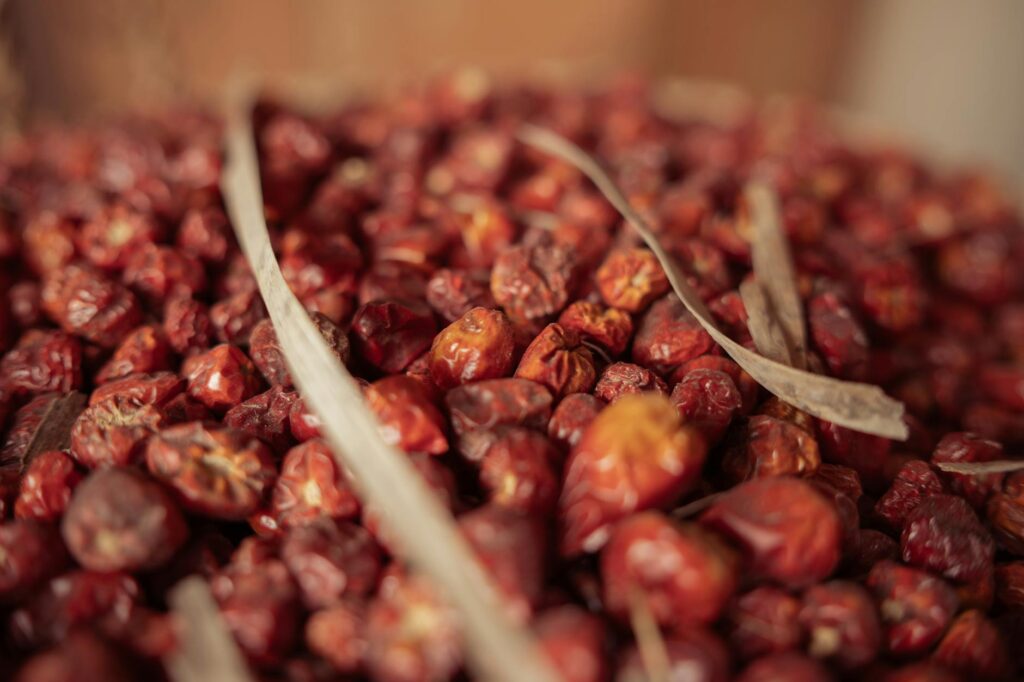
Jujube About Guide Part 6
Introduction
Jujube, scientifically known as Ziziphus jujuba, is a fruit-bearing tree native to Asia and widely cultivated for its sweet, chewy fruits. Often referred to as “red dates,” jujubes have gained popularity not only for their unique flavor but also for their versatility in culinary applications. This guide delves into the multifaceted aspects of jujube, including its history, production, quality standards, and various uses.
What Is Jujube?
Jujube is a deciduous tree that can grow up to 10 meters tall, characterized by its thorny branches and small, oval leaves. The fruit can be consumed fresh or dried and is recognized for its dark brown or reddish skin, which encases a single hard seed. The flesh is sweet and has a texture reminiscent of dates, making jujubes a popular ingredient in desserts, snacks, and traditional medicines across various cultures.
History and Origins
The jujube tree has a rich history that dates back thousands of years. It is believed to have originated in the region extending from the Mediterranean to East Asia. Archaeological evidence suggests that jujubes have been cultivated in China since at least 9000 BCE, making them one of the oldest cultivated fruits.
In ancient China, jujubes were prized not only for their flavor but also for their supposed health benefits. They were commonly used in traditional medicine and were often associated with longevity and vitality. The fruit made its way along trade routes to other parts of Asia, the Middle East, and eventually Europe and North America, where it has found a place in various culinary traditions.
Production and Processing
Cultivation
Jujube trees thrive in a variety of soil types, though they prefer well-drained, sandy loam. These trees are drought-resistant once established, making them suitable for cultivation in arid regions. The trees typically begin to bear fruit after 3 to 5 years, and they can produce fruit for several decades.
Harvesting
Jujubes are harvested in late summer to early fall when the fruits have reached their peak sweetness. They can be picked while still green and allowed to ripen off the tree, or they can be harvested fully ripe, depending on the desired end-use.
Processing
After harvesting, jujubes can be processed in several ways. Fresh fruits may be sold directly in markets, while dried jujubes are often prepared for longer shelf life. The drying process typically involves sun-drying or using dehydrators, which concentrates the sugars and flavors, resulting in a chewy, caramel-like texture.
Quality and Grading
The quality of jujubes is assessed based on several factors, including size, color, texture, and moisture content. Grading standards can vary by region, but generally, high-quality jujubes should exhibit:
- Uniform Color: A deep brown or reddish hue indicates ripeness.
- Firm Texture: The fruit should be plump and free from blemishes.
- Sweet Aroma: A sweet, fruity smell suggests good flavor.
- Fresh vs. Dried: Determine whether you need fresh jujubes for immediate consumption or dried ones for storage or cooking.
- Source: Look for reputable suppliers, as quality can vary significantly. Local markets may offer fresher options than mass-produced varieties.
- Appearance: For fresh jujubes, select fruits that are firm and free of blemishes. Dried jujubes should be plump and chewy, not overly hard or shriveled.
- Organic Options: If you prefer pesticide-free produce, look for organically certified jujubes.
- Snacks: Dried jujubes serve as a nutritious snack, often enjoyed on their own or mixed with nuts and seeds.
- Beverages: In some cultures, jujubes are used to make teas and infusions, prized for their soothing properties.
- Culinary Dishes: Jujubes can be added to salads, stir-fries, and grain dishes, providing a natural sweetness and chewy texture.
- Traditional Medicine: While not to be used as medical advice, jujubes have traditionally been included in herbal remedies aimed at promoting overall wellness.
In commercial markets, jujubes are often classified into grades, with higher grades commanding better prices.
Buying Considerations
When purchasing jujubes, consider the following factors:
Uses and Applications
Jujubes are incredibly versatile and have a wide range of culinary applications:
Storage and Shelf Life
Fresh Jujubes
Fresh jujubes should be stored in a cool, dry place. Refrigeration can extend their shelf life, typically allowing them to remain fresh for up to two weeks. However, they are best consumed shortly after purchase to enjoy optimal flavor and texture.
Dried Jujubes
Dried jujubes, when stored in an airtight container in a cool, dark place, can last for several months. If vacuum-sealed, they may last even longer. It is advisable to check for any signs of spoilage, such as an off smell or unusual texture, before consumption.
Common Misconceptions
Jujubes Are Dates
One common misconception is that jujubes are the same as dates. While both fruits are sweet and chewy, they are distinct species. Dates come from the Phoenix dactylifera tree and have a different flavor profile and texture compared to jujubes.
Jujubes Are a Modern Discovery
Many people may believe that jujubes are a recent addition to the culinary world. In reality, their cultivation and use date back thousands of years, particularly in Asian cultures.
Jujubes Are Only for Desserts
While jujubes are frequently used in sweet dishes, their flavor