
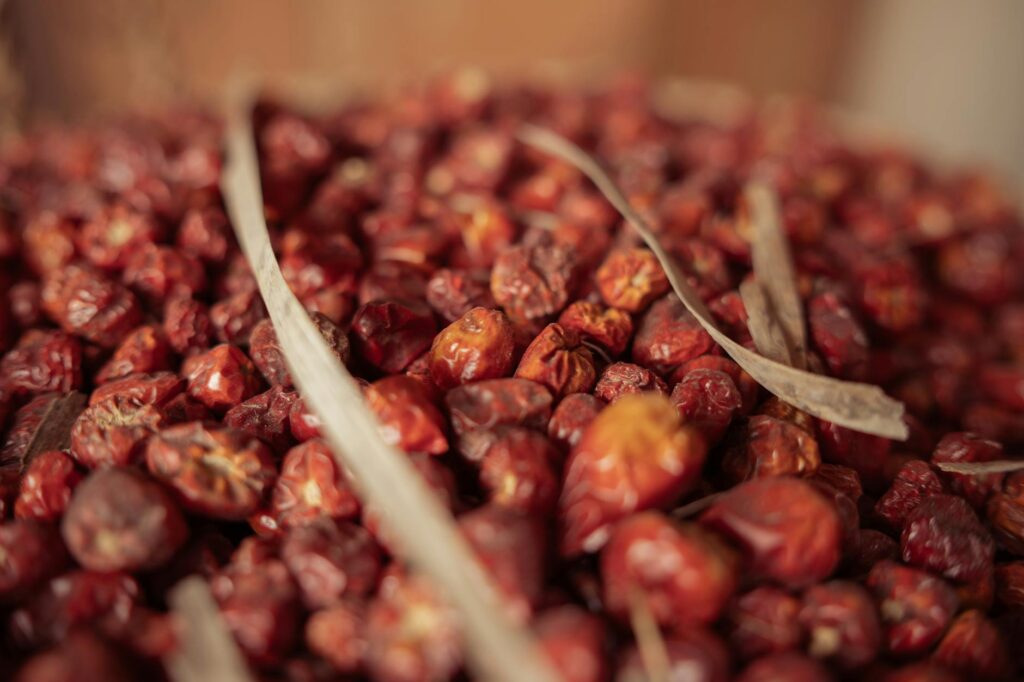
Jujube FAQs Answered
Introduction
Jujube, often referred to as Chinese date, is a fruit that has captured the interest of food enthusiasts, health-conscious individuals, and culinary professionals alike. With its unique flavor profile and impressive nutritional benefits, jujube is celebrated across various cultures. This article aims to provide comprehensive insights into jujube, covering its history, production, quality assessment, and more.
What Is Jujube?
Jujube (Ziziphus jujuba) is a deciduous tree native to Asia, known for its small, sweet, and chewy fruits. The jujube fruit comes in a variety of shapes, sizes, and colors, ranging from yellow to dark red, and is often enjoyed fresh, dried, or processed into a variety of products. Its sweetness and texture make it a popular choice in both savory and sweet dishes, as well as in traditional herbal remedies.
History and Origins
Jujube has a rich history that dates back thousands of years. It is believed to have originated in the regions of the Middle East and Mediterranean. Historical texts suggest that the jujube tree was cultivated in ancient China as early as 4000 BC. Over the centuries, it spread to various parts of Asia, Europe, and eventually the Americas, where it adapted to different climates and soils.
In traditional Chinese culture, jujube holds significant symbolic meaning, often associated with good fortune, prosperity, and fertility. The fruit has been used not only as a food source but also in traditional medicine, where it is valued for its purported calming properties.
Production and Processing
The cultivation of jujube requires specific climatic conditions, thriving in areas with hot summers and well-drained soil. Major producers include China, Korea, and the United States, with China being the largest producer by far. The jujube tree is relatively hardy, requiring minimal maintenance, which makes it an attractive choice for farmers.
Once harvested, jujubes undergo various processing methods to enhance their shelf life and flavor. Common methods include drying, which intensifies the sweetness and preserves the fruit for extended periods. Dried jujubes are often used in teas, snacks, and desserts, while fresh jujubes are enjoyed for their crisp texture and sweetness.
Quality and Grading
Quality assessment of jujubes involves several factors, including size, color, firmness, and sugar content. Fresh jujubes should be plump and firm, with a vibrant color indicative of ripeness. For dried jujubes, quality is determined by moisture content, texture, and absence of blemishes or mold.
Grading systems may vary by region, but generally, jujubes are categorized into different grades based on these quality factors. Higher grades command better prices in the market, reflecting their superior attributes.
Buying Considerations
When purchasing jujubes, it’s essential to consider several factors to ensure you select the best quality fruit.
1. Fresh vs. Dried: Decide whether you want fresh jujubes, which are best enjoyed when in season, or dried ones, which are available year-round. Fresh jujubes have a crisp texture, while dried ones are chewy and sweet.
2. Source: Opt for reputable suppliers or markets that specialize in Asian foods or organic products. This helps ensure the fruit is of high quality and has been handled appropriately.
3. Appearance: For fresh jujubes, look for firm fruits without bruises or soft spots. Dried jujubes should be plump and free from any signs of mold or excessive dryness.
4. Packaging: For dried varieties, check the packaging for information regarding moisture content and added preservatives. Ideally, choose products with minimal processing.
Uses and Applications
Jujube’s versatility extends across culinary and non-culinary applications. In the kitchen, fresh jujubes can be sliced and added to salads, smoothies, or enjoyed as a snack. Dried jujubes are often incorporated into trail mixes, granola, or used as a natural sweetener in various dishes.
Beyond culinary uses, jujube is also utilized in cosmetics and skincare products due to its moisturizing properties. Additionally, its soothing qualities are harnessed in herbal teas and infusions, making it a popular ingredient in traditional wellness practices.
Storage and Shelf Life
The storage requirements for jujubes differ based on their form:
- Fresh Jujubes: Store them in a cool, dry place or refrigerate to extend their shelf life for up to a week. Ensure they are kept in a breathable bag to prevent moisture buildup.
- Dried Jujubes: These should be kept in an airtight container in a cool, dark place. When stored properly, dried jujubes can last for up to a year, maintaining their flavor and texture.
It’s essential to regularly check stored jujubes for any signs of spoilage, such as mold or an off smell, especially for dried varieties.
Common Misconceptions
Despite its growing popularity, several misconceptions about jujube persist:
1. Jujube is a Date: While often referred to as a “Chinese date,” jujube is not a true date. They belong to different botanical families, although they share similar sweetness.
2. Jujube is Only for Asian Cuisine: Although it is a staple in many Asian dishes, jujube can be incorporated into a wide variety of culinary traditions, including Western cooking.
3. Jujube is Only Health Food: While jujube is indeed nutritious, it is also versatile and can be enjoyed in indulgent desserts and snacks, appealing to a broad audience.
4. Dried Jujubes Are Unhealthy: Many people believe that dried fruits are unhealthy due to their sugar content. However, dried jujubes retain much of their nutritional value