
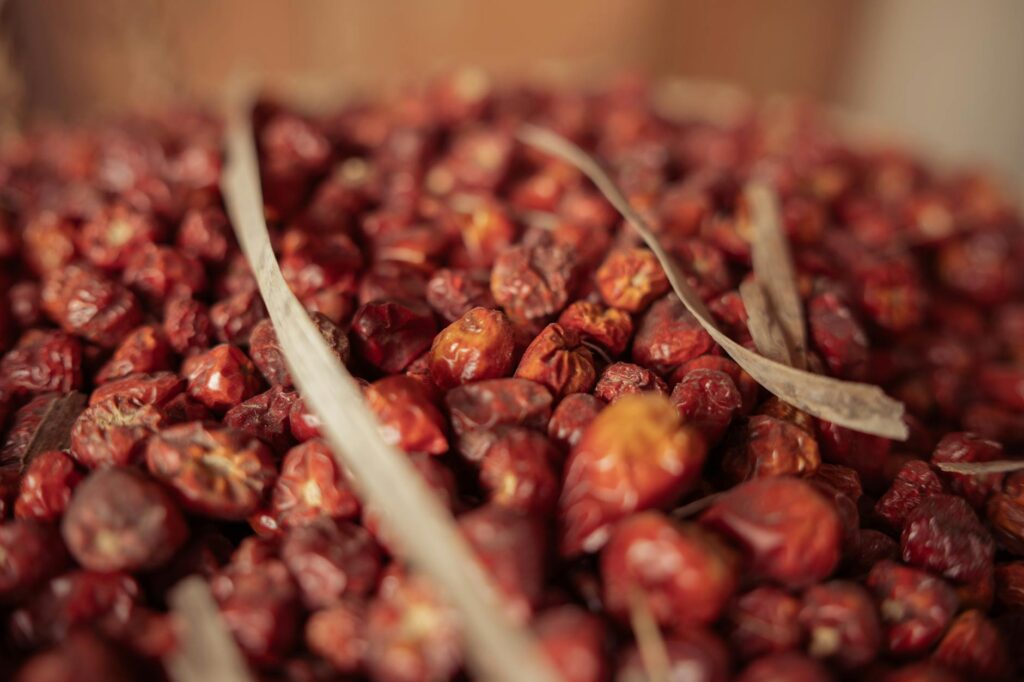
Jujube Grading Explained
Introduction
Jujube, also known as red dates or Chinese dates, holds a significant place in culinary traditions, particularly in East Asian and Middle Eastern cultures. With its sweet flavor and chewy texture, jujube has gained popularity not just as a snack but also as a vital ingredient in various dishes and health products. Understanding the nuances of jujube grading is essential for consumers, chefs, and food manufacturers alike. This article delves into the complexities of jujube grading, enabling you to make informed purchasing decisions.
What Is Buying?
In the context of food ingredients, “buying” refers to the entire process of acquiring food items, from understanding market trends and quality standards to selecting the right products for culinary use. For jujube, this involves evaluating factors such as origin, grading, freshness, and intended use. Grading systems help buyers differentiate between varieties and quality levels, ensuring they select the best options for their specific needs.
History and Origins
The jujube tree (Ziziphus jujuba) is native to the regions of the Middle East and South Asia. Its cultivation dates back over 4,000 years, making it one of the oldest cultivated fruits. Historically, jujube has been revered for its nutritional benefits and versatility. Ancient texts and agricultural records indicate that the fruit was used not only as a food source but also in religious and medicinal practices.
The fruit’s popularity spread across continents, particularly to China, where it is known as “zao.” In Chinese culture, jujube has symbolic meanings associated with good fortune and prosperity. As trade routes expanded, the fruit found its way into various culinary traditions, adapting to regional tastes and cooking methods.
Production and Processing
Jujube trees thrive in warm, dry climates and are primarily cultivated in countries such as China, Korea, and parts of the Middle East. The fruits are harvested when they reach maturity, typically in late summer to early autumn. Post-harvest, jujubes can be consumed fresh or undergo various processing methods, including drying.
Drying is a popular method for preserving jujube, enhancing its shelf life and flavor concentration. Sun-drying or mechanical drying can be employed, with dried jujubes often exhibiting a more intense sweetness. Depending on the intended market, jujubes may also be processed into pastes, powders, or extracts, further expanding their applications in culinary and health sectors.
Quality and Grading
Quality grading is a vital aspect of purchasing jujube, ensuring that consumers receive products that meet their expectations for taste, texture, and appearance. The grading system can vary by region, but several common criteria are generally used to assess jujube quality:
1. Size and Shape
Larger jujubes are often perceived as higher quality. Uniformity in size and shape is essential, as it indicates proper cultivation and harvesting practices. Grading systems often categorize jujubes based on their diameter, with larger fruits typically commanding higher market prices.
2. Color and Appearance
The color of jujubes ranges from green to dark brown or even black in dried varieties. A rich, deep color generally signifies ripeness and optimal flavor. Buyers should look for fruits that are free from blemishes, discoloration, or signs of decay.
3. Texture and Firmness
Fresh jujubes should be firm to the touch, while dried jujubes should have a chewy texture without being overly hard or brittle. The presence of moisture in dried fruits can be a sign of poor handling or storage conditions.
4. Flavor Profile
Taste is a subjective but crucial aspect of grading. High-quality jujubes should have a balanced sweetness with subtle, complex flavors. Buyers are encouraged to sample products where possible to assess flavor quality.
5. Moisture Content
Moisture content is critical, especially for dried jujubes. Excess moisture can lead to spoilage, while insufficient moisture can result in a hard, unpalatable product. Grading often includes specifications for moisture levels, ensuring that buyers receive fruits that will maintain their quality over time.
Buying Considerations
When purchasing jujube, several factors should be considered to ensure you select high-quality products:
1. Source and Vendor
Buying jujube from reputable suppliers is crucial. Look for vendors who specialize in high-quality ingredients and provide transparency regarding their sourcing practices. Local farmers’ markets or specialty stores often offer fresher and more reliable options.
2. Intended Use
Consider how you plan to use the jujube. For snacking, fresh fruits may be preferred, while dried jujubes are ideal for baking, cooking, or as a supplement in various dishes. Understanding your intended use will guide your purchasing decision.
3. Seasonality
Jujubes have specific harvest seasons, which can impact availability and freshness. Fresh jujubes are typically available in late summer to early autumn, while dried varieties can be found year-round. Seasonal purchasing can ensure you are getting the freshest product.
4. Certification and Standards
If you prioritize organic or sustainably sourced ingredients, look for certifications that indicate such practices. Many suppliers now offer jujubes that are certified organic, non-GMO, or sustainably harvested.
Uses and Applications
Jujube is a versatile ingredient used in various culinary applications:
- Snacking: Fresh jujubes are often consumed as a healthy snack.
- Baking: Dried jujubes are frequently used in baked goods, providing natural sweetness and moisture.
- Beverages: Jujube extracts are popular in teas and health drinks, offering unique flavors and potential health benefits.
- Savory Dishes: In some cultures, jujubes are added to savory dishes, enhancing flavor profiles and adding nutritional value.
–