
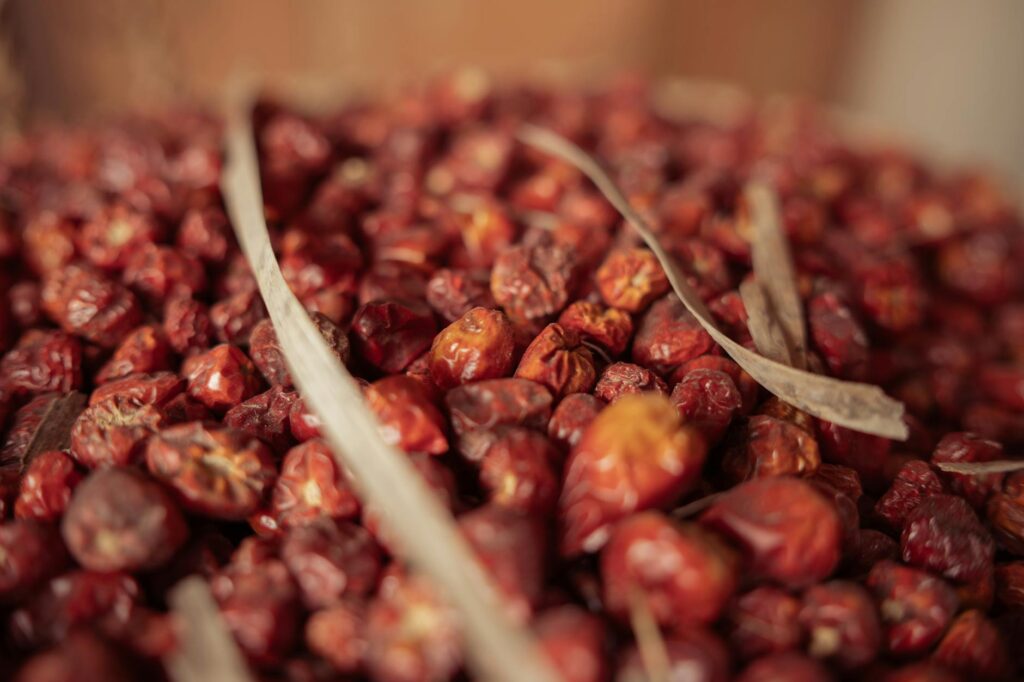
Jujube Myths and Misconceptions
Introduction
Jujube, known scientifically as Ziziphus jujuba, has gained attention in recent years for its unique flavor profile and potential health benefits. However, alongside its growing popularity, a number of myths and misconceptions have emerged, clouding the true nature of this versatile fruit. This article aims to demystify the jujube by providing a comprehensive exploration of its characteristics, origins, processing methods, and common misunderstandings.
What Is Jujube?
Jujube is a small, sweet fruit that belongs to the buckthorn family. Commonly referred to as red dates, especially in Asian cultures, jujubes can be consumed fresh, dried, or processed into various products. They are characterized by their chewy texture and rich, caramel-like flavor, making them a popular ingredient in both culinary and medicinal applications.
History and Origins
The history of jujube can be traced back over 4,000 years, with its origins believed to be in the regions of the Middle East and North Africa. Archaeological evidence suggests that the fruit was cultivated in ancient China, where it was revered not only for its culinary uses but also for its purported health benefits. The jujube tree, a hardy species, has since spread across various continents, adapting to diverse climates and soils.
Throughout history, jujubes have been celebrated in various cultures. In China, they hold significant cultural symbolism and are often used in traditional festivals. In the Mediterranean, they have been a staple food source, while in contemporary times, they are enjoyed worldwide for their unique qualities.
Production and Processing
Jujubes thrive in warm, dry climates, making them primarily cultivated in regions like China, South Korea, and parts of the United States. The trees are drought-resistant and can grow in poor soil conditions, which contributes to their popularity among farmers.
Harvesting typically occurs in late summer to early autumn when the fruits reach optimal ripeness. Once harvested, jujubes can be consumed fresh or undergo various processing methods, including drying and preserving. Dried jujubes are especially popular in Asian cuisines, where they are often used in teas, soups, and desserts.
Processing methods aim to retain the fruit’s natural sweetness and nutritional content. This includes sun-drying, which enhances the flavor profile while concentrating the sugars, or vacuum sealing to extend shelf life while maintaining freshness.
Quality and Grading
The quality of jujubes is assessed based on factors such as size, color, texture, and sugar content. Higher-grade jujubes are typically larger, with a vibrant color and a firm yet tender texture. When purchasing dried varieties, consumers should look for those with minimal added sugars or preservatives, as these can detract from the fruit’s natural flavors.
Grading systems may vary by region, but generally, superior quality jujubes will have a plump appearance, a glossy surface, and a sweet aroma. It’s essential for consumers to familiarize themselves with these characteristics to ensure they are selecting the best product available.
Buying Considerations
When purchasing jujubes, several factors should be taken into account:
1. Fresh vs. Dried: Fresh jujubes are available in season and can be enjoyed raw. Dried jujubes are more widely available and offer a concentrated flavor.
2. Origin: Knowing the source of the jujubes can provide insight into their quality and authenticity. Look for products from reputable growers or brands.
3. Packaging: For dried jujubes, ensure that the packaging is intact and free from any signs of moisture or damage, which could indicate spoilage.
4. Ingredient List: For processed varieties, check the ingredient list to avoid unnecessary additives. Ideally, the product should contain only jujubes without artificial preservatives or sugars.
5. Seasonality: Fresh jujubes are typically available in late summer and early fall, while dried jujubes can be found year-round.
Uses and Applications
Jujubes have a wide range of culinary applications. In Asian cuisine, they are used in soups, teas, and desserts, often paired with other ingredients to enhance their flavor. Dried jujubes can be rehydrated and added to various dishes for sweetness, while fresh jujubes serve as a delightful snack or salad addition.
Beyond culinary uses, jujubes are also incorporated into traditional medicines, with various cultures utilizing them for their purported health benefits. However, it is crucial to approach these claims with caution, as scientific validation may be limited.
Storage and Shelf Life
Proper storage of jujubes can significantly affect their longevity. Fresh jujubes should be refrigerated to maximize shelf life, ideally consumed within a week of purchase. When stored correctly, they can remain fresh for up to two weeks.
Dried jujubes, on the other hand, have a much longer shelf life. When kept in a cool, dark place and sealed in an airtight container, they can last for many months, sometimes even up to a year. It is important to check for signs of spoilage, such as mold or an off smell, before consumption.
Common Misconceptions
Despite the jujube’s rising popularity, several myths and misconceptions persist:
1. Jujubes Are Just Dates: While jujubes are sometimes referred to as red dates, they are not the same as the dates from the date palm (Phoenix dactylifera). Jujubes are a distinct fruit with different flavor profiles and nutritional content.
2. All Jujubes Are Dried for Consumption: Many people believe that jujubes are only edible in their dried form. In fact, fresh jujubes are delicious and can be enjoyed raw, offering a crisp texture and refreshing taste.
3. Jujubes Are Only Used in Traditional Medicine: While