
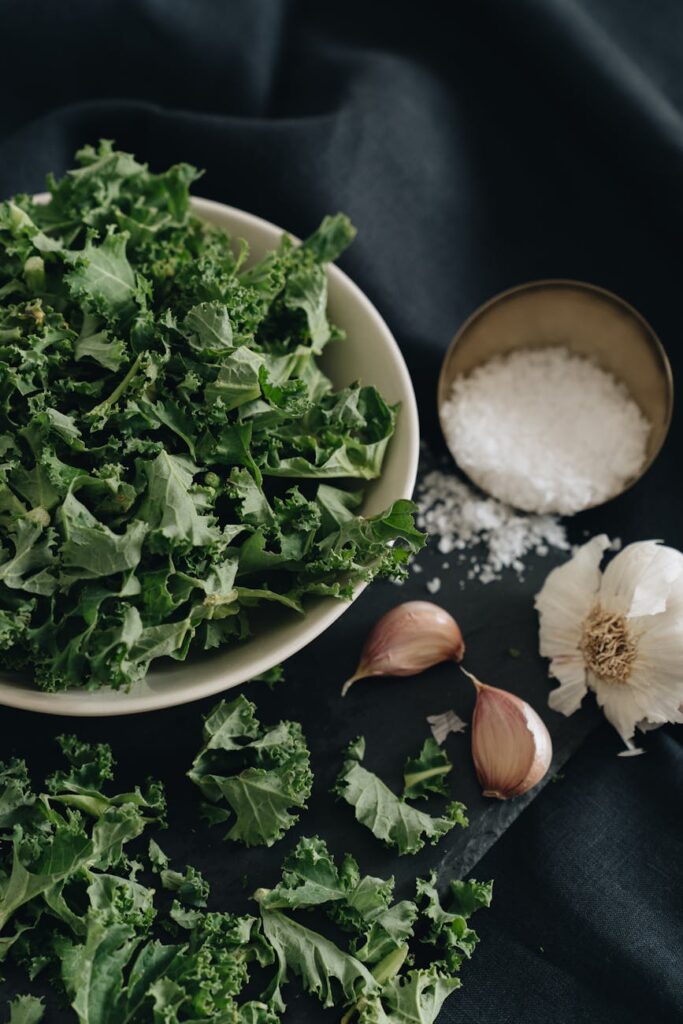
Kale About Guide Part 7
Introduction
Kale, a leafy green vegetable belonging to the Brassica family, has garnered significant attention in recent years for its impressive nutritional profile and versatility in culinary applications. This guide delves into the multifaceted aspects of kale, exploring its history, production, quality, and more, providing a comprehensive understanding of this nutrient-dense ingredient that has become a staple in modern diets.
What Is Kale?
Kale is a member of the Brassica oleracea species, which also includes cabbage, broccoli, and Brussels sprouts. It is characterized by its curly or flat leaves, which can vary in color from deep green to purple. Kale is often classified into different varieties, including Curly Kale, Lacinato (or Dinosaur) Kale, and Red Russian Kale. Each variety has distinct textures and flavors, offering unique culinary opportunities.
Kale is not only celebrated for its taste but also for its wealth of vitamins, minerals, and phytonutrients. It is particularly rich in vitamins A, C, and K, as well as antioxidants, which contribute to its reputation as a superfood.
History and Origins
Kale’s history dates back to the Mediterranean region, where it was cultivated by the ancient Greeks and Romans. Evidence suggests that it was consumed as early as 2000 B.C. in the eastern Mediterranean. Over centuries, kale spread across Europe and became a staple in various cuisines, especially during the Middle Ages when it was a vital food source in northern climates.
In the 19th century, kale found its way to North America, brought by European settlers. It thrived in the cooler climates of the northern states, where it became a popular garden crop. Today, kale has experienced a resurgence in popularity, often highlighted as a superfood in health and wellness trends.
Production and Processing
Kale is predominantly grown in temperate climates, with the greatest production occurring in the United States, particularly in California, New York, and North Carolina. The crop is typically planted in either spring or fall, as it prefers cooler weather for optimal growth. Kale can withstand frost, which often enhances its flavor by converting starches to sugars.
The processing of kale involves several stages, including harvesting, washing, and packing. After harvesting, kale is usually washed to remove soil and contaminants. It is then packaged for distribution, either as whole leaves or pre-cut in salads or other ready-to-eat formats. The trend of sustainability has also influenced kale production, with many farms adopting organic practices to cater to environmentally conscious consumers.
Quality and Grading
When evaluating kale, several factors contribute to its quality. Freshness, color, texture, and size are primary indicators. High-quality kale should have vibrant green leaves, free from yellowing or browning. The leaves should be firm and crisp, indicating freshness, while any signs of wilting or decay suggest poor quality.
In commercial settings, kale may be graded according to size and leaf condition. Some markets may utilize grading systems that categorize kale as “Fancy,” “No. 1,” or “No. 2,” with “Fancy” representing the highest quality. It is essential for buyers to understand these grading systems to select the best produce for their needs.
Buying Considerations
When purchasing kale, consumers should consider several aspects to ensure they obtain the best quality.
1. Freshness: Look for kale with vibrant, crisp leaves and avoid any that appear wilted or discolored.
2. Variety: Depending on your culinary needs, consider which type of kale best suits your dish. Curly kale is often favored for salads, while Lacinato kale is preferred for cooking due to its robust texture.
3. Organic vs. Conventional: Many consumers opt for organic kale, as it is grown without synthetic pesticides or fertilizers. This choice often reflects personal health beliefs or environmental concerns.
4. Seasonality: Kale is typically in season during the cooler months, from late fall to early spring. Purchasing during this time may yield fresher and more flavorful options.
5. Local vs. Imported: Supporting local farmers can result in fresher produce. Whenever possible, seek out locally sourced kale to ensure quality and sustainability.
Uses and Applications
Kale’s versatility makes it a valuable ingredient in various culinary applications.
- Salads: Raw kale can be massaged with dressing to soften its leaves and enhance its flavor, making it a popular choice for salads.
- Cooking: Kale can be sautéed, steamed, or added to soups and stews. Its robust texture allows it to hold up well in cooking applications without losing its nutritional value.
- Smoothies: Many health enthusiasts incorporate kale into smoothies for an added nutrient boost. Its earthy flavor pairs well with fruits such as bananas and apples.
- Juicing: Kale can be juiced to create nutrient-rich beverages, often combined with other fruits and vegetables for a refreshing drink.
- Garnishing: The attractive appearance of kale, especially varieties like Red Russian, makes it an excellent garnish for various dishes, adding both color and texture.
Storage and Shelf Life
To maximize the shelf life of kale, proper storage is essential. Kale should be kept in the refrigerator, preferably in a plastic bag with some air circulation to prevent moisture buildup, which can lead to spoilage.
Fresh kale can last up to a week when stored correctly. However, it is advisable to consume it within a few days for optimal flavor and nutritional value. If kale starts to wilt, it can be revitalized by soaking it in cold water for a short period.
For longer storage, kale can be blanched and frozen. This method preserves its nutrients and allows for later use in cooked dishes. When freezing, ensure that the kale is well-washed and dried before placing it in airtight containers or freezer bags.