
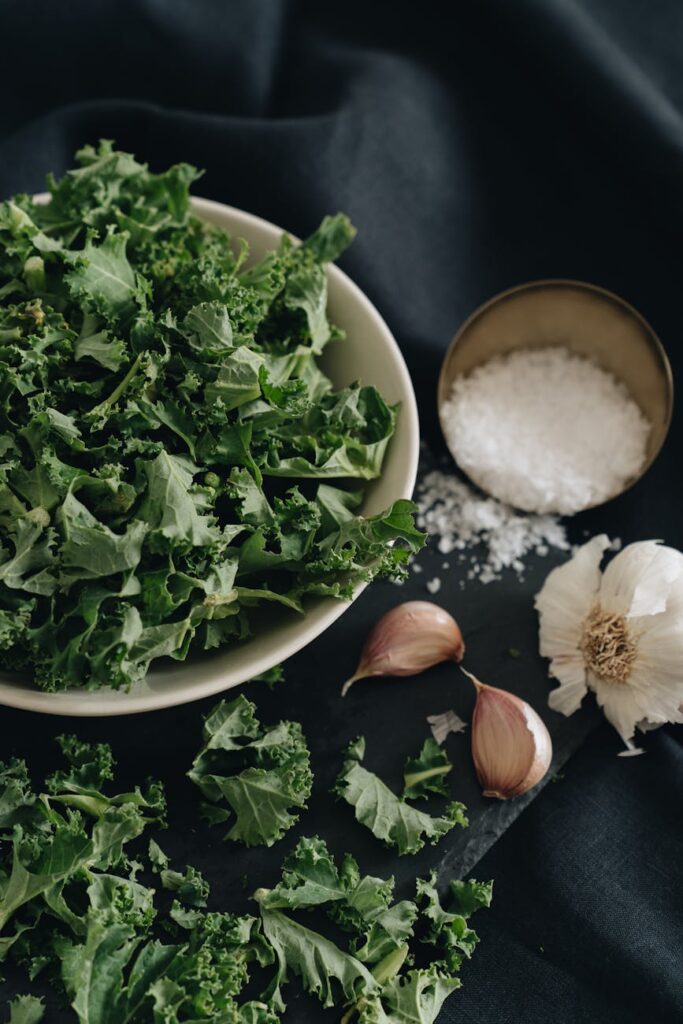
Kale: Origins and Evolution
Introduction
Kale, a leafy green vegetable belonging to the Brassica family, has gained significant popularity in recent years as a superfood and health staple. Its vibrant leaves not only contribute to a colorful plate but also provide a wealth of nutritional benefits. This article delves into the origins of kale, tracing its historical roots, production processes, quality grading, and more to provide a comprehensive understanding of this remarkable ingredient.
What Is Kale?
Kale is a member of the Brassica oleracea species, which also includes other well-known vegetables such as cabbage, broccoli, and Brussels sprouts. This hardy green is characterized by its curly or flat leaves, which can be green, purple, or even blue-tinged. Kale is a biennial plant, typically grown as an annual, and thrives in cooler climates, making it a popular choice for both home gardens and commercial agriculture.
History and Origins
Ancient Beginnings
The history of kale can be traced back to the Mediterranean region, where its wild ancestors thrived. Evidence suggests that kale was cultivated as far back as 2000 B.C. in the regions of the Eastern Mediterranean and Asia Minor. The earliest forms of kale were likely closer to wild cabbage than the cultivated varieties we know today.
Spread Through Europe
Kale made its way across Europe during ancient times, with different regions developing their own varieties. By the Middle Ages, kale was a staple vegetable in many European diets. Notably, it was favored by the Scots, who cultivated it extensively. The term “kale” itself is derived from the Scottish word “cabbage.”
With the advent of the Renaissance, kale’s popularity spread further, leading to various types being developed in different climates. The Dutch and Germans began to cultivate kale extensively, giving rise to the varieties we recognize today.
Arrival in the Americas
Kale was introduced to North America by European settlers in the 17th century. Its adaptability to different soils and climates allowed it to flourish in the diverse American landscape. During the Colonial period, it was a common garden vegetable and remained a staple throughout the 19th and early 20th centuries.
Modern Resurgence
Kale experienced a revival in the late 20th century, largely driven by growing health consciousness and interest in nutrient-dense foods. Its reputation as a superfood, rich in vitamins A, C, K, and minerals like calcium and magnesium, has transformed it into a culinary darling, appearing in salads, smoothies, and gourmet dishes worldwide.
Production and Processing
Cultivation Practices
Kale thrives best in well-drained soil with a pH between 6.0 and 7.0. It can be sown directly into the ground or started indoors and transplanted. The plant prefers cooler weather, making it ideal for spring and fall harvests. In some regions, it can even survive through winter, providing fresh greens when other crops have perished.
Harvesting Techniques
Kale is generally ready for harvest within 55 to 75 days after planting, depending on the variety. It can be harvested by cutting the entire plant at the base or by selectively picking the outer leaves, allowing the inner leaves to continue growing. This method provides a longer yield period, making kale a valuable addition to any garden.
Processing Methods
Once harvested, kale is often processed in various ways to enhance its shelf life and flavor. Common methods include washing, cutting, and blanching. Blanching, which involves briefly boiling the leaves before cooling them in ice water, can help preserve color and texture. Kale can also be dried and powdered for use in smoothies, snacks, or supplements.
Quality and Grading
Factors Affecting Quality
The quality of kale can be influenced by several factors, including its variety, growing conditions, and harvesting methods. High-quality kale should have vibrant green leaves, a firm texture, and a fresh aroma. Leaves that are yellowing, wilted, or have brown spots are typically indicators of poor quality.
Grading Standards
Kale is generally graded based on its appearance, freshness, and size. In commercial markets, kale may be categorized into different grades, with “U.S. Fancy” being the highest. This grade is reserved for kale that is free from defects and exhibits excellent color and size uniformity. Lower grades may still be suitable for consumption but may have minor blemishes or inconsistencies.
Buying Considerations
Fresh vs. Processed
When purchasing kale, consumers have the option of buying fresh or processed products. Fresh kale should be crisp and vibrant, while pre-packaged kale may come pre-washed or chopped for convenience. It’s essential to check the expiration dates on processed products to ensure freshness.
Organic vs. Conventional
The choice between organic and conventional kale often depends on personal preferences and budget. Organic kale is grown without synthetic pesticides or fertilizers, appealing to those who prioritize organic farming practices. However, conventional kale can be equally nutritious and may be more affordable.
Seasonal Availability
Kale is typically available year-round, but its peak season generally falls in the cooler months, particularly from late fall through early spring. During this time, kale tends to be more flavorful and nutrient-dense.
Uses and Applications
Kale is a versatile ingredient used in various culinary applications. Its robust flavor and texture make it suitable for salads, stir-fries, soups, and smoothies. It can be enjoyed raw, sautéed, or even baked into crispy chips. Kale’s ability to absorb flavors makes it an excellent base for dressings and marinades, allowing chefs to create a myriad of dishes.
Culinary Innovations
In recent years, chefs have embraced kale in innovative ways. From kale pesto to kale-infused oils, the creative potential of this leafy green continues to expand. Its adaptability not only makes it a staple in traditional cuisines but also a favorite