
Kefir Grains: About Guide Part 6
Introduction
Kefir grains are a unique and vital ingredient in the world of fermented foods. Renowned for their ability to transform milk (or alternative substrates) into a tangy, effervescent beverage, these small, gelatinous clusters of bacteria and yeast offer a wealth of flavor and nutritional benefits. This guide delves into the multifaceted nature of kefir grains, exploring their history, production methods, quality considerations, and much more.
What Is About?
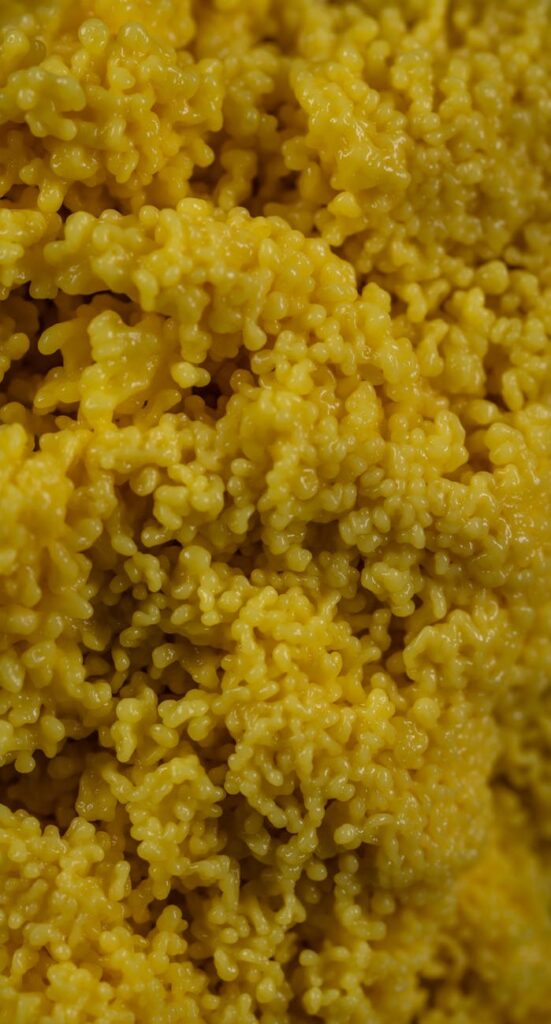
Kefir grains are not grains in the traditional sense; rather, they are a symbiotic culture of bacteria and yeast (SCOBY) encased in a polysaccharide matrix. This complex structure resembles small cauliflower florets, typically ranging from white to yellowish in color. Kefir grains act as the primary fermenting agent in the production of kefir, a drink that has gained popularity for its probiotic properties and tangy taste.
These grains can ferment various substrates, although cow, goat, and sheep milk are the most common. Additionally, they can be used with plant-based milks, such as coconut or almond milk, allowing for a diverse range of kefir products. The fermentation process not only enhances flavor but also contributes to the nutritional profile of the final product.
History and Origins
The origins of kefir grains can be traced back to the Caucasus Mountains, where they were traditionally used by nomadic tribes for centuries. The word “kefir” is believed to have derived from the Turkish word “keif,” which means “good feeling,” a nod to the delightful sensations associated with consuming this fermented beverage.
Historically, kefir grains were treasured as a family heirloom, passed down through generations. The unique cultures within each family’s grains could produce distinct flavors and characteristics, resulting in a rich tapestry of kefir traditions spread across various cultures. In the early 20th century, kefir gained attention in Europe and North America, where its potential health benefits began to be recognized, leading to a resurgence in its popularity.
Production and Processing
The production of kefir using kefir grains involves a few essential steps:
1. Inoculation: Fresh milk or an alternative substrate is inoculated with kefir grains. The ratio typically ranges from 1:10 to 1:100 (grains to liquid), depending on the desired fermentation speed and flavor intensity.
2. Fermentation: The mixture is allowed to ferment at room temperature, typically for 12 to 48 hours. During this time, the bacteria and yeast in the kefir grains consume lactose, producing lactic acid, carbon dioxide, and a variety of flavor compounds.
3. Straining: Once the fermentation process is complete, the mixture is strained to separate the kefir grains from the liquid kefir. The grains can be reused for subsequent batches, while the resulting kefir is ready for consumption or further processing.
4. Refrigeration: The freshly made kefir is often refrigerated to slow down further fermentation and preserve its flavor and texture.
Quality production processes are crucial for maintaining the integrity of kefir grains. Clean equipment, appropriate temperatures, and optimal fermentation times are vital to ensuring a healthy culture and high-quality end product.
Quality and Grading
The quality of kefir grains can vary significantly based on several factors:
- Microbial Diversity: High-quality kefir grains should contain a diverse range of beneficial bacteria and yeasts. A robust microbial community contributes to a more complex flavor profile and greater health benefits.
- Appearance: Healthy kefir grains should appear plump, gelatinous, and cohesive. Poor-quality grains may be discolored, shriveled, or exhibit an unpleasant smell.
- Fermentation Rate: Efficient kefir grains will ferment milk within a consistent timeframe, typically between 24 to 48 hours. Slower fermentation may indicate an unhealthy culture.
- Source: Grains sourced from reputable suppliers or through established cultures are generally superior. Grain quality can degrade over time, so fresh grains are preferable for optimal fermentation.
- Beverage Production: The primary use of kefir grains is to ferment milk or plant-based alternatives into a probiotic-rich drink. The resulting kefir can be consumed plain, flavored, or used in smoothies and salad dressings.
- Dairy Products: Kefir can be further processed into cheese or used in baked goods, where it acts as a leavening agent, adding both flavor and moisture.
- Skin Care: Beyond the kitchen, kefir and
Understanding these quality indicators is essential for both producers and consumers to ensure a satisfying kefir experience.
Buying Considerations
When purchasing kefir grains, several factors should be taken into account:
1. Freshness: Look for grains that are freshly harvested or recently packaged. Older grains may not ferment as efficiently.
2. Source: Buy from reputable suppliers, whether local health food stores, online retailers, or community exchanges. Some communities have kefir “grains sharing” groups where enthusiasts can exchange grains.
3. Type: Consider whether you want traditional dairy kefir grains or those suitable for plant-based milks. Some grains are specifically adapted to ferment certain substrates effectively.
4. Cost: Pricing can vary based on quality and source. While it may be tempting to opt for cheaper options, investing in high-quality grains can lead to better results and a longer-lasting culture.
5. Instructions: Ensure you receive care and usage instructions with your purchase, especially if you are new to fermenting.
By considering these factors, consumers can select the best kefir grains for their needs and ensure a successful fermentation process.
Uses and Applications
Kefir grains serve a dual purpose: they are instrumental in producing kefir and can also be utilized in various culinary applications.