
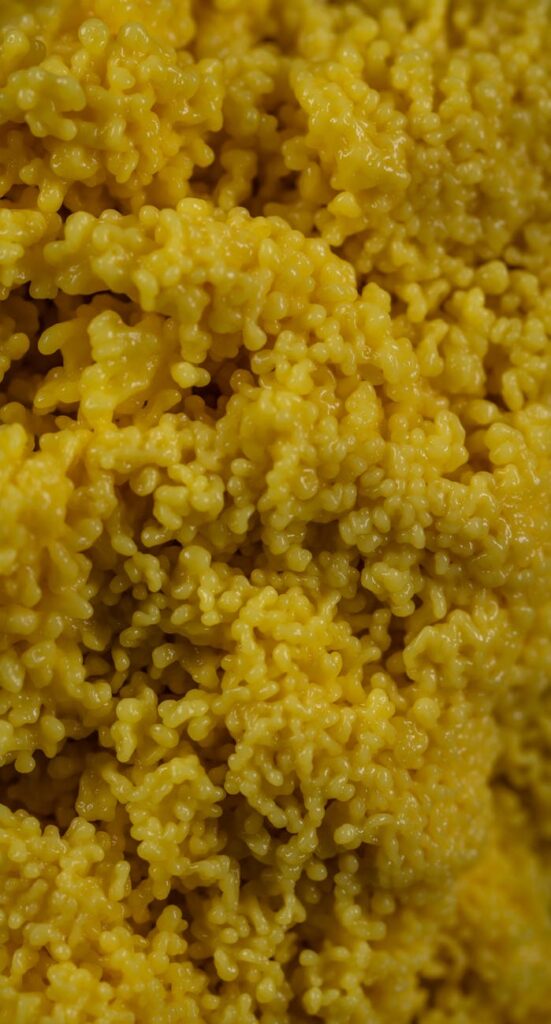
Kefir Grains About Guide Part 7
Introduction
Kefir grains, a symbiotic culture of bacteria and yeasts (SCOBY), are at the heart of a traditional fermented beverage known as kefir. Revered for their probiotic properties and unique tart flavor, kefir grains have garnered significant attention in the culinary world and beyond. This guide delves into various facets of kefir grains, exploring their history, production processes, quality grading, and much more, offering a comprehensive understanding of this remarkable ingredient.
What Is About?
The term “Kefir grains” refers to the gelatinous clusters that are used to ferment milk or sugar water, resulting in a tangy, effervescent drink. Composed of lactic acid bacteria, yeasts, and polysaccharides, these grains are not grains in the traditional sense, but rather a complex matrix of microorganisms that create a unique fermentation environment. Kefir grains can be used multiple times, making them a sustainable choice for those interested in fermentation.
History and Origins
Kefir has a rich history that dates back thousands of years. Originating in the Caucasus Mountains, it is believed that the process of fermenting milk with kefir grains was discovered by nomadic tribes who sought a nutritious way to preserve milk. The name “kefir” is derived from the Turkish word “keif,” which means “good feeling,” indicative of the beverage’s perceived health benefits.
The tradition of kefir-making spread through Eastern Europe and into Russia, where it became a staple in many households. Throughout the 20th century, kefir gained popularity in Western countries, particularly as a health food, due to its probiotic content. Today, it is widely recognized and appreciated globally, both for its flavor and its potential health benefits.
Production and Processing
The production of kefir grains involves a delicate balance of microorganisms that thrive in a specific environment. To cultivate kefir grains, milk (usually cow, goat, or sheep) is inoculated with these grains. The fermentation process typically takes 12 to 48 hours at room temperature, during which the microorganisms metabolize lactose, producing lactic acid, carbon dioxide, and alcohol.
Fermentation Process
1. Inoculation: Fresh or pasteurized milk is introduced to the kefir grains.
2. Fermentation: The mixture is left to ferment at room temperature, allowing the grains to culture the milk. During this time, the grains will multiply and can be harvested for future batches.
3. Straining: Once fermentation is complete, the kefir is strained to separate the grains from the liquid. The kefir is then ready for consumption, while the grains can be reused.
Environmental Factors
The success of kefir fermentation is influenced by several factors, including temperature, the type of milk used, and the ratio of kefir grains to milk. Ideal fermentation temperatures range from 20°C to 30°C (68°F to 86°F). Variations in these factors can lead to differences in taste and texture, making the art of kefir-making both a science and a craft.
Quality and Grading
The quality of kefir grains can significantly affect the flavor and health benefits of the resulting kefir. Several factors are considered when assessing the quality of kefir grains:
1. Microbial Diversity: High-quality grains contain a diverse range of bacteria and yeasts, contributing to a more complex flavor profile and enhanced probiotic benefits.
2. Appearance: Fresh kefir grains should be plump, gelatinous, and creamy white or slightly yellow. Discoloration or a dry texture may indicate poor quality.
3. Fermentation Performance: Healthy kefir grains should produce kefir with a pleasant tartness and effervescence within a reasonable time frame.
Grading Systems
While there is no standardized grading system for kefir grains, reputable suppliers may provide information about the microbial composition and origin of their grains. Consumers interested in high-quality kefir grains should seek out sellers who offer transparent information regarding their product.
Buying Considerations
When purchasing kefir grains, several factors should be taken into account to ensure optimal quality and functionality:
1. Source: Opt for grains from reputable suppliers with a history of quality. Homegrown or locally sourced grains may also be a good option.
2. Type of Grains: Ensure that the grains are specifically identified as “kefir grains” and not other fermentation cultures.
3. Freshness: Look for recently harvested grains, as older grains may have diminished fermentation capabilities.
4. Storage Conditions: Inquire about how the grains were stored before sale. Proper storage at stable temperatures can preserve their effectiveness.
5. Customer Reviews: Check reviews or testimonials from other customers to gauge the quality and reliability of the supplier.
Uses and Applications
Kefir grains primarily serve the purpose of fermenting milk, but their applications extend beyond traditional kefir:
1. Dairy Kefir: The most common use, producing a tangy, probiotic-rich drink.
2. Water Kefir: Kefir grains can also be used in sugar water or fruit juice to create a fermented beverage known as water kefir.
3. Fermented Foods: In some cultures, kefir grains are used to ferment vegetables and other foods, enhancing their flavor and preservation.
4. Baking: The probiotic properties of kefir can be harnessed in baking, adding moisture and flavor to bread and pastries.
5. Skincare: Due to their probiotic properties, some individuals use kefir grains in DIY skincare treatments, although this is less common.
Storage and Shelf Life
Proper storage is essential for maintaining the viability of kefir grains. Here are some guidelines:
1. Short-Term Storage: If not