
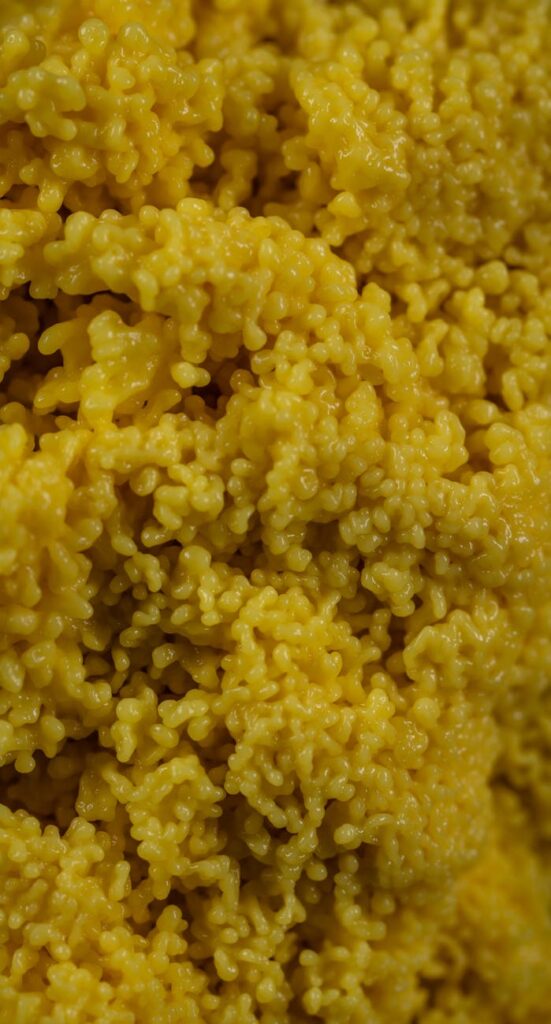
Kefir Grains Around the World
Introduction
Kefir grains are a remarkable blend of bacteria and yeasts, often regarded as a superfood due to their probiotic properties. Originating from the Caucasus region, these unique clusters are used to ferment milk, resulting in a tangy, effervescent beverage known as kefir. The significance of kefir grains extends beyond culinary delights; they embody a rich tapestry of cultural heritage and traditional practices across various regions of the globe. This article delves into the diverse regions where kefir grains are cultivated, their historical significance, production techniques, and much more.
What Is Regions?
In the context of kefir grains, “regions” refers to various geographic areas that have developed their own unique methods and traditions surrounding the cultivation and use of these grains. Each region contributes to the overall understanding and appreciation of kefir in distinct ways, influenced by local cultures, climate, and available resources. From the Caucasus Mountains to the vast plains of Central Asia, kefir grains have traveled far and wide, adapting and evolving in each new locale.
History and Origins
The history of kefir grains is steeped in folklore and tradition. It is believed that kefir originated in the Caucasus Mountains, where it was traditionally consumed by the nomadic peoples of the region. The grains themselves are said to have been passed down through generations, often cloaked in mystery and guarded as family heirlooms.
Historically, kefir was not just a drink but an essential part of the diet, providing essential nutrients and probiotics. Over the centuries, the knowledge of kefir-making spread through trade routes, reaching countries such as Russia, Turkey, and even parts of Europe. Each region adapted the process to its local customs and tastes, enriching the global tapestry of kefir consumption.
Production and Processing
The production of kefir grains involves a complex symbiotic relationship between lactic acid bacteria and yeast. The grains, resembling small cauliflower florets, are composed of polysaccharides, proteins, and lipids, creating a gelatinous structure that houses the microorganisms.
Fermentation Process
In the fermentation process, fresh milk is combined with kefir grains. The mixture is allowed to sit at room temperature for 12 to 48 hours, during which the microorganisms ferment the lactose in the milk, producing lactic acid, carbon dioxide, and a small amount of alcohol. This results in a creamy, tangy beverage with a distinct flavor profile.
While cow’s milk is the most common base, kefir can also be made from goat, sheep, or even plant-based milks, catering to various dietary preferences and restrictions.
Regional Variations in Production
Different regions have their unique methods of kefir production. For instance, in Russia, kefir is often made from whole milk, resulting in a richer taste, while in Turkey, ayran, a kefir-based drink, is popular, often diluted with water and seasoned with salt. These regional adaptations reflect local tastes and agricultural practices.
Quality and Grading
Quality and grading of kefir grains can vary significantly based on several factors, including microbial diversity, grain size, and the fermentation process. High-quality kefir grains should be plump, firm, and possess a healthy, gelatinous texture.
Microbial Diversity
The microbial composition is crucial for determining the flavor and health benefits of the final product. A diverse range of bacteria and yeasts can enhance the fermentation process, contributing to a more complex flavor profile and increased probiotic content.
Grading Standards
While there are no universal grading standards for kefir grains, some producers may adhere to specific quality control measures. This can include testing for microbial counts, flavor assessments, and even sensory evaluations to ensure that the grains meet the desired quality standards.
Buying Considerations
When purchasing kefir grains, there are several factors to consider to ensure you are acquiring high-quality cultures.
Source and Authenticity
Seek out reputable suppliers who provide authentic kefir grains. Many online vendors offer dehydrated grains, but it is essential to verify their origin and quality. Local health food stores or specialty markets may also carry fresh grains.
Freshness and Viability
Always check the freshness of the grains. Fresh kefir grains should be plump and maintain their gelatinous texture. If purchasing dehydrated grains, ensure they have been stored properly and have not exceeded their shelf life.
Price and Quantity
Prices for kefir grains can vary widely. While inexpensive options may be tempting, investing in high-quality grains ensures a more successful fermentation process. Additionally, consider the quantity you need based on your fermentation plans.
Uses and Applications
Kefir grains are primarily used for fermenting milk into kefir, but their applications extend far beyond this.
Culinary Uses
Kefir can be consumed on its own, used in smoothies, or incorporated into salad dressings. It can also serve as a base for soups and sauces, adding a tangy flavor and creaminess.
Nutritional Applications
The growing interest in gut health has led to an increased demand for probiotic-rich foods. Kefir grains play a central role in providing these beneficial microorganisms. They can also be utilized in non-dairy milk alternatives, expanding their reach to those with lactose intolerance or dairy allergies.
Traditional Uses
In many cultures, kefir is not merely a beverage but a staple of traditional diets. In parts of Eastern Europe and Central Asia, it is often consumed daily, believed to enhance digestion and overall well-being.
Storage and Shelf Life
Kefir grains require specific storage conditions to maintain their viability and effectiveness.
Short-Term Storage
For short-term storage, kefir grains can be kept in the refrigerator submerged in fresh milk. This method allows them to remain active and healthy for several weeks.
Long-Term Storage
For longer periods, dehydrating the grains is an option