
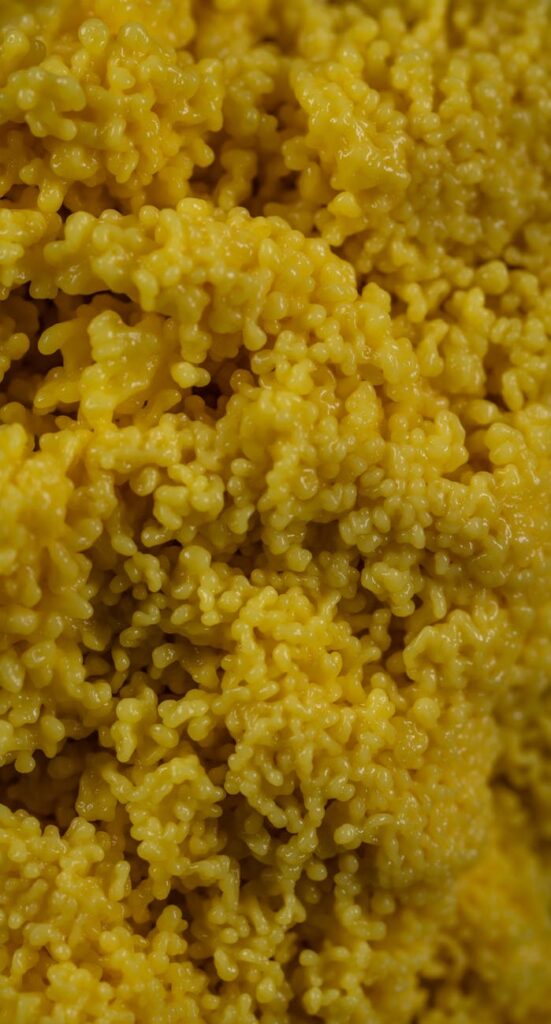
Kefir Grains Cultivation Explained
Introduction
Kefir grains are a unique symbiotic culture of bacteria and yeasts (SCOBY) that play a crucial role in the fermentation of milk and water into the tangy, effervescent beverage known as kefir. The cultivation of these grains is not only a fascinating process but also a vital component of sustainable food practices. This article delves into the intricacies of growing kefir grains, providing insights into their history, production methods, quality assessment, and common misconceptions.
What Is Growing?
Growing, in the context of kefir grains, refers to the cultivation and propagation of these grains under controlled conditions. This process involves nurturing the grains in a suitable environment that promotes the growth of beneficial microorganisms. Kefir grains thrive in specific conditions, primarily temperature, pH levels, and nutrient availability, making it essential to understand the best practices for their cultivation.
History and Origins
The origins of kefir grains can be traced back to the Caucasus Mountains, where they have been used for centuries. Local populations revered these grains, often regarded as a gift from the gods due to their health benefits and probiotic properties. The traditional method of kefir production involves using cow, goat, or sheep milk, which is inoculated with kefir grains.
Historically, kefir grains were passed down through generations and were often kept as family heirlooms, reflecting their cultural significance. The grains themselves are a gelatinous mass, resembling small cauliflower florets, and are composed of proteins, lipids, and polysaccharides, which create a protective matrix for the microorganisms.
Production and Processing
The production of kefir grains begins with the right starter culture. The grains are added to milk or sugar water, initiating the fermentation process. During this period, the bacteria and yeasts in the grains metabolize the lactose or sugars, producing lactic acid, carbon dioxide, and a variety of flavor compounds.
Ideal Conditions for Growing Kefir Grains
1. Temperature: Kefir grains flourish at temperatures between 20°C and 30°C (68°F to 86°F). At lower temperatures, fermentation slows down, while higher temperatures can kill the microorganisms.
2. pH Levels: The optimal pH for kefir fermentation is between 4.4 and 4.6. Monitoring pH levels is crucial to ensure a balanced fermentation process.
3. Nutrients: Kefir grains require a nutrient-rich environment. For milk kefir, whole milk is preferred due to its fat content, while sugar water or coconut water can be used for water kefir. The grains can also benefit from occasional feedings of sugar or lactose to maintain their vitality.
Fermentation Process
The fermentation process typically lasts between 12 to 48 hours, depending on the desired taste and texture. Once the fermentation is complete, the grains are separated from the liquid, which can then be consumed or stored. The grains can be reused for subsequent batches, allowing for continuous production.
Quality and Grading
The quality of kefir grains is paramount for successful fermentation. High-quality grains exhibit a firm, gelatinous texture and are consistent in size. They should be free from any off-putting odors or discoloration.
Grading Criteria
1. Appearance: Healthy kefir grains are translucent to white in color and should not appear mushy or disintegrated.
2. Texture: Well-cultivated grains maintain a firm structure, which is essential for effective fermentation.
3. Smell: A pleasant, slightly sour aroma indicates healthy fermentation, while foul odors may suggest contamination or poor growth conditions.
4. Fermentation Activity: The efficiency of the grains can be assessed by their ability to ferment a batch of milk or sugar water within the expected time frame.
Buying Considerations
When purchasing kefir grains, buyers should consider several factors to ensure they are acquiring high-quality products:
1. Source: Look for reputable suppliers, such as health food stores or specialty online retailers. It’s advisable to avoid grains from unknown or dubious sources.
2. Type of Grains: Decide whether you want milk kefir grains or water kefir grains, as they are not interchangeable.
3. Freshness: Fresh grains are more likely to be vigorous and produce better fermentation results. If purchasing dried grains, ensure they are from a reliable source and check the expiration date.
4. Reviews and Recommendations: Reading customer reviews and seeking recommendations can help in selecting the right supplier for your needs.
Uses and Applications
Kefir grains are primarily used to produce kefir, a probiotic-rich beverage enjoyed worldwide. Beyond their primary application, kefir grains also have various uses:
1. Fermentation Starter: They can be utilized to kickstart the fermentation of other dairy products, such as yogurt or cheese.
2. Animal Feed: Some farmers incorporate kefir grains into livestock diets to enhance animal health and productivity.
3. Cosmetics: The probiotic properties of kefir can be harnessed in skincare products, promoting skin health and hydration.
4. Baking: In some cultures, kefir grains are used to leaven bread, providing a unique flavor profile and improving the nutritional value.
Storage and Shelf Life
Proper storage of kefir grains is essential to maintain their viability. When not in use, they can be stored in several ways:
1. Refrigeration: Place the grains in a container with fresh milk and store them in the refrigerator for short-term storage (up to two weeks). This slows down their activity while preserving their quality.
2. Freezing: For long-term storage, kefir grains can be frozen. It’s recommended to rinse them with water and then place them in a freezer-safe container. Frozen grains can last for several