
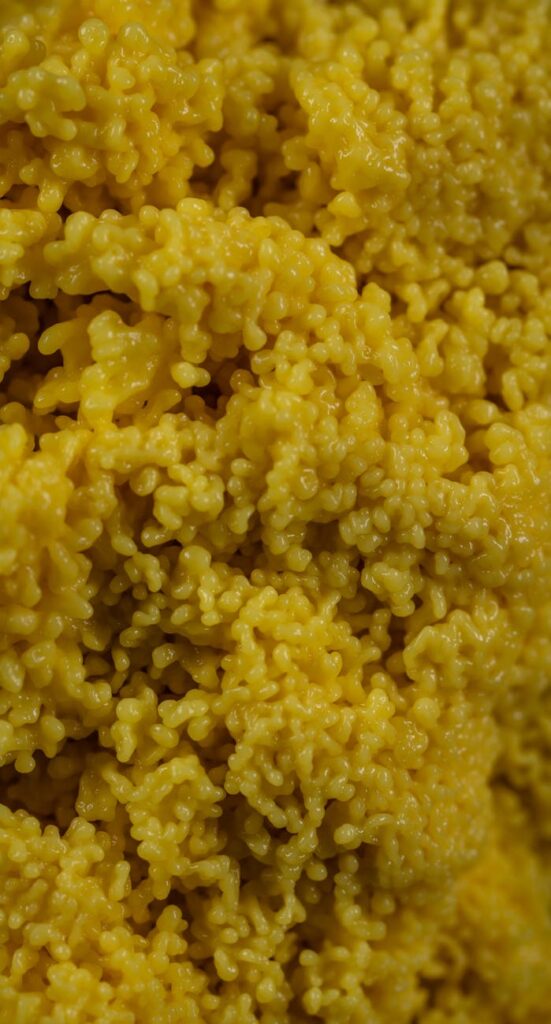
Kefir Grains Myths and Misconceptions
Introduction
Kefir grains, often referred to as “the original superfood,” have gained significant attention in recent years due to their probiotic properties and versatility in culinary applications. However, the popularity of kefir grains has also led to the proliferation of myths and misconceptions that cloud their understanding. This article aims to clarify these misunderstandings while providing a comprehensive guide to the history, production, quality, and uses of kefir grains.
What Is Guides?
“Guides” in the context of food ingredients like kefir grains refer to structured frameworks that provide insightful information about the ingredient’s characteristics, usage, and underlying science. These guides serve as a valuable resource for food enthusiasts, chefs, and anyone looking to deepen their knowledge of culinary components.
History and Origins
Kefir grains have a rich history that traces back several centuries. Originating from the Caucasus Mountains, kefir is believed to have been discovered by nomadic tribes who fermented milk using these unique grains. The word “kefir” itself is derived from the Turkish word “keif,” meaning “good feeling,” which highlights its historical significance as a source of nourishment and health.
The grains themselves are not grains in the traditional sense but rather a symbiotic culture of bacteria and yeasts (SCOBY) encased in a polysaccharide matrix. Traditionally, kefir was made using cow, goat, or sheep milk, and the grains were passed down through generations, often regarded as family heirlooms.
Production and Processing
The production of kefir grains involves a unique fermentation process. When added to milk, the grains initiate a fermentation process that transforms lactose into lactic acid, resulting in a tangy, effervescent beverage. The ideal temperature for fermentation is typically between 20°C and 30°C (68°F to 86°F), and the duration can vary from 12 to 48 hours, depending on the desired taste and texture.
Kefir grains can be reused multiple times, and with proper care, they can last indefinitely. After the fermentation process, the grains are strained from the liquid and can be used to ferment fresh milk or stored for future use.
Quality and Grading
Quality assessment of kefir grains is essential for both producers and consumers. High-quality kefir grains should be plump, gelatinous, and exhibit a slightly creamy color. The presence of small, cauliflower-like clusters is also a good indicator of healthy grains.
Grading is often subjective and varies by region, but several factors contribute to quality:
- Microbial Diversity: A greater variety of bacteria and yeasts typically leads to a more complex flavor profile and increased health benefits.
- Texture: Healthy grains should be firm and not overly slimy or disintegrating.
- Smell: Fresh kefir grains should have a clean, slightly sour aroma; any off-putting odors may indicate spoilage.
Buying Considerations
When purchasing kefir grains, consumers should consider several factors to ensure they are getting high-quality products:
1. Source: Buy from reputable sources, such as specialty health food stores or trusted online retailers. Homemade grains from individuals may carry risks of contamination if not handled properly.
2. Type: Determine whether you want water kefir grains or milk kefir grains, as they are not interchangeable.
3. Freshness: Look for grains that have been recently harvested to ensure maximum viability.
4. Customer Reviews: Checking reviews can provide insight into others’ experiences with the product.
5. Price: While cheaper options may be tempting, investing in high-quality grains can save time and frustration in the long run.
Uses and Applications
Kefir grains are predominantly used for fermenting milk but can also be employed in various culinary applications. The resulting kefir can be consumed as a standalone beverage or used in smoothies, salad dressings, and baked goods to impart a unique flavor and enhance nutritional content.
Beyond traditional applications, kefir grains can also be utilized to ferment non-dairy alternatives, such as coconut milk and nut milks, expanding their versatility. Additionally, kefir can serve as a probiotic ingredient in various dishes, adding depth and complexity to flavors while providing a creamy texture.
Storage and Shelf Life
Proper storage is crucial for maintaining the viability of kefir grains. They should be kept in a cool, dark place, ideally refrigerated, if not in use. When stored in milk, kefir grains can remain healthy for up to two weeks. If you plan to take a break from fermentation, it is advisable to “hibernate” the grains by rinsing them and placing them in a small amount of milk in the fridge.
For longer storage, kefir grains can be dehydrated, allowing them to last for several months. However, rehydration should be approached with caution, as it can take time for the grains to regain their original potency.
Common Misconceptions
1. Kefir Grains Are a Type of Grain
One of the most prevalent misconceptions is that kefir grains are actual grains like rice or wheat. In truth, they are a complex matrix of bacteria and yeasts, not related to traditional grains.
2. You Can Only Use Milk for Fermentation
While milk is the most common medium for kefir fermentation, kefir grains can also be used with various non-dairy liquids, such as coconut water or fruit juices, expanding their culinary applications.
3. Kefir Grains Are Always the Same
Kefir grains can vary significantly in composition and flavor, depending on their origin and the specific strains of bacteria and yeast they contain. This diversity contributes to the unique taste and health benefits of different kefirs.
4. Kefir Is the Same as Yogurt
While both kefir