
Kefir Grains Regions Guide Part 7
Introduction
Kefir grains are a unique symbiotic culture of bacteria and yeasts (SCOBY) used to ferment various liquids, most notably milk and water. Originating from the Caucasus region, kefir grains have gained global popularity due to their probiotic properties and versatility in culinary applications. This guide delves into the different regions associated with kefir grains, highlighting their historical contexts, production methods, quality assessments, and cultural significance.
What Is Regions?
When discussing “regions” in the context of kefir grains, we refer to the geographical areas where these grains are traditionally cultivated and utilized. Each region has its variations in the strains of bacteria and yeasts present within the grains, leading to diverse flavors and textures in the resulting kefir. Understanding these regional distinctions can enhance appreciation for the ingredient’s complexity and versatility.
History and Origins
Kefir has a rich history that is deeply intertwined with the cultures of the Caucasus Mountains, specifically among the peoples of Georgia, Russia, and Turkey. The word “kefir” is derived from the Turkish word “keif,” meaning “good feeling,” which reflects the health benefits associated with this ancient beverage.
Legend has it that kefir grains were given to the peoples of the Caucasus by the Prophet Muhammad, who instructed them to keep the grains a closely guarded secret. This led to the grains being passed down through generations, primarily within families, and often viewed as a symbol of hospitality and health.
The grains are typically composed of a gelatinous matrix containing various strains of lactic acid bacteria, acetic acid bacteria, and yeasts. As kefir spread across the globe, different cultures adapted the grains to suit local tastes and preferences, leading to a variety of regional kefir styles.
Production and Processing
Kefir grains thrive in specific environmental conditions, including temperature, humidity, and the quality of the liquid used for fermentation. The process of producing kefir generally involves:
1. Inoculation: Fresh milk or sugar water is inoculated with kefir grains, allowing the SCOBY to ferment the liquid.
2. Fermentation: The inoculated liquid is left to ferment at room temperature for 24 to 48 hours, during which the grains metabolize lactose and produce lactic acid, carbon dioxide, and alcohol.
3. Straining: After fermentation, the kefir is strained to separate the grains from the liquid. The grains can then be reused for subsequent batches.
The specific strains of bacteria and yeasts present in the kefir grains can vary significantly by region, influenced by local environmental conditions and practices. For instance, grains from the Caucasus may contain different microbial populations compared to those from North America or Europe, leading to distinct flavor profiles.
Quality and Grading
The quality of kefir grains can be influenced by several factors, including the source of the grains, the fermentation conditions, and the care taken during production. Here are some key aspects to consider when assessing quality:
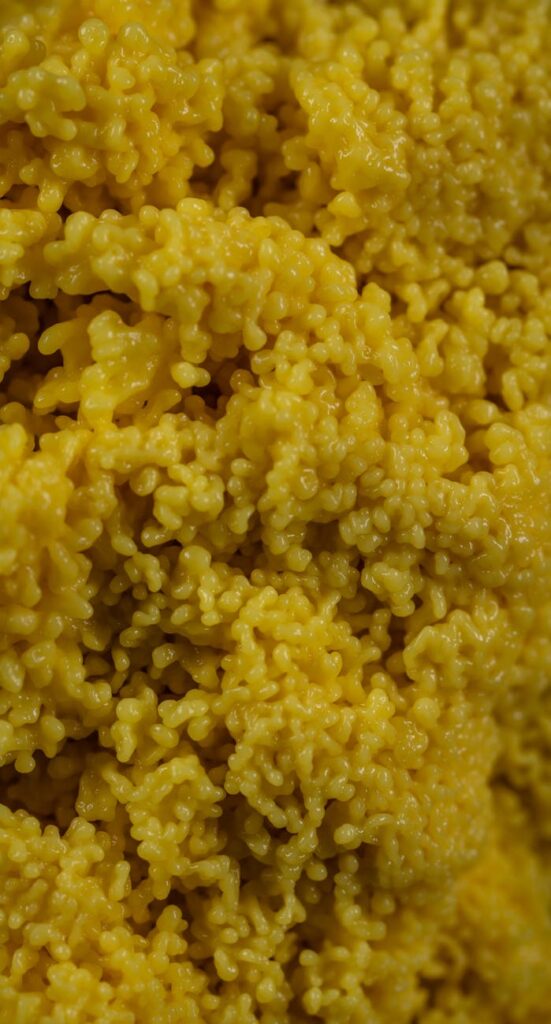
- Texture and Appearance: High-quality kefir grains are typically gelatinous and have a cauliflower-like appearance. They should be firm and not disintegrate easily.
- Microbial Diversity: A diverse microbial composition is essential for producing robust kefir. Quality grains should contain a balanced mix of lactic acid bacteria and yeasts.
- Fermentation Performance: The ability of the grains to ferment the liquid efficiently is a crucial quality indicator. Grains that produce a tangy, effervescent kefir are often considered superior.
- Origin and Cultivation: Grains sourced from reputable suppliers or traditional regions are generally more reliable in terms of quality. Local cultivation practices can also affect the grains’ resilience and fermentation capabilities.
- Dairy Products: Beyond simple kefir, grains can be used to produce other dairy products such as cheese and yogurt, enhancing their flavor and probiotic content.
- Baking: Kefir can serve as a leavening agent in baking, providing a tangy flavor to breads and pastries.
- Smoothies and Dressings: Kefir can be blended into smoothies or used as a base for salad dressings, imparting a creamy texture and nutritional benefits.
- Fermented Foods: Kefir grains can be used to ferment fruits and vegetables, creating unique pickled products.
- Beverages: Beyond milk, kefir grains can be used to ferment sugary liquids, creating refreshing drinks that vary based on the local climate and ingredients.
- Short-term Storage: If you plan to use the grains frequently, store them in a jar with fresh milk or sugar water at room temperature. This allows them to remain active.
- Long-term Storage: For extended storage,
Buying Considerations
When purchasing kefir grains, several factors should be taken into account to ensure you are acquiring high-quality products:
1. Source: Opt for grains sourced from reputable suppliers, preferably those specializing in traditional or artisanal fermentation practices. This can often guarantee a more authentic product.
2. Type of Grains: Decide whether you want milk kefir grains or water kefir grains, as they are distinct and have different fermentation requirements.
3. Freshness: Look for fresh grains that have been recently harvested. Stale grains may have diminished fermentation capabilities.
4. Documentation: Consider suppliers that provide information about the origin of the grains, including their microbial composition and any quality certifications.
5. Community Feedback: Reviews and testimonials can provide valuable insights into the reliability and performance of the grains.
Uses and Applications
Kefir grains are remarkably versatile and can be used in various culinary applications beyond traditional kefir beverages. Some notable uses include:
Storage and Shelf Life
Proper storage is crucial for maintaining the viability of kefir grains. Here are some guidelines: