
Kefir Lime Leaves Myths and Misconceptions
Introduction
Kefir lime leaves, known for their aromatic and citrusy fragrance, are a staple in Southeast Asian cuisine, particularly in Thai and Indonesian dishes. Despite their popularity, a range of myths and misconceptions surrounds these leaves, leading to confusion among culinary enthusiasts and home cooks alike. This article aims to demystify kefir lime leaves by exploring their origins, production, uses, and, importantly, addressing common misconceptions.
What Is Guides?
In the context of culinary ingredients, “guides” refer to comprehensive resources that educate consumers about specific ingredients, including their history, uses, and handling. For kefir lime leaves, such guides are essential for understanding their unique characteristics and applications in various cuisines. This article serves as a guide to kefir lime leaves, specifically focusing on debunking myths and misconceptions that may hinder their proper use.
History and Origins
Kefir lime leaves come from the kaffir lime tree, scientifically known as Citrus hystrix. Native to Southeast Asia, this tree has been cultivated for centuries not only for its fruit but also for its fragrant leaves. The leaves are often used in traditional cooking, herbal medicine, and even beauty products. The use of kefir lime leaves in regional cuisines dates back to ancient times, where they were valued for their aromatic qualities and flavor-enhancing properties.
The tree is believed to have originated in the tropical forests of Southeast Asia and has since spread to various regions, including parts of India, Africa, and the Caribbean. The unique flavor profile of the leaves has made them a coveted ingredient in dishes such as Thai curry, soups, and salads, while their essential oils have found applications in perfumes and aromatherapy.
Production and Processing
Kefir lime leaves are typically harvested from the kaffir lime tree, which can grow up to 5 meters tall. The leaves are dark green, glossy, and have a distinctive double-leaf structure that is easily recognizable.
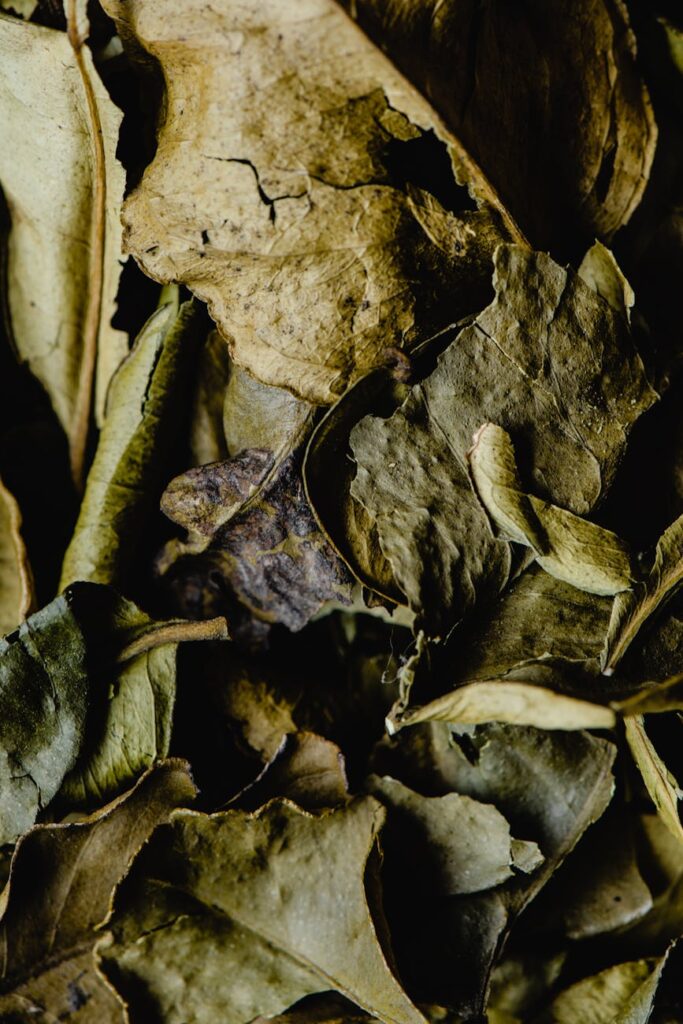
Once harvested, the leaves are usually washed and sorted to remove any impurities or damaged leaves. Depending on the region and intended use, the leaves may be used fresh or dried. Drying is generally done in controlled environments to preserve their aromatic oils and prevent spoilage. Properly dried kefir lime leaves maintain much of their flavor and scent, making them a versatile ingredient for culinary applications.
Quality and Grading
The quality of kefir lime leaves can vary significantly based on several factors, including the age of the leaves, the method of processing, and the conditions in which they were grown. Fresh leaves are generally preferred for their vibrant flavor and aroma, but dried leaves can also be of high quality if processed correctly.
When assessing quality, look for:
- Freshness: Fresh leaves should be vibrant green, with no signs of wilting or browning.
- Aroma: High-quality leaves emit a strong, citrusy aroma.
- Texture: The leaves should be pliable and not brittle, which indicates proper handling and storage.
- Soups and Curries: The leaves add a complex layer of flavor that balances out spiciness and richness.
- Salads: Shredded leaves can provide a refreshing element to salads.
- Marinades and Sauces: They impart a unique citrus note that can enhance meat and fish dishes.
- Infusions: Used in teas or as a flavoring agent in beverages, kefir lime leaves can add an aromatic quality.
- Fresh Leaves: Best stored in the refrigerator, wrapped in a damp paper towel and placed in a sealed plastic bag. They can last for up to two weeks under optimal conditions.
- Dried Leaves: Should be kept in an airtight container in a cool, dark place. Properly dried and stored leaves can last for several months, retaining their flavor and aroma.
In culinary contexts, grading is less formal but still important. Chefs often prefer high-quality, fresh leaves for their dishes to ensure the best possible flavor profile.
Buying Considerations
When purchasing kefir lime leaves, whether fresh or dried, several factors should be taken into account:
1. Source: It’s advisable to buy from reputable suppliers or markets known for high-quality produce. Local Asian grocery stores or specialized herb shops may offer fresher options.
2. Condition: Inspect the leaves for freshness. Fresh leaves should appear vibrant, while dried leaves should be aromatic and not overly brittle.
3. Organic Certification: If available, opt for organic leaves to avoid potential pesticide residues.
4. Quantity: Consider the amount needed for your recipe. Buying in bulk may be more economical for those who use kefir lime leaves regularly.
5. Storage: If buying in bulk, ensure you have proper storage options to maintain their quality over time.
Uses and Applications
Kefir lime leaves are primarily used for their distinctive flavor, which can elevate a variety of dishes. They are commonly employed in:
In addition to culinary uses, kefir lime leaves are often utilized in aromatherapy and natural beauty products for their refreshing scent and potential skin benefits.
Storage and Shelf Life
The storage and shelf life of kefir lime leaves depend on their form:
To extend shelf life, consider freezing fresh leaves. They can be chopped and stored in ice cube trays with water or oil, making them easy to use in future dishes.
Common Misconceptions
Despite the culinary versatility of kefir lime leaves, several myths and misconceptions persist:
1. Kefir Lime Leaves Are the Same as Regular Lime Leaves: This is a common misunderstanding. While both come from citrus trees, kefir lime leaves have a unique flavor profile that differs significantly from standard lime leaves.
2. Kefir Lime Leaves Are Toxic: Some people mistakenly believe that kefir lime leaves are toxic or in