
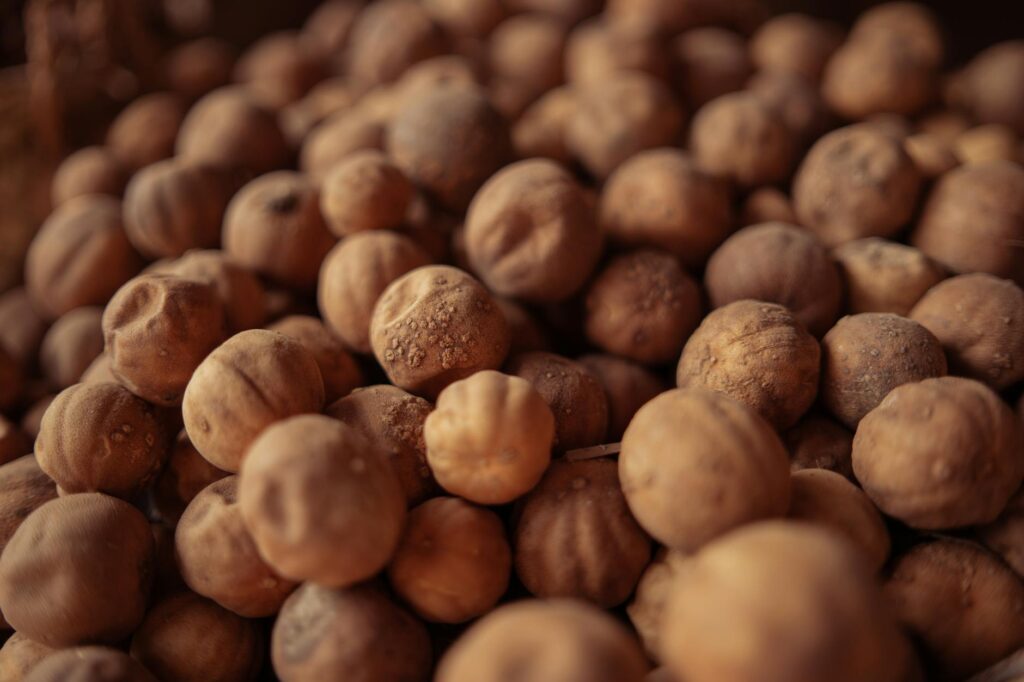
Kefir Lime: Origins and Evolution
Introduction
Kefir lime, a unique citrus fruit, is renowned for its distinctive aroma and flavor that elevates various culinary applications. Often confused with other lime varieties, kefir lime is more than just an ingredient; it represents a rich cultural heritage and a fascinating botanical history. This article delves into the origins, production, uses, and various aspects of kefir lime, providing a comprehensive understanding of this intriguing ingredient.
What Is Kefir Lime?
Kefir lime, scientifically known as Citrus hystrix, is a small, bumpy-skinned fruit native to Southeast Asia. It is part of the Rutaceae family, which includes other citrus fruits such as oranges, lemons, and limes. The fruit is typically green when unripe and turns yellow as it matures. However, it is most commonly harvested while still green. The leaves of the kefir lime plant are also prized for their aromatic qualities and are frequently used in a variety of dishes.
What sets kefir lime apart from other lime varieties is its complex flavor profile. The fruit has a tartness similar to that of a lime but also carries a unique herbal note, making it a favored addition in various culinary traditions, from Thai to Indonesian cuisine.
History and Origins
Kefir lime has a storied history that traces back to the lush landscapes of Southeast Asia, particularly in Thailand, Indonesia, and Malaysia. The fruit has been cultivated for centuries and is deeply ingrained in the culinary practices of these regions.
Historical texts suggest that kefir lime was used not only for its culinary attributes but also for its aromatic properties in traditional medicine and rituals. The leaves and fruit were employed in various cultural ceremonies, symbolizing prosperity and good fortune.
As globalization expanded, so did the reach of kefir lime. It found its way into the culinary practices of other regions, such as the Middle East and Western countries, where chefs and home cooks alike began to experiment with its unique flavor. Today, kefir lime is recognized worldwide, celebrated for its versatility and distinctive taste.
Production and Processing
Kefir lime trees thrive in tropical and subtropical climates, requiring warm temperatures and plenty of sunlight. The trees are relatively small, reaching heights of about 2 to 4 meters. They have thorny branches, which can deter pests but also require careful handling during harvesting.
Harvesting kefir lime is a labor-intensive process. The fruit is typically picked by hand to avoid damaging the delicate skin. After harvesting, the fruit is usually rinsed and sorted based on size and quality. The leaves, often referred to as kefir lime leaves, are also harvested and processed separately.
Once harvested, kefir lime can be used fresh or dried. The drying process involves removing moisture from the leaves and fruit, helping to concentrate their flavors. Dried kefir lime is often used in spice blends, while fresh leaves are utilized in cooking to impart their aromatic qualities.
Quality and Grading
When it comes to assessing the quality of kefir lime, several factors come into play, including size, color, and aroma. High-quality kefir limes are typically small and round with a vibrant green color. The skin should be slightly bumpy, indicating freshness and ripeness.
Grading often depends on the intended use. For culinary purposes, fresh kefir limes are preferred, while dried varieties may be graded based on their moisture content and overall flavor intensity. The leaves should be bright green and pliable, free from browning or discoloration, which can indicate age or improper storage.
Buying Considerations
When purchasing kefir lime, whether in a fresh or dried form, it is essential to consider several factors to ensure quality and flavor. Here are some key points to keep in mind:
1. Freshness: Look for limes that feel heavy for their size, indicating juiciness. Avoid fruits with blemishes or soft spots.
2. Aroma: Fresh kefir limes emit a strong, citrusy aroma. If the scent is faint, the fruit may not be as fresh.
3. Leaves: If purchasing kefir lime leaves, select those that are bright green and fragrant. Avoid any that are dry or wilting.
4. Source: Consider buying from reputable suppliers or farmers’ markets where you can ask about the product’s origin and freshness.
5. Storage: Fresh kefir limes should be stored in the refrigerator and consumed within a week for optimal flavor. Dried varieties should be kept in an airtight container in a cool, dark place.
Uses and Applications
Kefir lime serves as a versatile ingredient in numerous culinary applications. Its distinct flavor profile makes it an excellent addition to various dishes, particularly in Southeast Asian cuisine. Here are some common uses:
1. Sauces and Marinades: Kefir lime juice is often used in marinades for meats and seafood, providing a tangy brightness that complements rich flavors.
2. Soups and Curries: The leaves are frequently used in soups and curries, adding depth and aroma to the dish. Thai tom yum soup is a notable example where kefir lime leaves play a crucial role.
3. Salads: Fresh kefir lime juice can brighten up salads, providing a refreshing acidity that balances other ingredients.
4. Beverages: Kefir lime juice can also be used in cocktails and non-alcoholic drinks, offering a unique twist on traditional recipes.
5. Desserts: The zest of kefir lime can enhance desserts, lending a citrusy note to cakes and pastries.
Storage and Shelf Life
Proper storage is essential for maintaining the quality of kefir lime. Fresh kefir limes should be kept in the refrigerator and can last up to one week. To extend their shelf life, they can also be frozen