
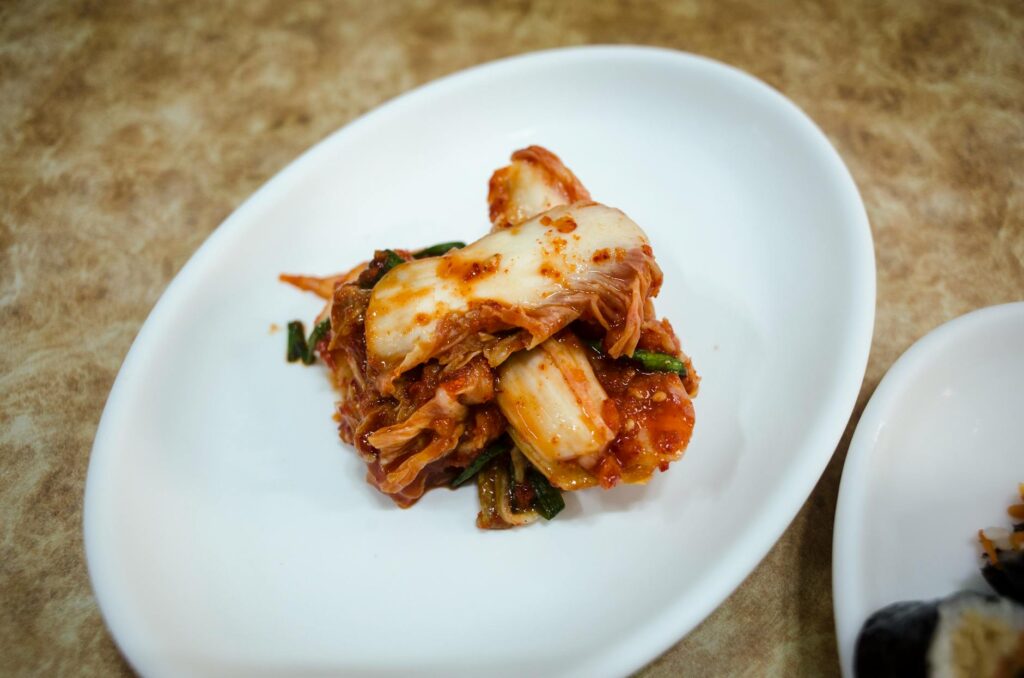
Kimchi Around the World
Introduction
Kimchi, a staple of Korean cuisine, has transcended its traditional boundaries to become a global culinary phenomenon. Recognized for its complex flavors, nutritional benefits, and versatility, kimchi is not merely a side dish but a cultural symbol. In exploring the various regional adaptations and interpretations of kimchi worldwide, we gain insights into diverse culinary practices and the rich history that informs them.
What Is Regions?
When discussing “regions” in the context of kimchi, we refer to the various geographical areas and cultural influences that shape its preparation and consumption. Each region boasts unique ingredients, techniques, and flavor profiles, resulting in an array of kimchi varieties. From the bustling streets of Seoul to kitchens in Los Angeles, kimchi is a testament to local tastes and traditions, demonstrating how a single ingredient can evolve beautifully across different cultures.
History and Origins
The origins of kimchi can be traced back to ancient Korea over two thousand years ago. Initially, fermented vegetables were prepared in clay pots to preserve them for winter months, mainly to utilize seasonal produce. The introduction of chili peppers from the Americas in the 17th century significantly transformed kimchi’s flavor profile, leading to the spicy varieties we recognize today.
Historically, kimchi was not just a dietary staple; it played a vital role in Korean culture. It was often prepared in large quantities during the fall harvest—an event known as “Kimjang”—to ensure families had enough provisions through the winter. This communal preparation of kimchi was recognized by UNESCO in 2013 as an Intangible Cultural Heritage, underscoring its importance in Korean society.
Production and Processing
The production of kimchi varies widely based on regional preferences and available ingredients. The core components typically include napa cabbage, radishes, garlic, ginger, and a variety of seasonings. However, the precise formulation can differ significantly. For instance, northern regions of Korea might emphasize less spicy, more fermented varieties, while southern regions favor bold, spicy flavors.
The fermentation process is crucial, as it not only develops flavor but also enhances the nutritional profile of the ingredients. Traditional methods involve layering vegetables with salt and seasoning and allowing them to ferment in jars or earthenware pots. Modern production often utilizes controlled environments to standardize fermentation times and conditions, ensuring safety and consistency.
Quality and Grading
The quality of kimchi can vary significantly based on factors such as ingredient quality, fermentation time, and preparation methods. High-quality kimchi typically features vibrant colors, a balanced flavor profile, and a pleasing aroma. Grading systems may not be formalized globally, but discerning consumers often look for signs of freshness, texture, and flavor complexity.
In South Korea, the quality of kimchi can be assessed by specific criteria, including the crunchiness of vegetables, the strength of the spice, and the overall balance of flavors. A superior kimchi should have a harmonious blend of spicy, sour, and umami notes, reflecting the skill of the producer.
Buying Considerations
When purchasing kimchi, several factors warrant consideration. Firstly, the ingredient list should be scrutinized. Authentic kimchi is made from natural ingredients without excessive preservatives or artificial flavors. Many artisanal producers emphasize organic or locally sourced vegetables.
Additionally, the fermentation level is crucial; some consumers prefer fresh, mildly fermented kimchi, while others enjoy deeply fermented versions with robust flavors. Packaging is also essential; look for jars or containers that are sealed properly to maintain freshness and prevent spoilage.
Lastly, consumers should consider regional varieties. For example, Napa cabbage kimchi (Baechu-kimchi) is the most recognized, but there are also numerous variations such as Kkakdugi (cubed radish kimchi) and Oi Sobagi (cucumber kimchi), each offering unique tastes and textures.
Uses and Applications
Kimchi is not limited to serving as a side dish. Its versatility allows it to be incorporated into a variety of culinary applications. In South Korea, it is commonly included in stews, fried rice, and pancakes, enhancing the flavor profile of these dishes. It can also be used as a topping for burgers and pizzas, or blended into sauces for a unique twist on classic recipes.
Globally, chefs are experimenting with kimchi in fusion cuisine. From kimchi tacos to kimchi quesadillas, the ingredient’s bold flavors lend themselves well to creative interpretations, allowing it to be embraced by diverse culinary traditions.
Storage and Shelf Life
Kimchi’s shelf life depends on several factors, including the fermentation stage, storage conditions, and the ingredients used. Properly fermented kimchi can last for several months when stored in a cool and dark place, such as a refrigerator. The flavors will continue to evolve over time, with more pronounced sourness as fermentation progresses.
However, it is essential to monitor kimchi for signs of spoilage, such as off-putting odors or an unusual texture. While mild fermentation is expected, overly sour or mushy kimchi may indicate that it has surpassed its optimal consumption period.
Common Misconceptions
Despite its growing popularity, several misconceptions about kimchi persist. One common myth is that all kimchi is extremely spicy. While many varieties do incorporate chili peppers, others, particularly those from northern regions, can be quite mild.
Another misconception is that kimchi is solely a Korean dish. While it is rooted in Korean culture, many countries have adopted and adapted kimchi to fit their culinary preferences. For example, in Japan, a variant known as “kimuchi” is often milder, while in the United States, chefs are experimenting with unique flavor combinations and ingredients.
Frequently Asked Questions
1. What are the main ingredients in kimchi?
Kimchi primarily consists of napa cabbage, radishes, garlic, ginger, and a variety of seasonings such as chili pepper, fish sauce, and salt. However, the