
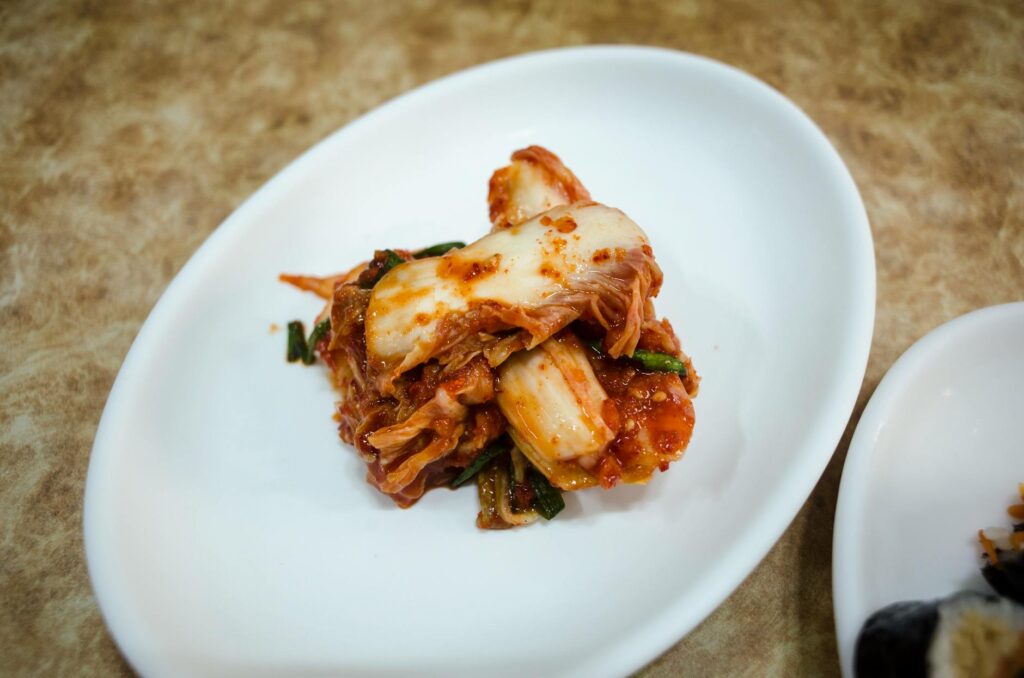
Kimchi FAQs Answered
Introduction
Kimchi, a staple of Korean cuisine, is more than just a side dish; it is a cultural icon that embodies the essence of Korean culinary traditions. This fermented vegetable dish, primarily made with napa cabbage and Korean radishes, is seasoned with a variety of ingredients, including chili pepper, garlic, ginger, and fish sauce. Beyond its unique flavor profile, kimchi is celebrated for its nutritional benefits and versatility in cooking. This article aims to provide a comprehensive guide to kimchi, addressing its history, production, quality, uses, and common misconceptions, along with answers to frequently asked questions.
What Is Kimchi?
Kimchi is a traditional Korean side dish made from fermented vegetables. The fermentation process not only enhances the flavor but also helps in preserving the vegetables, creating a dish that can last for months. While napa cabbage is the most commonly used vegetable, a variety of other ingredients can be included, such as cucumbers, radishes, and green onions. Kimchi is characterized by its spicy and tangy flavor, which results from the fermentation process and the use of chili powder (gochugaru).
History and Origins
The origins of kimchi date back over two thousand years, with historical records suggesting its existence during the Three Kingdoms period (57 BC – 668 AD). Initially, kimchi was created as a method of preserving vegetables through fermentation, a crucial technique in a time before refrigeration. Early versions of kimchi were simpler, often consisting of salted vegetables without the spices and seasoning that we associate with modern kimchi.
The evolution of kimchi has been influenced by various factors, including geography, climate, and cultural exchanges throughout history. The introduction of chili pepper to Korea in the late 17th century, after its arrival from the Americas, marked a significant turning point in kimchi’s development, leading to the spicy versions that are popular today.
Production and Processing
The production of kimchi involves several steps, from selecting fresh ingredients to the fermentation process. The primary components—vegetables, spices, and seasonings—are carefully chosen to ensure quality.
1. Selection of Ingredients: Fresh, high-quality vegetables are essential for making kimchi. The most common ingredients include napa cabbage, Korean radish, garlic, ginger, green onions, and chili powder. Additional ingredients, such as fish sauce or fermented shrimp, may be added for depth of flavor.
2. Preparation: The vegetables are typically salted to draw out moisture, which helps in the fermentation process. This step is crucial as it also enhances the flavor and texture.
3. Mixing: Once the vegetables are prepared, they are mixed with spices and seasonings. This mixture is then packed tightly into jars or containers to create an anaerobic environment, which is essential for fermentation.
4. Fermentation: The packed kimchi is left to ferment at room temperature for a period of time, which can range from a few days to several weeks, depending on the desired flavor and texture. After initial fermentation, kimchi is often transferred to a cooler environment, such as a refrigerator, to slow down the fermentation process.
Quality and Grading
The quality of kimchi can significantly vary based on several factors, including the freshness of ingredients, the fermentation time, and the balance of flavors. When evaluating kimchi, several criteria can be considered:
- Appearance: High-quality kimchi should have vibrant colors, particularly a bright red hue from gochugaru. The vegetables should appear crisp and intact.
- Aroma: A well-fermented kimchi should have a pleasant, tangy aroma without any unpleasant odors.
- Texture: The vegetables should retain a certain level of crunchiness, which is a sign of proper fermentation.
- Flavor: The taste should be a harmonious balance of spicy, sour, and umami flavors. Overly sour or salty kimchi may indicate poor quality or over-fermentation.
- Side Dish: Kimchi is typically served alongside rice and other Korean dishes, providing a spicy, tangy counterpoint to rich flavors.
- Soups and Stews: Kimchi can be added to soups and stews, such as kimchi jjigae, enhancing the dish with its complex flavors.
- Fried Rice and Noodles: It can be mixed into fried rice or noodle dishes for an added layer of flavor.
- Tacos and Wraps: In recent years, kimchi has found its way into fusion cuisine,
Grading systems for kimchi vary, but they often include classifications based on flavor, texture, and appearance, aiding consumers in selecting high-quality products.
Buying Considerations
When purchasing kimchi, several factors should be taken into account to ensure you choose the best option:
1. Freshness: Look for kimchi that has been recently made, as fresher kimchi tends to have a better flavor and texture. Check the packaging date if available.
2. Ingredients: Review the ingredient list to ensure that it contains natural ingredients without excessive preservatives or artificial additives.
3. Fermentation Level: Depending on personal preference, you may want to choose kimchi that has been fermented for a shorter or longer period. Shorter fermentation results in a milder flavor, while longer fermentation yields a tangier taste.
4. Packaging: Opt for kimchi that is packaged in airtight containers to prevent exposure to air, which can compromise quality.
5. Local vs. Imported: Consider purchasing locally made kimchi, as it often reflects regional flavors and may be fresher than imported varieties.
Uses and Applications
Kimchi is incredibly versatile and can be used in a variety of culinary applications. While it is traditionally served as a side dish, it can also be incorporated into main dishes or used as a flavor enhancer. Some common uses include: