
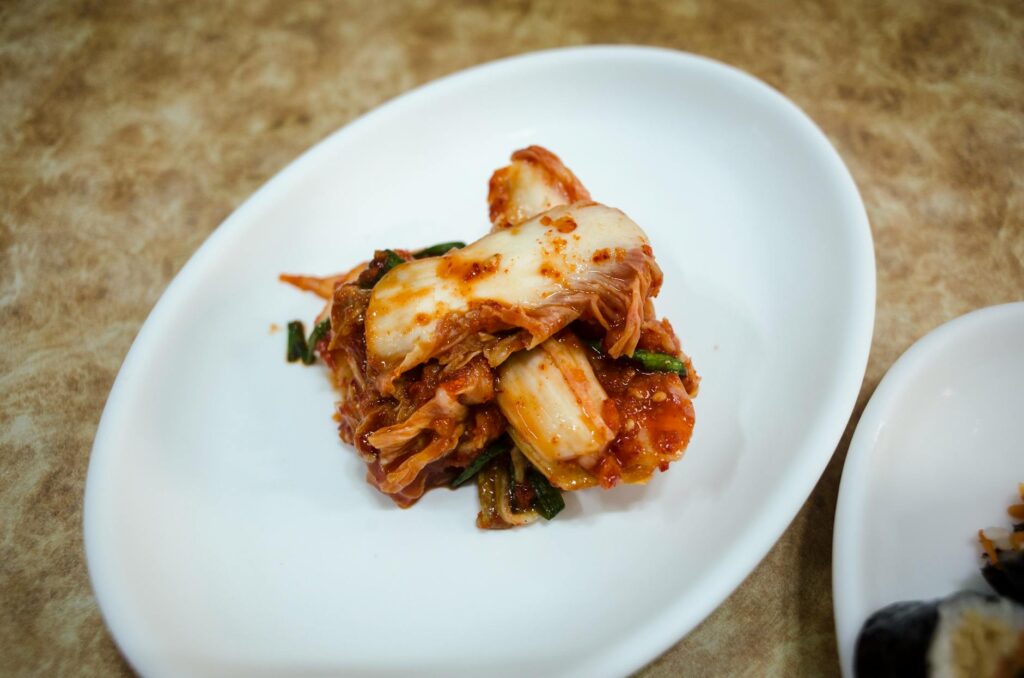
Kimchi in Traditional Cuisine
Introduction
Kimchi, a quintessential element of Korean culinary tradition, has evolved into a globally recognized ingredient celebrated for its unique flavors and health benefits. This fermented vegetable dish, primarily made from napa cabbage and radishes, is rich in spices, particularly chili pepper, garlic, ginger, and fish sauce. Beyond its immediate sensory appeal, kimchi plays a multifaceted role in traditional cuisine, serving as a side dish, condiment, and even a main ingredient in various recipes. This article delves into the uses of kimchi within traditional cuisine, tracing its history, production methods, and applications, while also addressing common misconceptions and frequently asked questions.
What Is Uses?
In the context of culinary ingredients, “uses” refers to the various applications and roles that a particular ingredient can fulfill in cooking and food preparation. For kimchi, its uses extend far beyond being a mere side dish. It acts as a flavor enhancer, a base for soups, and even an ingredient in fried rice and pancakes. Understanding the diverse uses of kimchi enriches our appreciation of this traditional Korean staple and showcases its versatility in both traditional and contemporary cuisine.
History and Origins
Kimchi has a rich history that dates back thousands of years. Historical records suggest that the earliest forms of kimchi were developed during the Three Kingdoms period of Korea, around the 7th century AD. Initially, kimchi was a simple dish made from preserved vegetables with salt, intended to sustain people during harsh winters. The introduction of chili pepper in the late 16th century transformed kimchi into the vibrant and spicy dish that it is known for today.
Over the centuries, regional variations of kimchi have emerged, reflecting the diverse climates, agricultural practices, and cultural influences within Korea. Each region boasts its unique spin on the dish, incorporating locally sourced vegetables and different fermentation techniques. Today, kimchi is not only a staple in Korean households but has also gained international acclaim, inspiring chefs and food enthusiasts around the world.
Production and Processing
The production of kimchi involves several stages, including selection, preparation, fermentation, and storage. The key ingredients typically include napa cabbage, radishes, garlic, ginger, chili powder, and fish sauce.
1. Selection: High-quality, fresh vegetables are essential for making good kimchi. Napa cabbage is generally the primary ingredient, while Korean radishes (mu) are also commonly used.
2. Preparation: The vegetables are usually salted to draw out moisture, which helps in the fermentation process. This step also enhances the crunchiness of the final product.
3. Fermentation: Fermentation is the heart of kimchi production. The salted vegetables are mixed with the spice paste, then packed tightly into jars. The fermentation process can vary in duration, typically lasting from a few days to several weeks, depending on desired taste and temperature.
4. Storage: Once fermented, kimchi can be stored in a cool place or refrigerated to slow down further fermentation. The flavor of kimchi continues to evolve over time, with older kimchi developing a more intense taste.
Quality and Grading
The quality of kimchi can vary significantly based on several factors, including ingredient selection, fermentation time, and preparation methods. High-quality kimchi typically exhibits a balance of flavors, with the spiciness, sourness, and umami working harmoniously.
Grading kimchi often involves sensory evaluations, focusing on appearance, texture, aroma, and taste. Fresh kimchi should have a vibrant color, a crunchy texture, and a fragrant aroma. Conversely, over-fermented kimchi may become excessively sour and lose its appealing crunch.
Buying Considerations
When purchasing kimchi, several factors should be taken into account to ensure quality and authenticity:
1. Ingredients: Look for kimchi made from natural ingredients without artificial preservatives. Authentic kimchi generally contains minimal additives.
2. Fermentation Time: Consider the fermentation time, as longer fermentation may result in a more pungent flavor. Some consumers prefer fresh kimchi, while others enjoy the complexity of aged varieties.
3. Packaging: Choose kimchi that is appropriately packaged to maintain freshness. Vacuum-sealed containers can help prevent spoilage.
4. Regional Varieties: Explore different regional varieties to experience the diverse flavors and ingredients used in kimchi across Korea.
5. Local Producers: If possible, support local producers or traditional artisans who emphasize quality and authenticity in their kimchi-making practices.
Uses and Applications
Kimchi’s versatility extends far beyond being a standalone side dish. Here are some of its primary uses in traditional cuisine:
1. Side Dish: Kimchi is most commonly served as a banchan (side dish) in Korean meals, providing a spicy, tangy contrast to savory dishes.
2. Flavoring Agent: The complex flavors of kimchi enhance various dishes, from stews and soups to fried rice. A spoonful of kimchi can elevate the taste profile of many recipes.
3. Kimchi Stew (Kimchi Jjigae): A beloved Korean comfort food, kimchi stew is made with aged kimchi, tofu, and pork or tuna. The fermentation process of the kimchi imparts a deep, rich flavor to the stew.
4. Kimchi Fried Rice (Kimchi Bokkeumbap): This popular dish incorporates stir-fried rice with chopped kimchi, vegetables, and often an egg on top. The kimchi adds an umami kick that makes for a satisfying meal.
5. Kimchi Pancakes (Kimchi Jeon): These savory pancakes combine flour, water, and chopped kimchi, creating a crispy treat that’s often enjoyed as a snack or appetizer.
6. Condiment: Kimchi can be used as a condiment for various dishes, adding a spicy kick to tacos, burgers,