
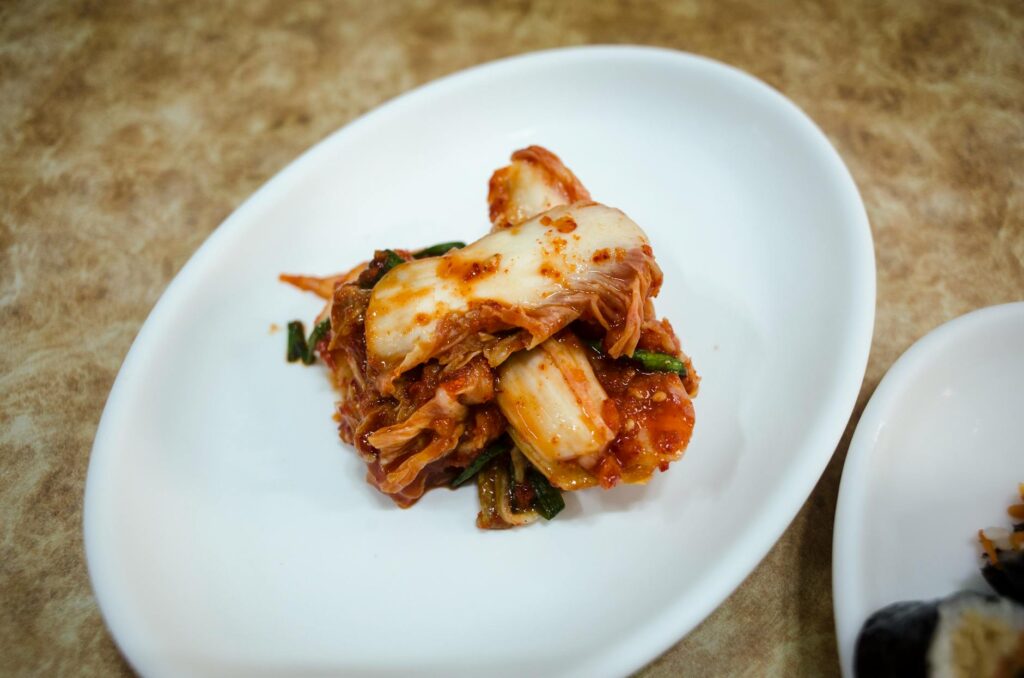
Kimchi Production by Country
Introduction
Kimchi, a traditional Korean dish made from fermented vegetables, particularly napa cabbage and radishes, has garnered global acclaim for its unique flavor profiles and health benefits. While it is most commonly associated with Korea, the art of kimchi production has transcended borders, leading to diverse interpretations and methods across various countries. Understanding the nuances of kimchi production in different regions can deepen our appreciation for this iconic dish.
What Is Regions?
In the context of kimchi, “regions” refers to the various geographical areas that produce their unique versions of kimchi, often influenced by local ingredients, culinary traditions, and fermentation techniques. Each region’s climate, agricultural practices, and cultural heritage contribute to the distinct flavors and styles of kimchi. This regional diversity enriches the overall kimchi experience, showcasing the adaptability of this dish across different environments and culinary practices.
History and Origins
The roots of kimchi can be traced back over two thousand years in Korea. Initially, it was a method of preserving vegetables through fermentation, a necessity in agrarian societies. Early forms of kimchi were simpler, often consisting of salted vegetables without the complex seasonings we associate with modern kimchi.
The introduction of red chili pepper, imported from the Americas in the 16th century, revolutionized kimchi, leading to the vibrant, spicy varieties that are now iconic. Over time, regional variations emerged, with each area adapting kimchi to its local ingredients and cultural practices. This evolution is particularly notable in Korea, where each province boasts its own unique recipes and methods, reflecting the rich tapestry of Korean culinary heritage.
Production and Processing
Korea
In Korea, kimchi production is a meticulous process that often involves families coming together for seasonal “kimjang,” a communal event where large quantities of kimchi are prepared for winter storage. Traditional methods include salting the vegetables, making a spice paste from ingredients like garlic, ginger, and chili pepper, and allowing the mixture to ferment in jars or clay pots.
The production process varies by region. For instance, in the northern provinces, where temperatures are colder, kimchi is often fermented for longer periods, resulting in a more pungent flavor. In contrast, the southern regions, characterized by warmer climates, favor quicker fermentation methods that yield fresher, crisper flavors.
Outside Korea
Outside of Korea, countries such as Japan, China, and Vietnam have embraced kimchi, adapting it to their local tastes and ingredients. In Japan, for example, “kimuchi” is often sweeter and less spicy than its Korean counterpart, reflecting Japanese culinary preferences. Similarly, in China, variations like “suan cai” showcase different fermentation methods, often incorporating local vegetables and spices.
Quality and Grading
The quality of kimchi can vary significantly based on ingredients, production methods, and fermentation duration. In Korea, there are established grading systems to evaluate kimchi based on criteria such as flavor, aroma, and appearance. High-quality kimchi should have a balanced flavor profile, with the right level of spiciness and tanginess, and should be visually appealing, with vibrant colors.
The fermentation process also plays a crucial role in determining quality. Properly fermented kimchi should have a pleasant sourness and complexity, while over-fermented kimchi may become overly pungent and unpalatable. In international markets, quality assurance is essential, as consumers increasingly seek authentic and high-quality products.
Buying Considerations
When purchasing kimchi, whether from local markets or international brands, several factors should be considered:
1. Ingredients: Look for kimchi made from fresh, high-quality ingredients. Authentic kimchi should list vegetables, spices, and fermentation agents without artificial preservatives.
2. Fermentation Time: Some brands indicate how long their kimchi has been fermented. Longer fermentation times can result in a sourer flavor, while shorter times yield fresher tastes.
3. Origin: Consider the country of origin, as this can influence the flavor and style. Korean kimchi is often more complex and varied, while adaptations from other countries may cater to local palates.
4. Packaging: Check for airtight packaging to ensure the kimchi retains its freshness. Vacuum-sealed packages can help preserve flavor and texture.
5. Taste Preferences: With diverse styles available, it’s beneficial to try different types of kimchi to find your preferred flavors and textures.
Uses and Applications
Kimchi is incredibly versatile, finding its way into various culinary applications beyond being a simple side dish. It can be used as an ingredient in:
- Soups and Stews: Kimchi jjigae (kimchi stew) is a beloved dish in Korea, combining kimchi with tofu, pork, or seafood in a savory broth.
- Fried Rice: Adding kimchi to stir-fried rice creates a spicy, flavorful dish that elevates the traditional recipe.
- Tacos and Wraps: In fusion cuisine, kimchi is increasingly used as a topping for tacos or in wraps, offering a unique twist on classic flavors.
- Salads: Kimchi can be diced and incorporated into salads for added crunch and flavor.
- Appetizers: It can be served with various dips or as part of a tasting platter.
The adaptability of kimchi allows chefs and home cooks alike to experiment and incorporate this ingredient into diverse culinary contexts.
Storage and Shelf Life
Kimchi’s longevity is one of its appealing features. Properly fermented and stored in airtight containers, kimchi can last for several months in the refrigerator. Its flavors may continue to evolve over time, becoming more intense and sour as fermentation progresses.
To maintain quality, it is essential to keep the kimchi submerged in its brine, minimizing exposure to air. Commercially produced kimchi often comes with specific storage instructions, which should be followed for optimal freshness. In contrast,