
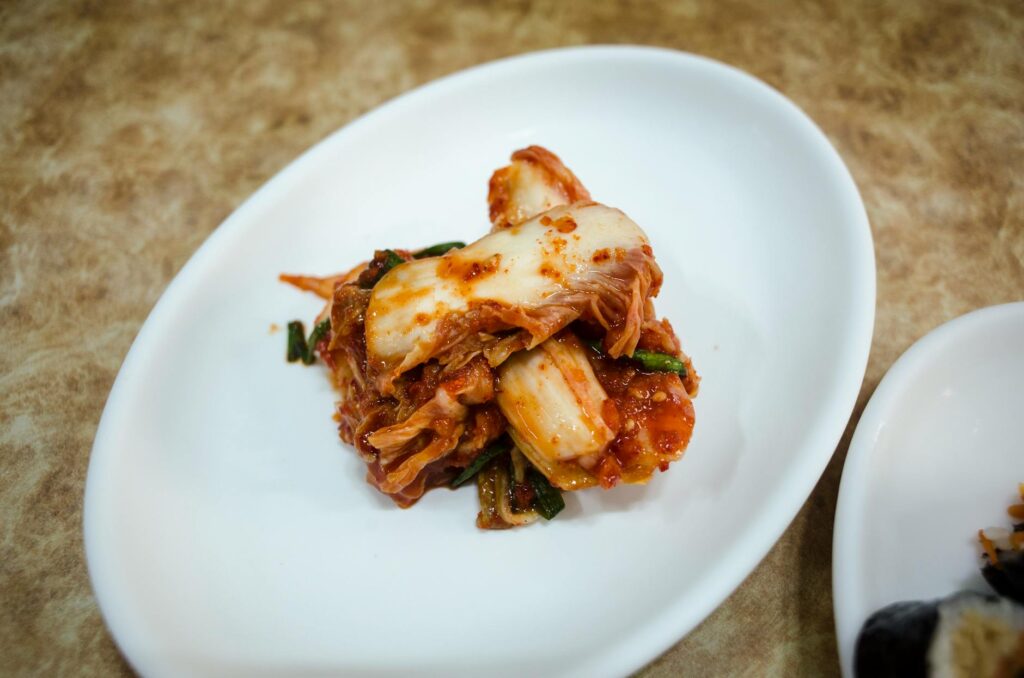
Kimchi Regions Guide Part 6
Introduction
Kimchi, the iconic fermented dish of Korea, is celebrated not only for its bold flavors but also for its regional variations that reflect the diversity of the country’s geography and culture. This guide delves into the various regions within the realm of kimchi, exploring how local ingredients, traditions, and climatic conditions influence the preparation and characteristics of this beloved staple. Understanding these nuances enriches both the appreciation of kimchi and the culinary experience it offers.
What Is Regions?
In the context of kimchi, “regions” refers to the distinct areas within Korea where specific styles and recipes of kimchi are produced. Each region boasts unique ingredient selections, fermentation techniques, and flavor profiles that are influenced by local customs, climate, and available resources. This regional diversity not only contributes to the rich tapestry of Korean cuisine but also offers insights into the cultural identity of each locale.
History and Origins
The history of kimchi can be traced back over 2,000 years, initially as a method of preserving vegetables for long periods. The earliest forms of kimchi were simple pickles made with salt and spices, but as trade routes expanded, ingredients such as chili peppers, garlic, and ginger were introduced, transforming the dish into the flavorful staple it is today.
Regional variations began to emerge as different areas adapted kimchi recipes to utilize locally available ingredients. For example, the coastal regions incorporated seafood into their kimchi, while mountainous areas used wild herbs and roots. This evolution reflects not only the agricultural practices of these regions but also their climatic conditions, which play a vital role in fermentation processes.
Production and Processing
Kimchi production varies significantly by region, with each area employing techniques that enhance the unique characteristics of their local ingredients.
Northern Regions
In the northern provinces, where the climate is colder, kimchi is often made using napa cabbage and radishes, which are harvested in late autumn before the first frost. The fermentation process in these regions tends to be slower, resulting in a tangy flavor with a crunchy texture.
Southern Regions
Conversely, southern regions, known for their warmer climate, often utilize a variety of vegetables and spices, including green onions and chili powder. The fermentation process is typically faster here, leading to a bolder and spicier flavor profile. In Jeolla Province, for instance, the use of fresh seafood, such as oysters or salted shrimp, adds umami richness to the kimchi.
Urban Centers
In urban centers like Seoul, kimchi production has also evolved to accommodate modern tastes and convenience. Commercially produced kimchi often incorporates preservatives and is packaged for easy consumption, though many artisans still adhere to traditional methods.
Quality and Grading
The quality of kimchi can vary widely, influenced by factors such as ingredient freshness, fermentation duration, and preparation methods. In Korea, kimchi is often graded based on several criteria:
- Ingredient Quality: Fresh, seasonal vegetables yield the best kimchi.
- Fermentation Process: Optimal fermentation times vary; too short may result in blandness, while excessive fermentation can lead to overly sour flavors.
- Texture and Flavor: Well-made kimchi should have a crunchy texture and a balanced flavor profile, combining spicy, sour, and umami elements.
- Side Dish: Traditionally served as a banchan (side dish) in Korean meals, kimchi complements a variety of main dishes.
- Ingredient: It can be incorporated into fried rice, stews, and pancakes, adding depth and complexity to the flavor profile.
- Toppings: Kimchi is often used as a topping for burgers, tacos, and sandwiches, providing a zesty crunch.
- Infusions: Some chefs experiment by infusing kimchi flavors into sauces, marinades, or even cocktails.
- Refrigeration: Store kimchi in the refrigerator to slow down fermentation. A tightly sealed container helps to maintain its freshness and prevent odors from affecting other foods.
- Consumption Timeline: Fresh kimchi is best consumed within 1-2 months for optimal crunch and flavor. As it ferments over time, it will become sourer but can still be enjoyed in various dishes.
- Freezing: While freezing kimchi is possible, it can alter the texture. For long-term storage, consider using it in cooked dishes after thawing
Artisanal kimchi producers often emphasize traditional methods and high-quality ingredients, which can make their products more expensive but also more flavorful.
Buying Considerations
When purchasing kimchi, whether from a market or a specialty store, several factors should be taken into account:
1. Type of Kimchi: Familiarize yourself with the different styles of kimchi, such as baechu (napa cabbage) kimchi, kkakdugi (cubed radish) kimchi, or chonggak (young radish) kimchi.
2. Ingredients: Look for kimchi made with fresh, organic vegetables and minimal additives. Traditional kimchi often contains natural fermentation agents like garlic and ginger.
3. Fermentation Date: Freshness is crucial for optimal flavor. Check the fermentation date on the packaging to ensure the kimchi is within the ideal consumption window.
4. Regional Origin: Explore different regional varieties of kimchi to find a flavor profile that suits your palate. Each region offers a unique take on this classic dish.
Uses and Applications
Kimchi is incredibly versatile, finding its way into a wide array of culinary applications beyond being a standalone dish. Some of its common uses include:
The adaptability of kimchi makes it a dynamic ingredient that can elevate any dish.
Storage and Shelf Life
The storage and shelf life of kimchi largely depend on its fermentation stage and the method of preparation. Proper storage is essential to maintain flavor and texture: