
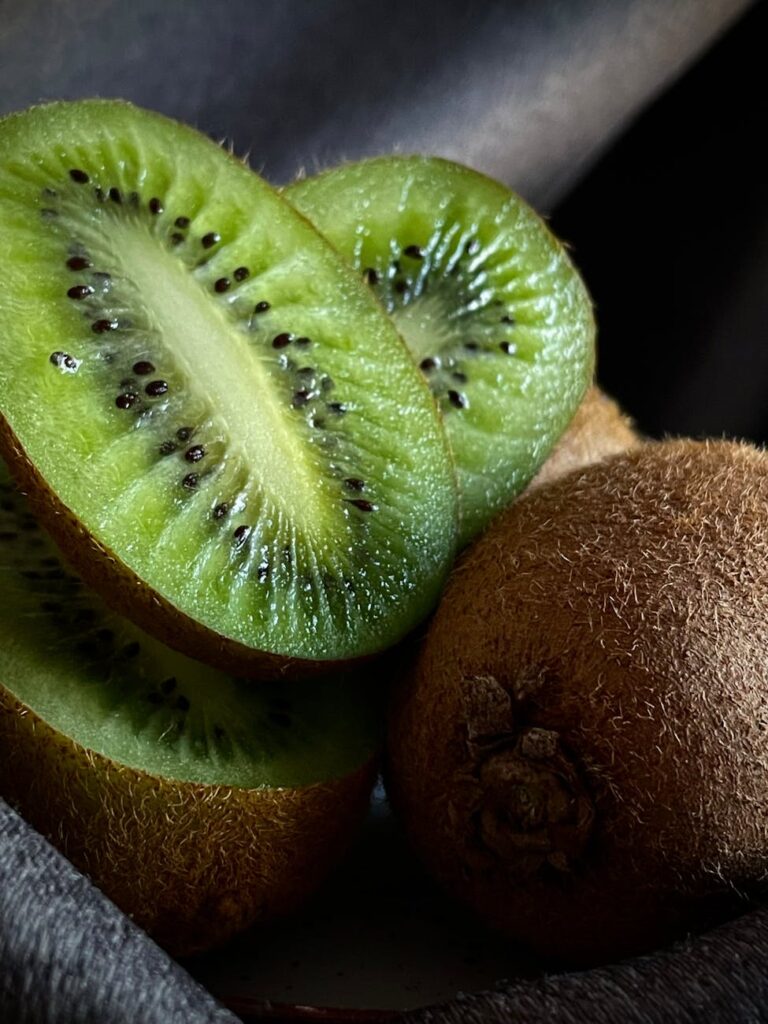
Kiwifruit Buying Guide Part 7
Introduction
Kiwifruit, often celebrated for its vibrant green flesh and unique tart-sweet flavor, has become a staple in markets around the world. As the global demand for fresh, nutritious fruits continues to rise, understanding the nuances of buying kiwifruit is essential for consumers. This guide aims to provide an in-depth look at various aspects of purchasing kiwifruit, from its origins and production to quality grading and storage tips. By the end, readers will be better equipped to make informed decisions when selecting this delightful fruit.
What Is Buying?
In the context of food ingredients, “buying” encompasses the process of selecting and purchasing products that meet specific quality and freshness standards. For kiwifruit, this involves understanding various attributes such as ripeness, appearance, and sourcing. A well-informed buyer can navigate the complexities of the market to find the best kiwifruit, ensuring both flavor and quality in culinary applications.
History and Origins
Kiwifruit, originally known as the Chinese gooseberry, hails from the mountainous regions of China. Its cultivation dates back over 700 years, primarily in the Yangtze River valley. The fruit was introduced to New Zealand in the early 20th century, where it was renamed “kiwifruit” after the native kiwi bird, symbolizing its New Zealand heritage. The commercialization of kiwifruit began in the 1950s, and it has since become a global phenomenon, with significant production in countries such as Italy, Greece, and the United States.
Production and Processing
Kiwifruit thrives in temperate climates, requiring well-drained soil and a good balance of sunlight and shade. The fruit grows on vigorous vines and typically takes around 30 weeks from flowering to harvest. The harvest season varies by region; in New Zealand, for example, kiwifruit is harvested from March to May, while in Italy, the season runs from October to December.
Post-harvest, kiwifruit undergoes careful handling to maintain quality. The fruit is typically washed, sorted, and graded based on size and ripeness. Some producers employ controlled atmosphere storage techniques to extend shelf life and preserve flavor. Understanding these production and processing methods is crucial for buyers looking for the freshest options.
Quality and Grading
The quality of kiwifruit is determined by several factors, including size, color, firmness, and sugar content. Grading systems vary by country, but generally, kiwifruit is categorized into three main grades:
1. Grade A: This is the highest quality, featuring uniform size, vibrant color, and a firm texture. The fruit should be free from blemishes and have a high sugar content.
2. Grade B: This grade is still acceptable for consumption but may have slight imperfections in appearance or texture. It may be slightly softer than Grade A but should still be flavorful.
3. Grade C: Often used for processing or culinary applications, Grade C kiwifruit may have visible imperfections, uneven sizes, or a lower sugar content. While still edible, it may not be suitable for fresh consumption.
When purchasing kiwifruit, it is advisable to look for Grade A fruit, especially if it will be consumed raw.
Buying Considerations
When purchasing kiwifruit, consider the following factors to ensure optimal quality:
Freshness
Freshness is critical for flavor and texture. Look for kiwifruit that feels slightly firm to the touch. A ripe kiwifruit will yield to gentle pressure but should not feel mushy.
Appearance
Choose kiwifruit that is free from bruises, blemishes, or signs of mold. The skin should be a vibrant brown, and the flesh should be a bright green when cut open.
Sourcing
Consider where the kiwifruit is sourced. Local fruits may provide superior freshness, but imported options can also be of high quality. Familiarize yourself with the peak seasons for kiwifruit in various regions to ensure you are purchasing at the right time.
Organic vs. Conventional
Organic kiwifruit is grown without synthetic pesticides and fertilizers, which may appeal to buyers concerned about chemical residues. However, conventional kiwifruit can also be safe and flavorful if sourced from reputable growers.
Ripeness
If you plan to consume kiwifruit shortly after purchase, select fruit that is ripe. If you intend to store it for a few days, choose slightly underripe fruit to allow for continued ripening at home.
Uses and Applications
Kiwifruit is an incredibly versatile ingredient in culinary applications. Its unique flavor profile complements a wide array of dishes, making it suitable for both sweet and savory preparations. Common uses include:
- Salads: Kiwifruit adds a refreshing contrast to mixed greens and can enhance both color and flavor.
- Desserts: The fruit can be used in tarts, cakes, and sorbets, providing a natural sweetness and vibrant color.
- Smoothies: Kiwifruit’s tartness pairs well with other fruits, making it a popular choice for smoothies.
- Salsas: Its acidity can brighten up savory dishes, making it an excellent addition to salsas and marinades.
- Room Temperature: Unripe kiwifruit can be stored at room temperature until they ripen. Place them in a bowl away from direct sunlight.
- Refrigeration: Once ripe, kiwifruit should
Additionally, kiwifruit is often used in beverages, both alcoholic and non-alcoholic, and can serve as a garnish for cocktails, adding an exotic touch.
Storage and Shelf Life
Proper storage is crucial for extending the shelf life of kiwifruit. Here are some guidelines: