
Kohlrabi About Guide Part 7
Introduction
Kohlrabi, often overshadowed by more popular vegetables, is a unique member of the Brassica family, which includes broccoli, cabbage, and kale. Known for its distinctive bulbous shape and crisp texture, kohlrabi is gaining recognition in culinary circles and health-conscious kitchens alike. This guide will delve into the multifaceted world of kohlrabi, exploring its history, production, uses, and more.
What Is Kohlrabi?
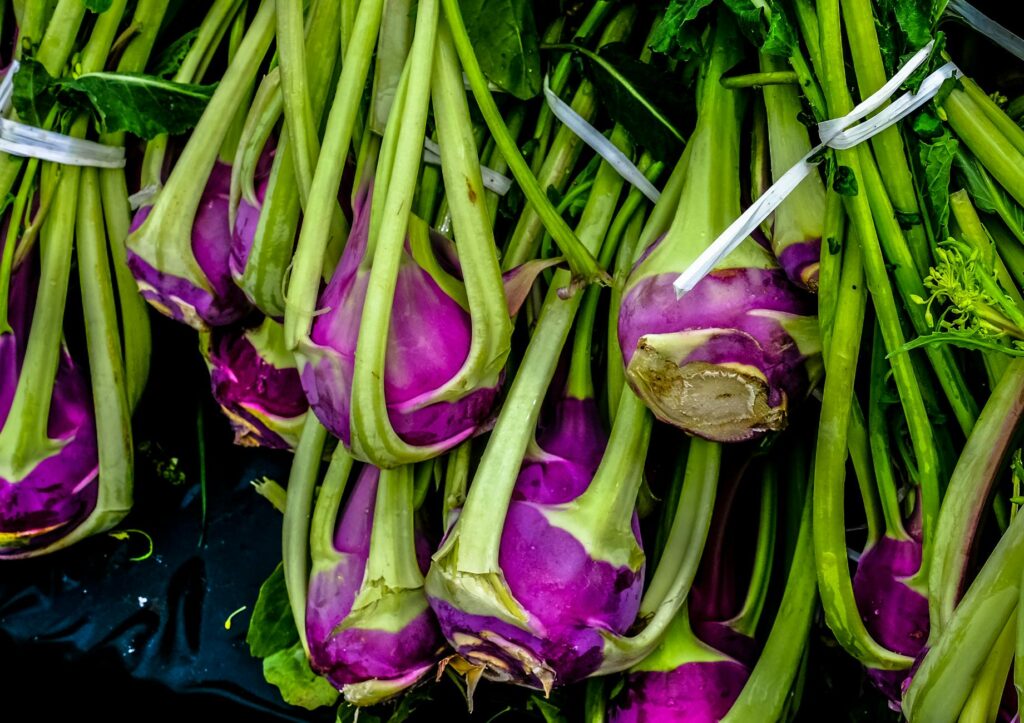
Kohlrabi, scientifically referred to as Brassica oleracea var. gongylodes, is a biennial vegetable that is cultivated for its edible stem, which develops into a swollen bulb above ground. This bulb can be green or purple, depending on the variety, and has a mild, slightly sweet flavor reminiscent of a cross between cabbage and a turnip. The leaves of the plant are also edible and can be used in a variety of culinary applications. Kohlrabi is typically consumed raw, cooked, or pickled, making it a versatile ingredient in many cuisines.
History and Origins
Kohlrabi’s origins can be traced back to Europe, particularly the Mediterranean region, where it has been cultivated since at least the 1500s. The name “kohlrabi” is derived from the German words “kohl” (cabbage) and “rübe” (turnip), reflecting its close kinship with these vegetables. It spread throughout Europe and eventually made its way to North America, where it has been embraced by both home gardeners and commercial growers. Today, kohlrabi is cultivated in various parts of the world, including Asia, where it is known as “turnip cabbage.”
Production and Processing
Kohlrabi thrives in temperate climates and is typically sown in early spring or late summer, as it prefers cooler temperatures. The plant can reach maturity in about 50 to 70 days, depending on the variety and growing conditions. Farmers often utilize crop rotation and companion planting to enhance kohlrabi’s growth and minimize pest issues.
Once harvested, kohlrabi can be cleaned and processed for various applications. The bulbs are often peeled to remove the tough outer layer, revealing the crisp, white flesh inside. The leaves can also be harvested and used similarly to other leafy greens. In commercial settings, kohlrabi is often packaged and shipped fresh, but it can also undergo pickling or freezing for longer shelf life.
Quality and Grading
The quality of kohlrabi is assessed based on several factors, including size, shape, color, and texture. High-quality kohlrabi should be firm to the touch, free from blemishes or soft spots, and exhibit a vibrant color—be it green or purple. The leaves should also be fresh and crisp, as wilting can indicate age or improper storage. In terms of grading, kohlrabi may be classified into different categories based on size and overall quality, with higher grades commanding better prices in the market.
Buying Considerations
When purchasing kohlrabi, whether at a farmer’s market or a grocery store, several factors should be taken into account:
1. Appearance: Look for kohlrabi bulbs that are firm, smooth, and free from cracks or soft spots. The leaves should be fresh and not yellowing or wilting.
2. Size: Smaller bulbs are generally more tender and flavorful, while larger ones may have a tougher texture and stronger flavor. Aim for bulbs that are about the size of a baseball for the best taste.
3. Freshness: Check for signs of freshness, such as vibrant color and crisp leaves. If possible, inquire about the harvest date to ensure you’re purchasing recently harvested kohlrabi.
4. Organic vs. Conventional: Depending on your preferences, you may choose to buy organic kohlrabi, which is grown without synthetic pesticides or fertilizers. Be sure to check for certifications if this is important to you.
5. Seasonality: Kohlrabi is typically in season during the spring and fall months. Buying in season can enhance the flavor and freshness of the vegetable.
Uses and Applications
Kohlrabi is a versatile ingredient that can be utilized in various culinary applications:
- Raw: Its crisp texture makes kohlrabi an excellent addition to salads and slaws. It can be thinly sliced or julienned and paired with dressings or dips.
- Cooked: Kohlrabi can be steamed, sautéed, or roasted. It absorbs flavors well, making it a great addition to stir-fries or casseroles.
- Pickled: The bulb’s mild taste lends itself well to pickling, creating a tangy accompaniment for sandwiches and charcuterie boards.
- Juicing: In recent years, kohlrabi has been incorporated into juices and smoothies for its nutritional benefits and refreshing flavor.
- Leaves: The leaves are also edible and can be used in the same way as other leafy greens, such as in stir-fries or soups.
Storage and Shelf Life
To maximize the shelf life of kohlrabi, proper storage is essential. Fresh kohlrabi can be kept in the refrigerator, unwashed and in a plastic bag, for up to two weeks. It’s best to store the bulbs separately from the leaves, as the leaves can draw moisture from the bulbs, causing them to spoil more quickly. If you have cut kohlrabi, it should be wrapped tightly in plastic wrap and consumed within a few days for optimal freshness.
For longer-term storage, kohlrabi can be blanched and frozen. This process involves briefly boiling the kohlrabi before cooling it in ice water, which helps preserve its color, flavor, and nutritional content