
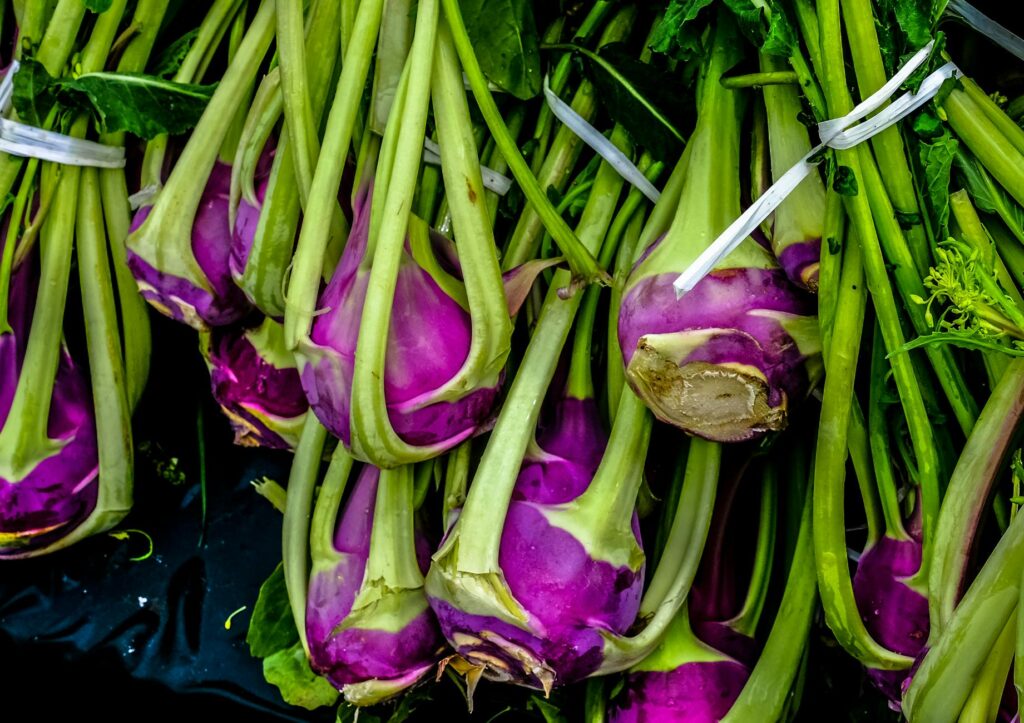
Kohlrabi Grading Explained
Introduction
Kohlrabi, a member of the Brassica family, has captured the attention of culinary enthusiasts and health-conscious consumers alike. This unique vegetable, characterized by its bulbous stem and leafy green tops, offers a crisp texture and a mildly sweet flavor. However, before it graces the plates of gourmet restaurants or home kitchens, understanding the nuances of buying kohlrabi is essential. This article delves into the intricacies of kohlrabi grading, providing a comprehensive guide for consumers and culinary professionals alike.
What Is Buying?
In the context of food ingredients, “buying” refers to the process of selecting and purchasing food items based on various criteria, including quality, price, and intended use. For kohlrabi, buying is particularly significant, as the quality can vary widely based on factors such as freshness, grading, and seasonality. Understanding these aspects can significantly enhance the culinary experience and ensure that the best possible product is chosen for preparation or consumption.
History and Origins
Kohlrabi’s history can be traced back to Europe, specifically around the Mediterranean region, where it was cultivated as early as the 16th century. The name “kohlrabi” derives from the German words “kohl” (cabbage) and “rübe” (turnip), aptly describing its appearance and botanical classification. Traditionally, this vegetable has been a staple in German, Austrian, and Swiss cuisines, prized for its versatility and nutritional value. Over the centuries, kohlrabi has spread globally, finding its way into various culinary traditions, particularly in Asian and Mediterranean dishes.
Production and Processing
Kohlrabi is typically grown in temperate climates, thriving in well-drained, fertile soils. The cultivation process involves direct seeding or transplanting seedlings, with a growing period that ranges from 60 to 90 days, depending on the variety and climatic conditions. The vegetable is usually harvested when it reaches a diameter of 3 to 5 inches, at which point its flavor is at its peak.
Post-harvest, kohlrabi undergoes various processing steps to maintain its quality. These steps include washing, trimming, and packaging. Proper handling is critical to preserving its crisp texture and vibrant color. Quality control measures are implemented to ensure that only the best specimens reach consumers.
Quality and Grading
Kohlrabi grading is essential in determining the quality of the vegetable. In many regions, grading systems are established based on size, shape, texture, and overall appearance. Here are the key factors considered in kohlrabi grading:
Size
Kohlrabi typically comes in various sizes, ranging from small (2 inches in diameter) to large (over 6 inches). While smaller kohlrabi is generally more tender and flavorful, larger ones may exhibit tougher skin and a more fibrous texture. Most grading systems categorize kohlrabi into small, medium, and large sizes, affecting market pricing and consumer preference.
Shape
A well-formed kohlrabi should be round and uniform. Irregular shapes or protrusions may indicate stress during growth or insufficient nutrition. Grading systems often penalize kohlrabi that deviates from the ideal shape.
Texture
The texture of kohlrabi is vital to its culinary applications. A good-quality kohlrabi should feel firm and crisp to the touch. Soft or spongy specimens may be overripe or poorly stored, leading to a decline in flavor and quality.
Color
Kohlrabi is typically green or purple, with the color intensity varying by variety. A vibrant, consistent color is a sign of freshness and proper cultivation. Any discoloration, browning, or signs of decay are indicative of poor quality.
Leaves
Fresh kohlrabi should have bright green leaves attached, indicating that it has been recently harvested. Wilting or yellowing leaves suggest that the vegetable is past its prime.
Buying Considerations
When buying kohlrabi, several considerations can enhance the selection process:
Seasonality
Kohlrabi is generally in season during spring and fall, making these periods the best times to buy fresh produce. Off-season purchases may result in lower quality or imported varieties that lack the desired flavor.
Source
Local farmers’ markets or organic farms often provide the freshest kohlrabi. Purchasing directly from growers enables consumers to inquire about cultivation practices and ensure the quality of the vegetable.
Organic vs. Conventional
Consumers may choose between organic and conventionally grown kohlrabi. Organic varieties are cultivated without synthetic pesticides or fertilizers, offering an environmentally friendly option. Conventional kohlrabi may be more accessible but could involve the use of chemical inputs.
Storage Conditions
When selecting kohlrabi, consider how it will be stored and for how long. If you’re purchasing for immediate use, opt for fresher specimens. For longer storage, choose firmer kohlrabi with intact leaves.
Uses and Applications
Kohlrabi’s versatility makes it suitable for various culinary applications. It can be eaten raw, roasted, steamed, or incorporated into soups and salads. Its mild flavor pairs well with a range of ingredients, from cheeses to spices, making it a valuable addition to both traditional and modern dishes.
In addition to its culinary uses, kohlrabi is often utilized in pickling and fermentation processes, enhancing its flavor profile and prolonging its shelf life.
Storage and Shelf Life
Proper storage is critical to maintaining the quality of kohlrabi. When stored in a cool, humid environment—ideally between 32°F and 40°F—kohlrabi can last up to two weeks. Here are some key storage tips:
- Refrigeration: Store kohlrabi in the vegetable crisper drawer of the refrigerator, ideally